 Alexander Pracht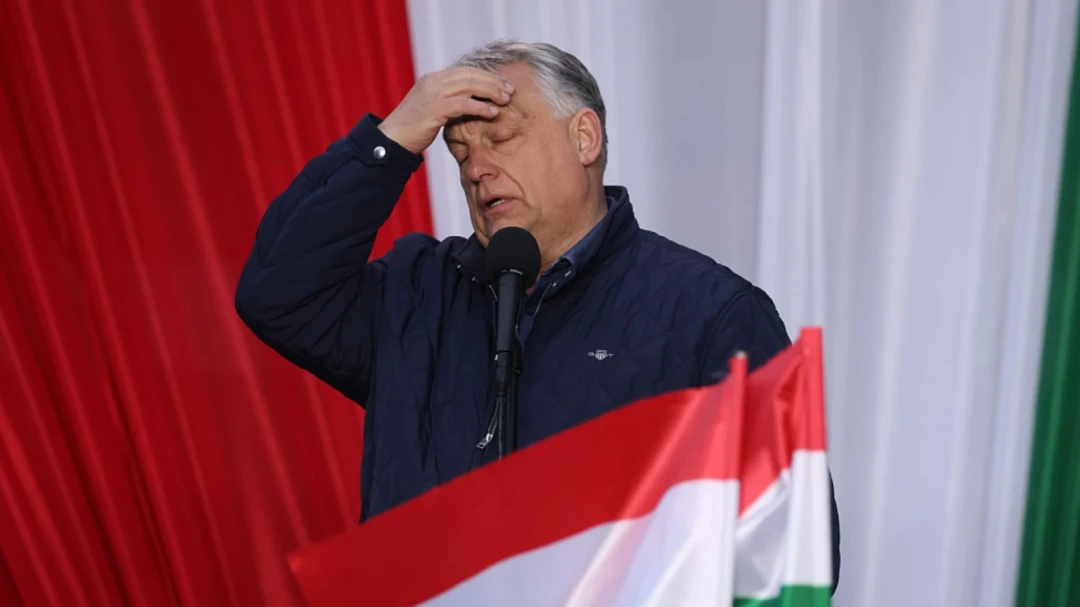
A parliamentary election in Hungary on Sunday brought an end to the rule of Prime Minister Viktor Orbán, who has been in power since 2010 and previously served from 1998 to 2002. His Fidesz party secured 37.8% of the vote, losing against opposition leader Péter Magyar, whose Tisza party won 54.4% and a constitutional majority in parliament.
During Orbán’s second spell in power, which lasted 16 years, Hungary became a stronghold of Euroscepticism within the European Union, with the outgoing leader openly attacking Brussels’ foreign policy and intra-bloc regulations. He was also widely seen as a Kremlin mouthpiece in Europe and a pro-Russian spoiler torpedoing key joint EU decisions.
Orbán developed a strong partnership with Azerbaijan, deepening ties in energy and strategic cooperation. It was also during his rule that diplomatic relations between Budapest and Armenia were severed for more than ten years.
Relations with Azerbaijan
Under Viktor Orbán, Hungary has been positioning itself as a supporter of Azerbaijani gas supplies to Europe as part of diversification efforts away from Russia. Budapest also deepened political ties with Baku through its engagement with the Organization of Turkic States, where Hungary holds observer status – despite the Hungarian language belonging to the Uralic family rather than Turkic.
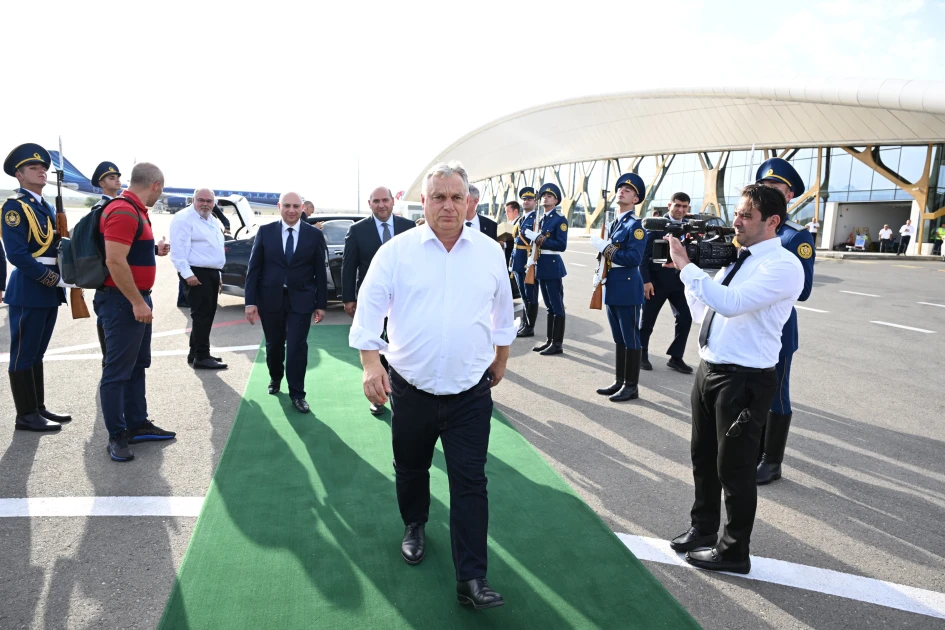
Orbán further underscored this partnership with a visit to Shushi in Karabakh in 2024. He was one of the few European leaders to travel to the area after it came under Azerbaijani control following the 2020 war, a move widely viewed as a symbolic endorsement of Baku’s actions.
"Friendship between Azerbaijan and Hungary is not only gas friendship, we have brotherly relations between us, we are brother countries," Orbán said in November 2023, weeks after 100,000 Armenians fled Nagorno-Karabakh after a nine-month blockade and a military offensive by Azerbaijan that resulted in a complete depopulation of the region.
The case of Ramil Safarov
By contrast, relations between Armenia and Hungary under Orbán took a sharply different trajectory and were marked early on by a major diplomatic scandal, in which Azerbaijan was also directly involved.
In 2004, Azerbaijani military officer Ramil Safarov murdered Armenian serviceman Gurgen Margaryan in his sleep with an axe during a NATO English-language training program in Budapest. Under the previous Hungarian administration, Safarov was sentenced to life imprisonment in 2006.
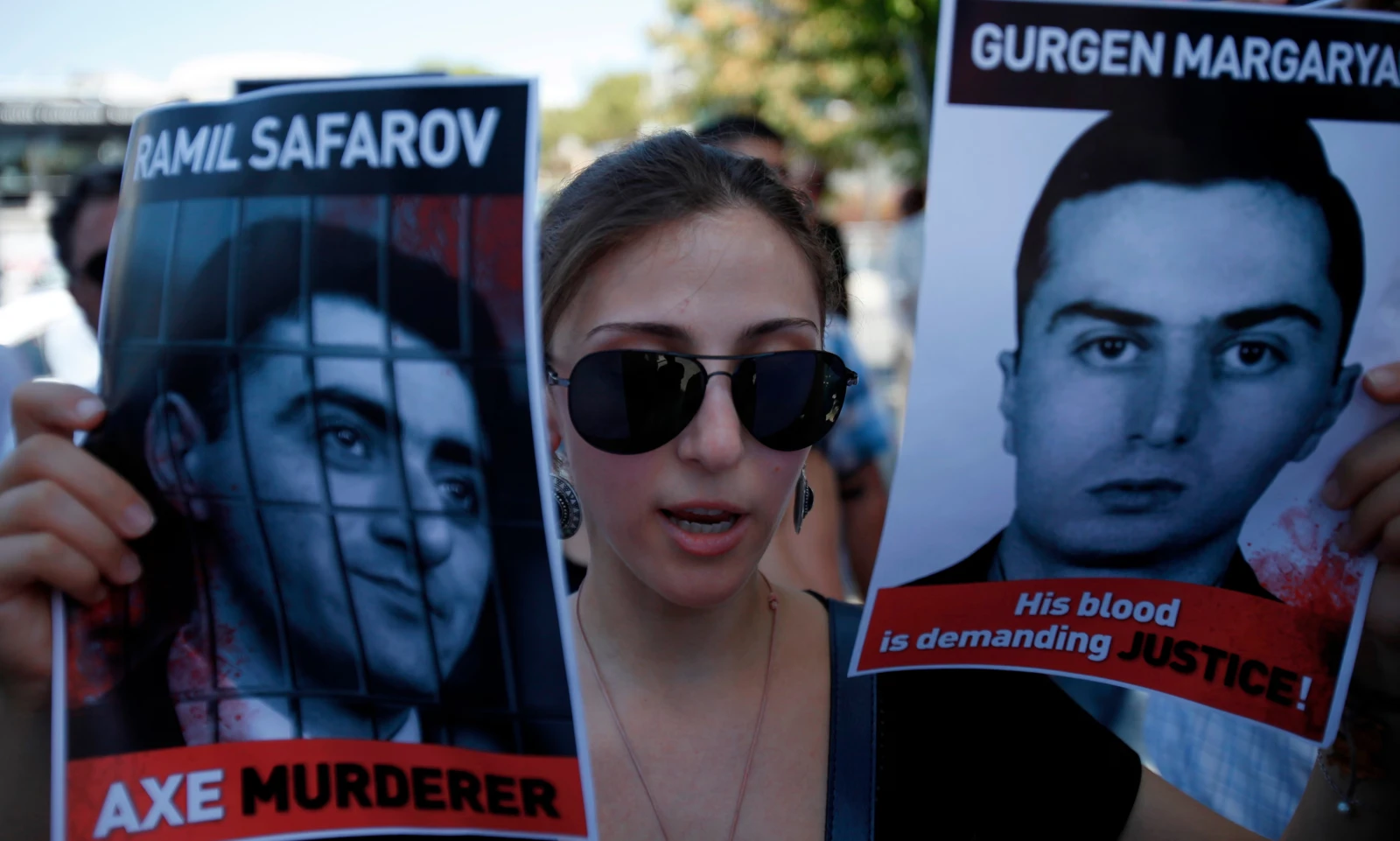
However, in 2012, during Orbán’s government, Hungary extradited Safarov to Azerbaijan on the declared understanding that he would continue serving his sentence there. Instead, upon arrival in Baku, Safarov was immediately pardoned by President Ilham Aliyev, received a hero’s welcome, and was subsequently promoted in rank.
The extradition triggered widespread international condemnation, including from the United States. Armenia severed diplomatic relations with Hungary after what Yerevan viewed as a deliberate and politically compromised decision.
Also read: $7 Million Payment Tied to Hungary’s Extradition of Azerbaijani Axe-Murderer
Relations were restored in late 2022 as part of Armenia’s wider diplomatic re-engagement efforts. The embassies, however, have not yet been reopened, and bilateral contacts remain limited.
Undermining EU cooperation
The Orbán government’s unfriendly policy toward Armenia was also reflected in its repeated obstruction of EU–Armenia defense cooperation. In both 2024 and 2025, Hungary blocked for months the allocation of tens of millions of dollars in assistance to Armenia’s armed forces under the European Peace Facility. That mechanism aims to support peace and security efforts globally by funding non-lethal military aid, including training, equipment, and infrastructure for partner countries.
Also read: EU approves $24M worth of military aid for Armenia, sources suggest
According to media reports, Hungary conditioned its approval on extending similar support to Azerbaijan despite the fact Baku had not even applied for the program. A compromise was eventually reached after the EU agreed to fund demining activities in Azerbaijan through a separate track.
Hungary’s actions reinforced a perception in Armenia that Budapest was openly lobbying for Azerbaijan within the EU, particularly because the obstruction occurred after diplomatic relations between Yerevan and Budapest had been formally restored.
How Péter Magyar’s new government pursues relations with Armenia and Azerbaijan remains to be seen. Although Magyar is widely seen as a right-wing politician, he campaigned on a pro-European and anti-corruption platform, which could mark a reversal of Orbán’s domestic and foreign policy approach.




 Stories