 Alexander Pracht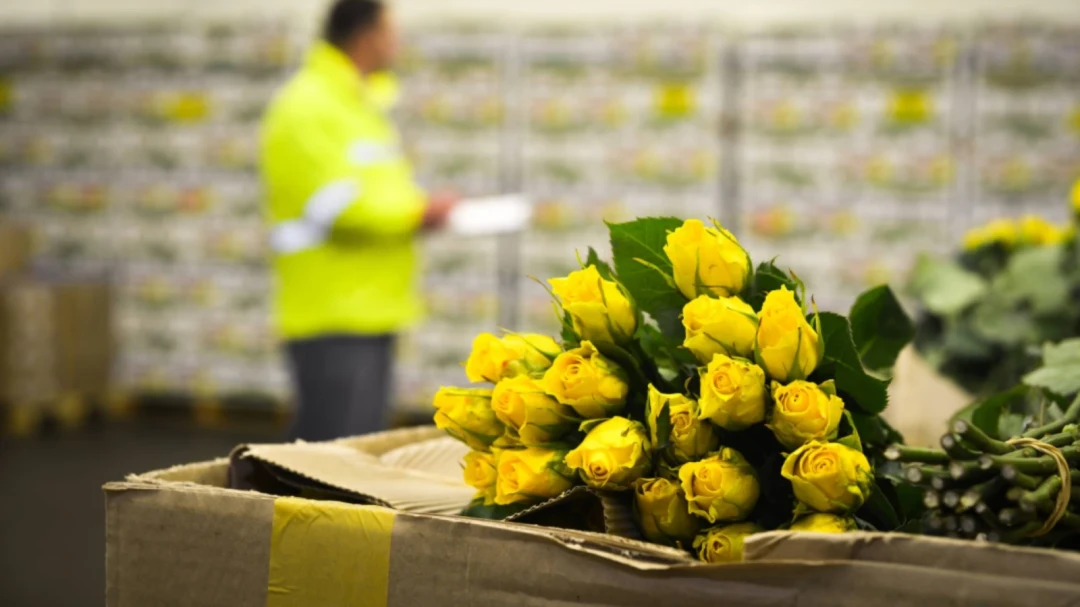
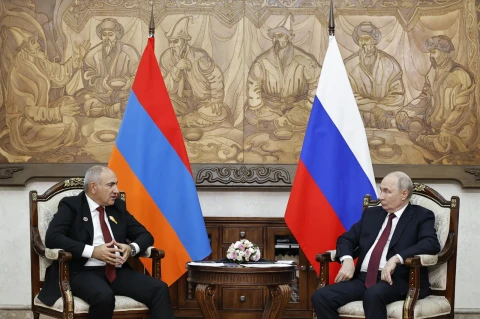
Russia has intensified economic pressure on Armenia in the run-up to the nationwide elections scheduled for June 7, targeting key sectors of bilateral trade as relations between the two countries continue to deteriorate.
Since the previous parliamentary election in 2021, the regional landscape has shifted significantly. Russia’s full-scale invasion of Ukraine in 2022, its failure to respond to Azerbaijan’s incursions into Armenia’s internationally recognized territory that same year, and its inaction during the 2023 ethnic cleansing of Armenians in Nagorno-Karabakh, despite deploying peacekeepers there, have strained trust in Moscow as a security partner.
Broader political strain in bilateral relationships and Russia’s growing economic isolation have added momentum to Armenia’s efforts to diversify its foreign policy and economic partnerships. The ruling Civil Contract party’s platform for the upcoming election no longer frames the country as reliant on Russia, instead emphasizing closer engagement with the European Union.
Russia has pushed back against this shift. While its political and security presence in Armenia has weakened, it remains the country’s largest trading partner by a wide margin, accounting for roughly 37% of total foreign trade.
In recent weeks, Moscow has imposed a series of restrictions affecting several of Armenia’s key export sectors, a tactic it has previously used against other countries following complications in bilateral relations. Similar measures were introduced against Georgia in the mid-2000s during its pro-Western pivot, Ukraine after the 2014 crisis, and at various points against Poland, Turkey, and Moldova, among others. The pattern is typically the same: products, mainly agricultural imports, are suddenly deemed unsafe or in violation of phytosanitary standards, often resulting in entire harvests being discarded due to a lack of alternative markets.
Armenia is particularly vulnerable to such measures, given its heavy reliance on agricultural exports and beverage production. These sectors employ hundreds of thousands of people, meaning that restrictions imposed by Russia have a significant economic impact, often affecting financially vulnerable workers in rural communities.
Mineral water
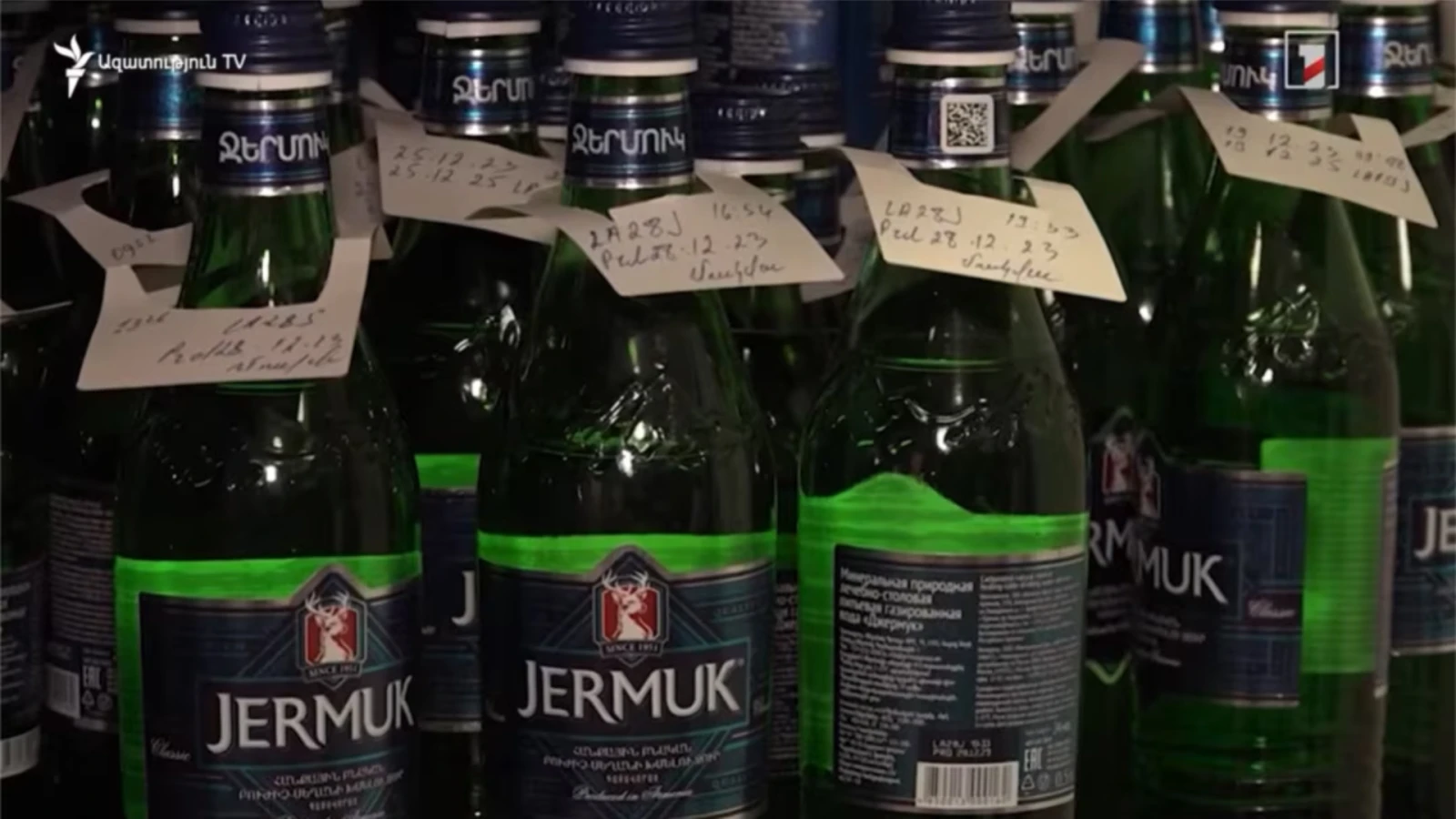
Jermuk mineral water is one of Armenia’s most recognizable trademarks. Produced in the spa town of the same name, it is exported overseas, including to North America and Europe, and was, until recently, sold in almost every supermarket chain in Russia, as well as in grocery stores owned by Armenians, which are numerous in every Russian city.
A well-known brand, it has been popular in the country for many decades, but now Russia considers it unsafe. Following earlier reports of bans on major batches, a complete temporary ban was announced last week, affecting tens of millions of bottles, with authorities claiming they contain excessive levels of hydrocarbons, chlorine, and sulfates.
Flowers
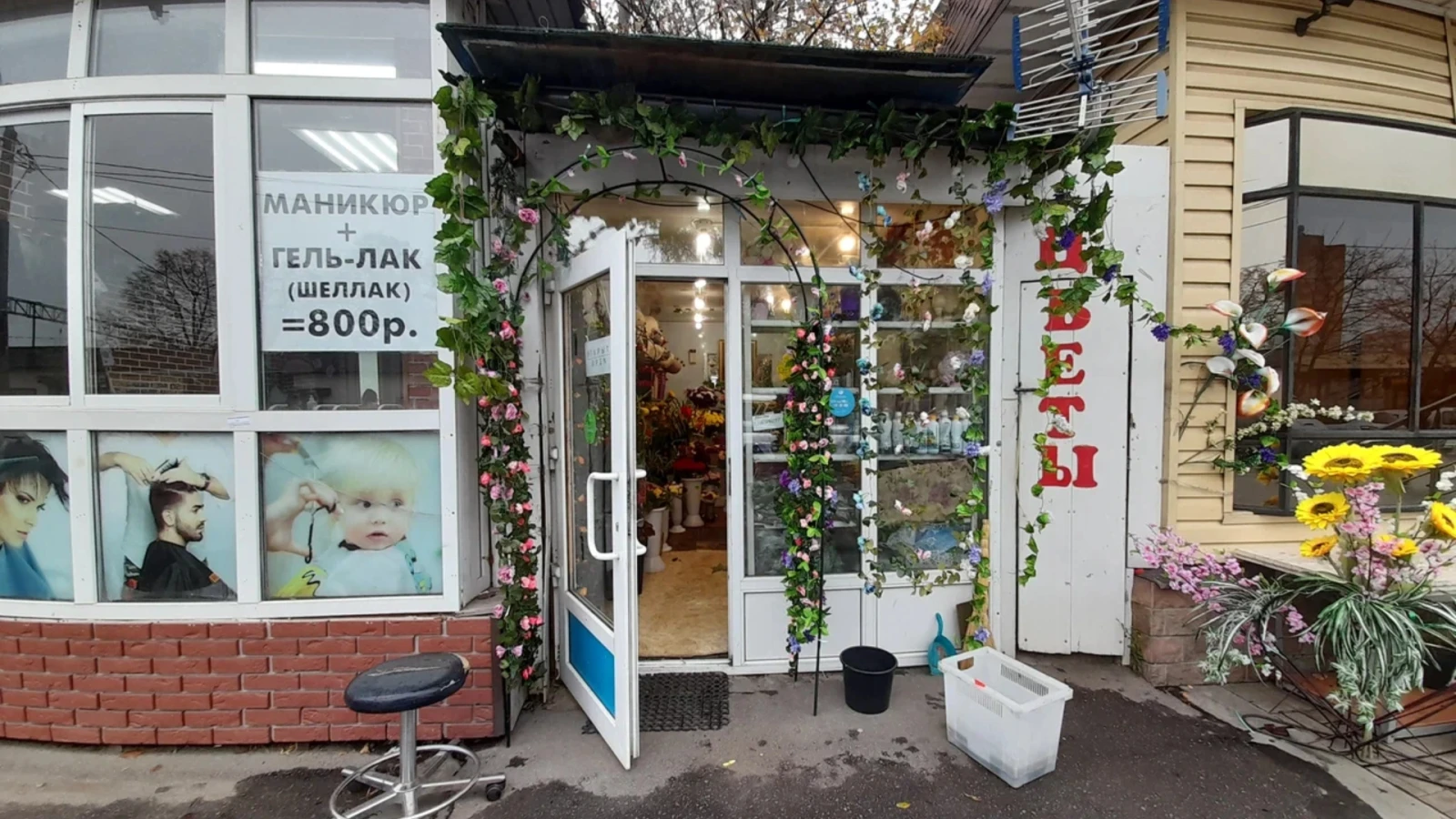
Last month, Russia’s phytosanitary watchdog Rosselkhoznadzor banned imports of all flowers from Armenia.
“The decision aims to protect Russia’s phytosanitary well-being and its export potential,” the body said in a statement. Armenia is Russia’s second-largest flower supplier after Dutch-origin imports, in an industry that exported around $50 million worth of flower products last year, almost entirely to Russia.
Speaking to Russian state news agency TASS after the restriction was announced, Russia’s leading flower seller Flowwow said the ban would almost certainly lead to “localized shortages of certain varieties and moderate price increases,” especially in roses – in a country where routinely gifting flowers to women, regardless of romantic interest, is deeply ingrained in the culture.
Fruits and vegetables
Last Saturday, Rosselkhoznadzor banned imports of Armenian tomatoes, cucumbers, bell peppers, greens, and strawberries.
“The decision was made in connection with an increased number of violations in the supply of Armenian fruit and vegetable products to Russia and in order to ensure phytosanitary well-being. The current situation poses a threat to the phytosanitary condition of our country,” the body said in a statement.
It specifically noted that the move followed an inspection by its representatives of Armenian greenhouses where the produce is grown. Many Armenian producers voluntarily open their facilities to Russian inspectors in an effort to avoid restrictions, though in practice this often provides additional pretexts instead.
Almost all of Armenia’s vegetable exports are destined for Russia and amounted to more than $142 million last year. With the future now uncertain, the entire industry is in limbo — although Armenia continues, for now, to supply Russia with canned vegetables.
Alcoholic beverages
In recent weeks, Moscow imposed bans on several major Armenian spirits producers, including the Proshyan Brandy Factory and the Vedi Alco winery, among others.
However, Russian restrictions have so far not affected Armenia’s top brandy trademark, Ararat, or other well-known brands.
“So far this looks more like a warning rather than major economic sanctions,” exiled Russian journalist Konstantin Krivosheev told BBC Russian Service in a podcast on Thursday.
He added, however, that the ban on Jermuk mineral water is far more significant.
“Obviously, Jermuk is Armenia’s most recognizable water brand; it has no real competitor. So the decision [to ban it] is symbolic,” he said.
Fish
Russian bans have also targeted Armenian freshwater fish. In an announcement on Friday, Rosselkhoznadzor said that only two Armenian fish producers passed an inspection by its representatives, while noting that around half of the firms refused to admit inspectors.
Last year’s exports of Armenian fish to Russia, mainly trout grown in fish farms rather than natural water bodies, amounted to $72 million. As of April, Armenian supplies accounted for roughly 12% of Russia’s trout imports.
How the government reacts
Both pro-Kremlin and exiled Russian publications have already described the restrictions as a “trade war.” Meanwhile, the Armenian government insists it is capable of resolving the issue, either through dialogue with Moscow or by expanding trade with EU countries.
“We’ve discussed subsidizing transport and customs costs [for increasing exports to] the EU. [...] We have already calculated how much we would need to spend to fully redirect everything we currently export to Russia to the EU. This is a worst-case scenario, I do not think we're going to have to do that, but it is manageable,” Economy Minister Gevorg Papoyan told CivilNet in an interview on Friday.
“On matters of independence, sovereignty, and territorial integrity, there are red lines that cannot be crossed… We cannot trade our sovereignty for tomatoes,” he added.
Speaking to journalists on Monday, Papoyan also hinted that the restrictions are an attempt by Russia to exert pressure ahead of the parliamentary election.
“After the elections, we will resolve these issues very quickly,” he said.

 Stories