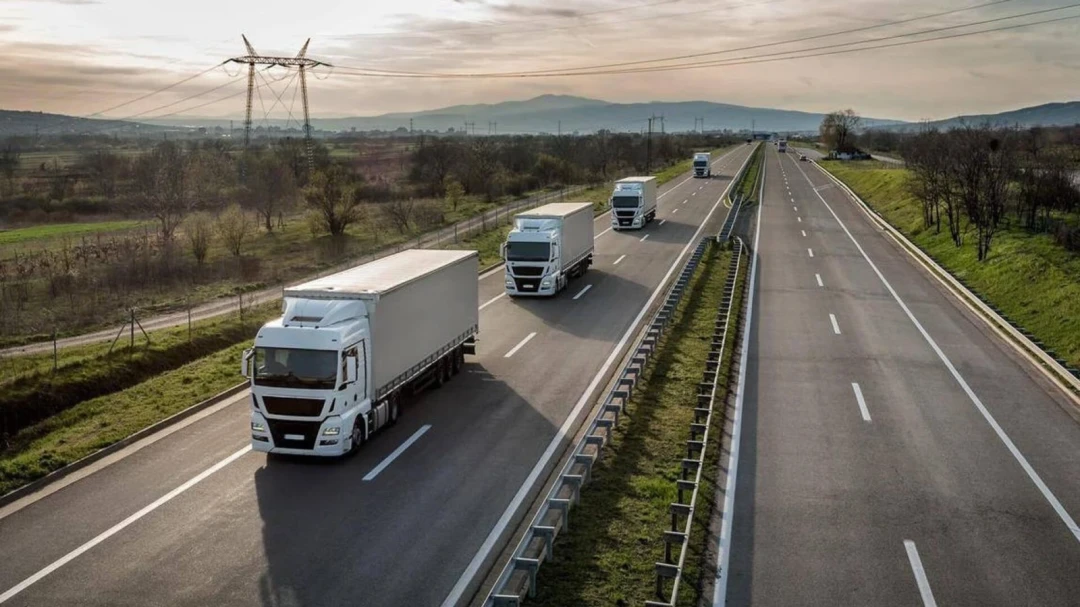
Armenia has begun exporting the first shipments of roses and vegetables to Europe and other countries, Prime Minister Nikol Pashinyan said on Monday, as tensions with Russia have been growing over trade restrictions targeting Armenian goods.
Speaking during a campaign rally in the eastern Gegharkunik province on Tuesday, Pashinyan said the shipments had already left the country and suggested that more exports would follow.
“They will arrive, and only then I will say to which countries. No goods will remain unsold,” he said.
His remarks come just after Economy Minister Gevorg Papoyan said that Armenia would expand exports to Greece, Germany and other European countries. He added that the government has introduced export support programmes aimed at reimbursing transport costs, customs duties and intellectual property-related expenses for businesses trading with the European Union and the wider region.
Papoyan also said Armenia’s exports to the EU had doubled, with plans to quadruple or even quintuple volumes by the end of the year.
The developments come against the backdrop of Russia tightening restrictions on Armenian agricultural and food products. On Tuesday, Russian authorities banned most imports of Armenian fish products, allowing only two companies to continue exporting. This follows Saturday’s restrictions by Russia’s consumer protection agency on the import of fruits and vegetables from Armenia. Measures earlier in May have already affected Armenian flowers, Jermuk mineral water, and several producers of brandy and wine.
ALSO READ: Armenia faces sweeping Russian import restrictions across industries
The trade tensions come as Russia adopts increasingly sharp rhetoric toward Yerevan ahead of Armenia’s upcoming parliamentary elections on Sunday, and has expressed displeasure with the deeper ties Pashinyan has been forging with the European Union and United States.
Russian President Vladimir Putin has said Armenia will have to choose between deeper integration with the EU or continued membership in the Russia-led Eurasian Economic Union, while Armenian officials insist there is no such immediate choice on the table.
Pashinyan has maintained that Armenia’s membership in the Russian-led Eurasian Economic Union remains in place and that no decision to leave the bloc is being considered.
Meanwhile, Russia continues to use trade measures that Armenian officials and analysts see as pressure tactics, while Moscow warns of the economic risks of Armenia’s closer engagement with the European Union.

 Stories