By Valentin Chesneau-Daumas
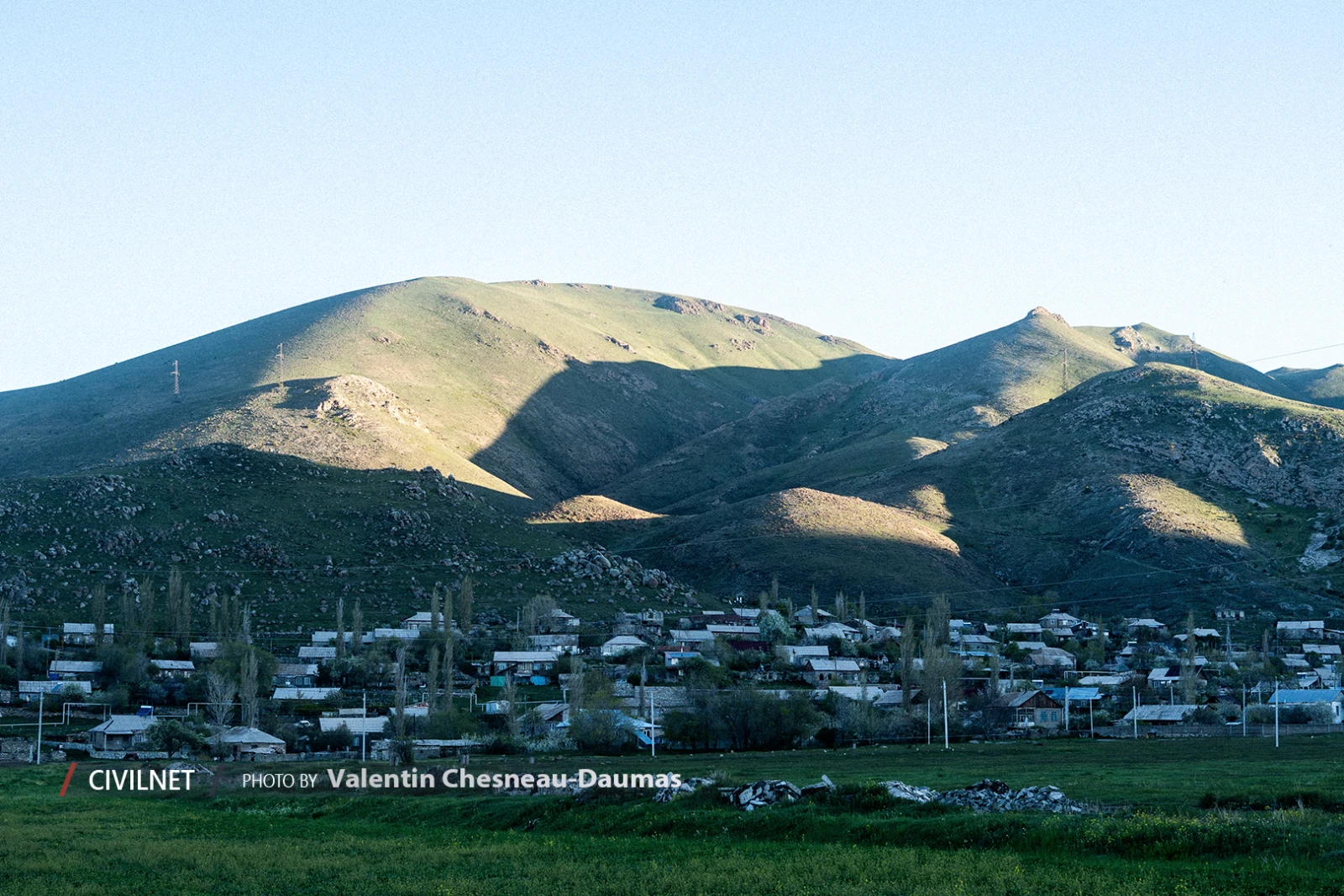
Lake Sevan occupies a unique place in Armenia's national consciousness. For many Armenians, it is more than a lake: it is a summer destination, a source of food and water, and one of the country's most recognizable landscapes. Generations have come to its shores to swim, fish, work and escape the heat of the Ararat Valley. Yet beneath this familiar image lies a lake that has undergone profound changes over the past century, reshaping both the environment and the communities that depend on it.
Twenty-eight mountain rivers and streams flow into Sevan, while only one river, the Hrazdan, flows out. The Hrazdan carries Sevan's waters toward the Araks River, irrigating the fertile Ararat Valley — Armenia's breadbasket — along its route. The outflow plays a vital ecological role, helping prevent the lake from becoming saline and preserving its freshwater character.
For nearly a century, Sevan has stood at the center of one of Armenia's most consequential environmental debates. In the 1930s, Soviet planners decided that its waters should be harnessed for hydroelectric power generation and irrigation. Over the following decades, the lake's level dropped by almost 20 meters — far less than the catastrophic 50-meter decline originally envisioned, but enough to dramatically alter the ecosystem.
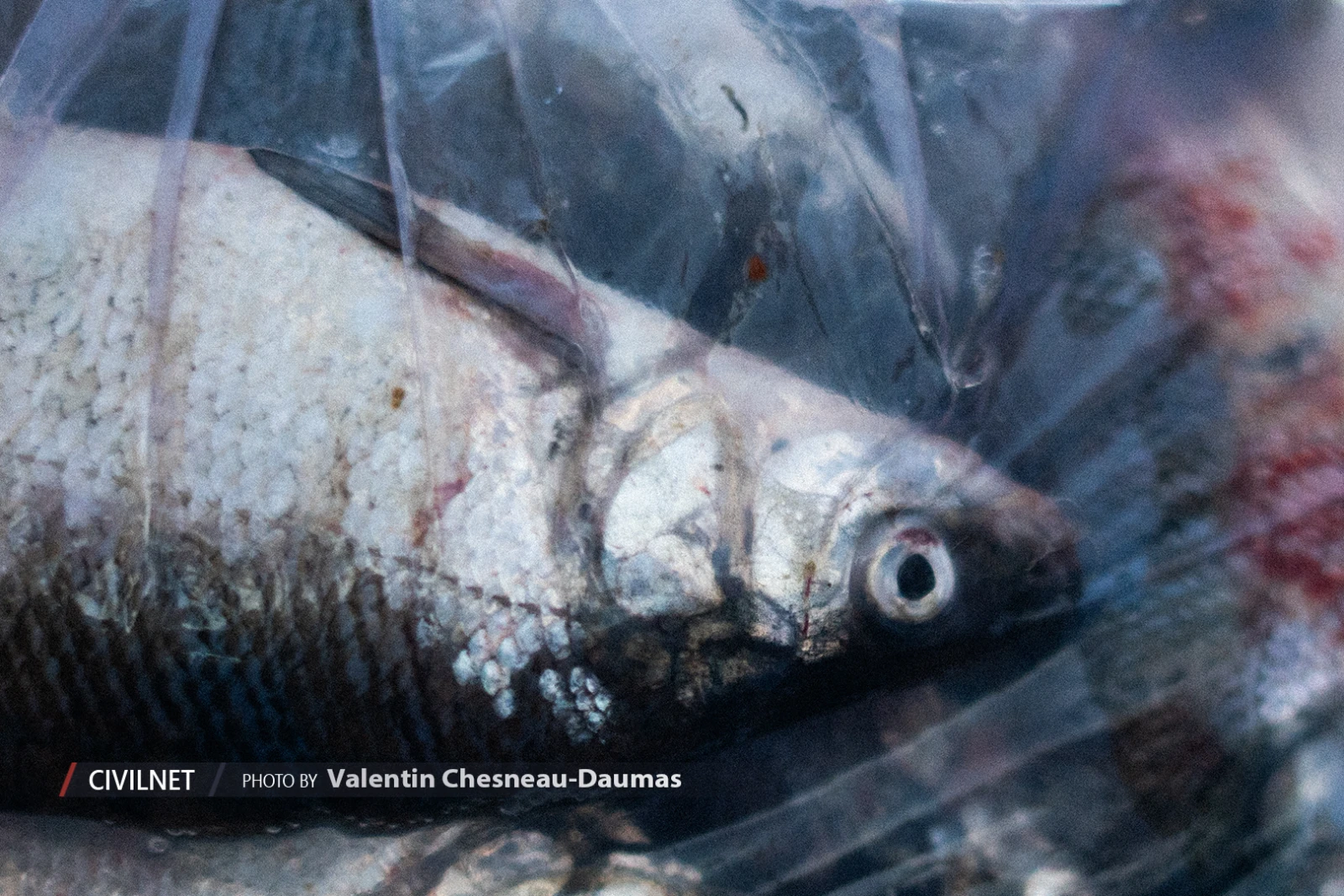

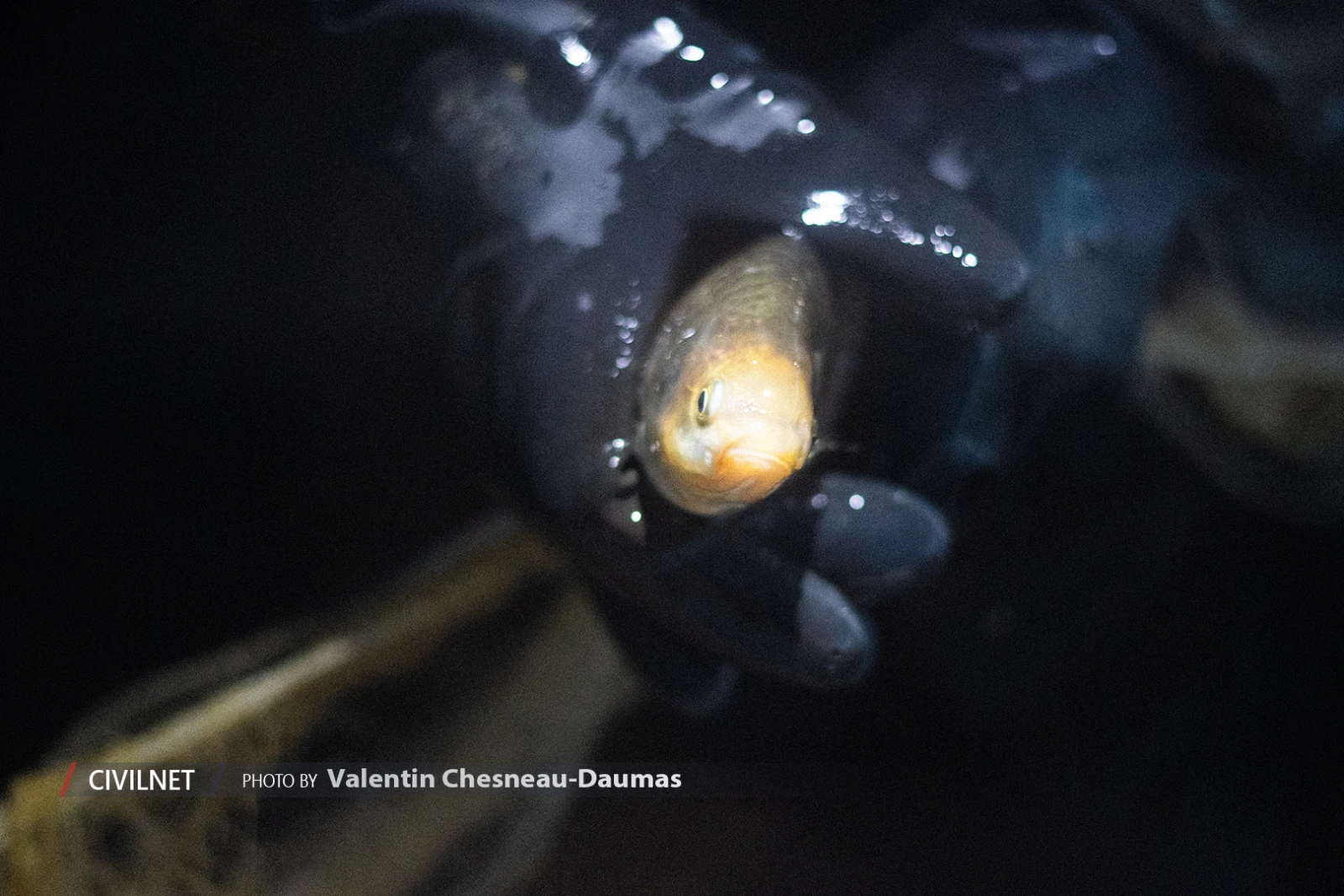
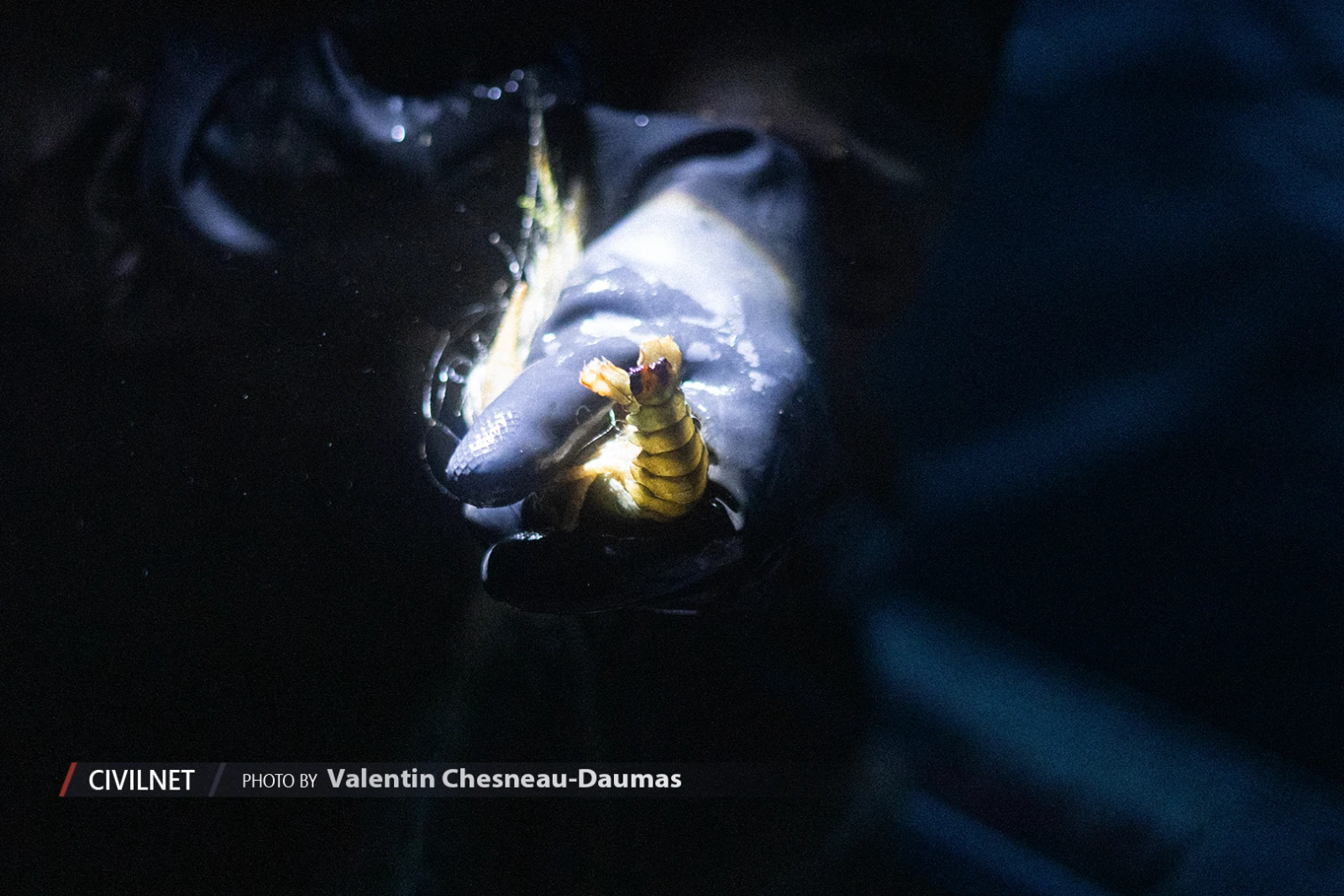
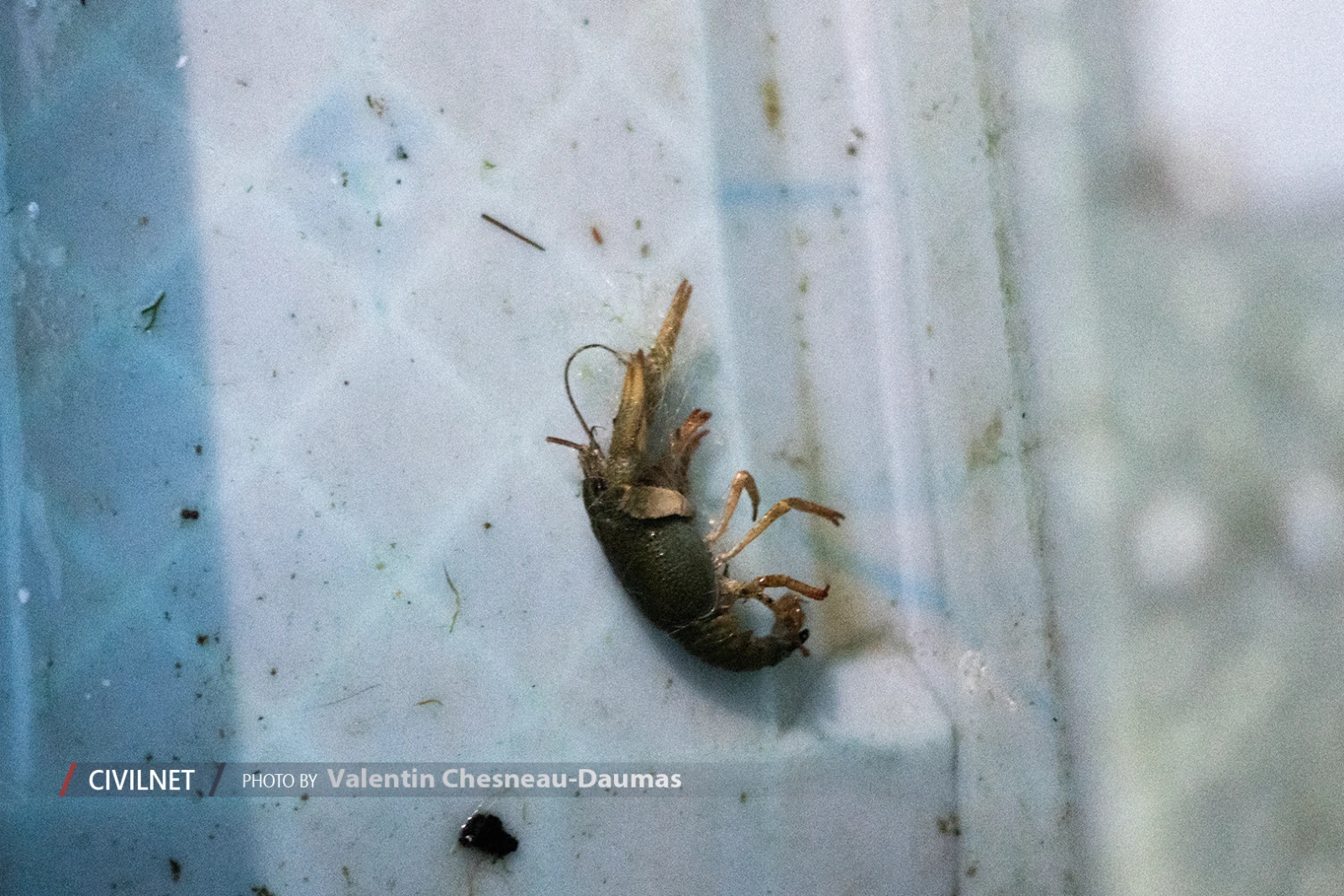
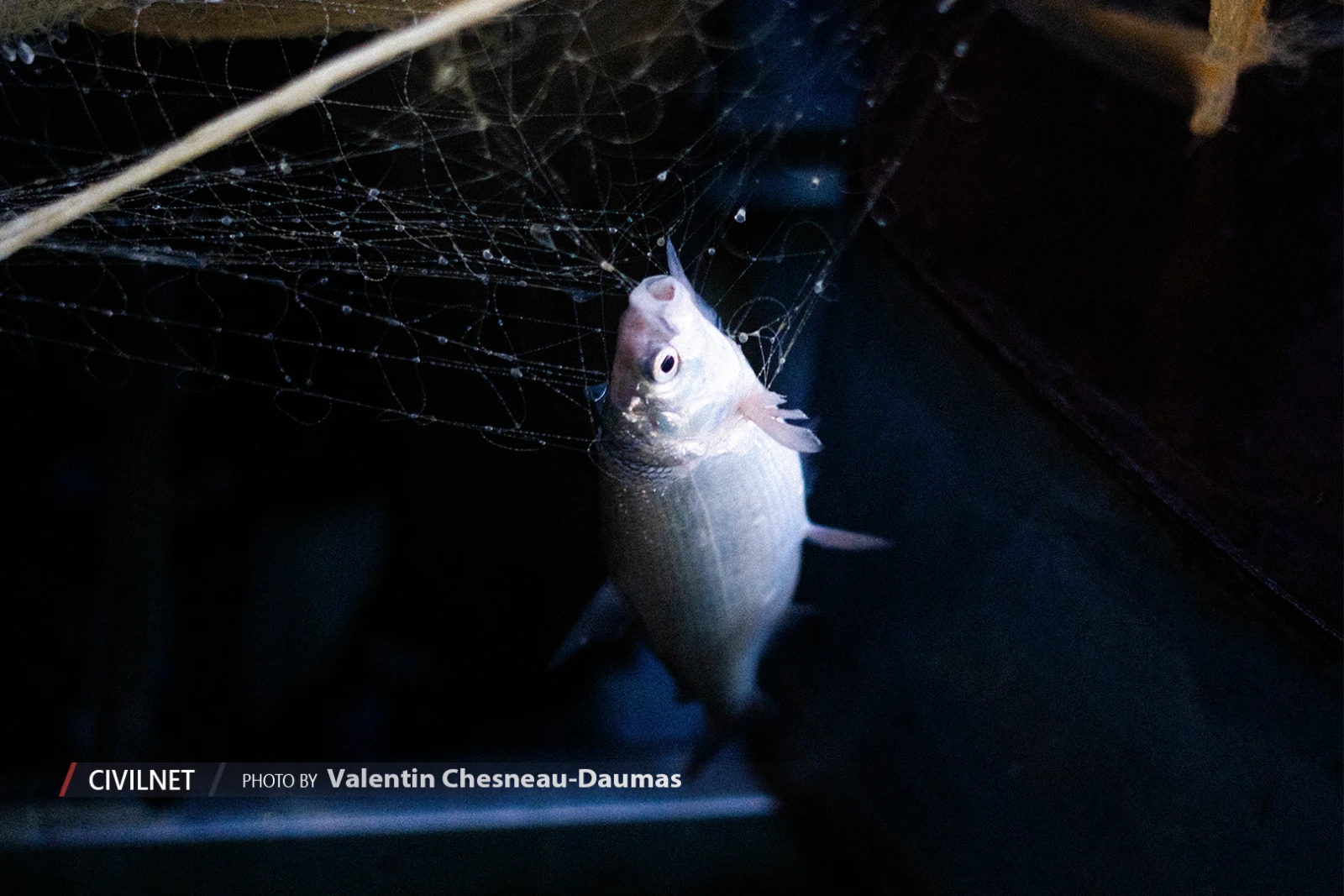
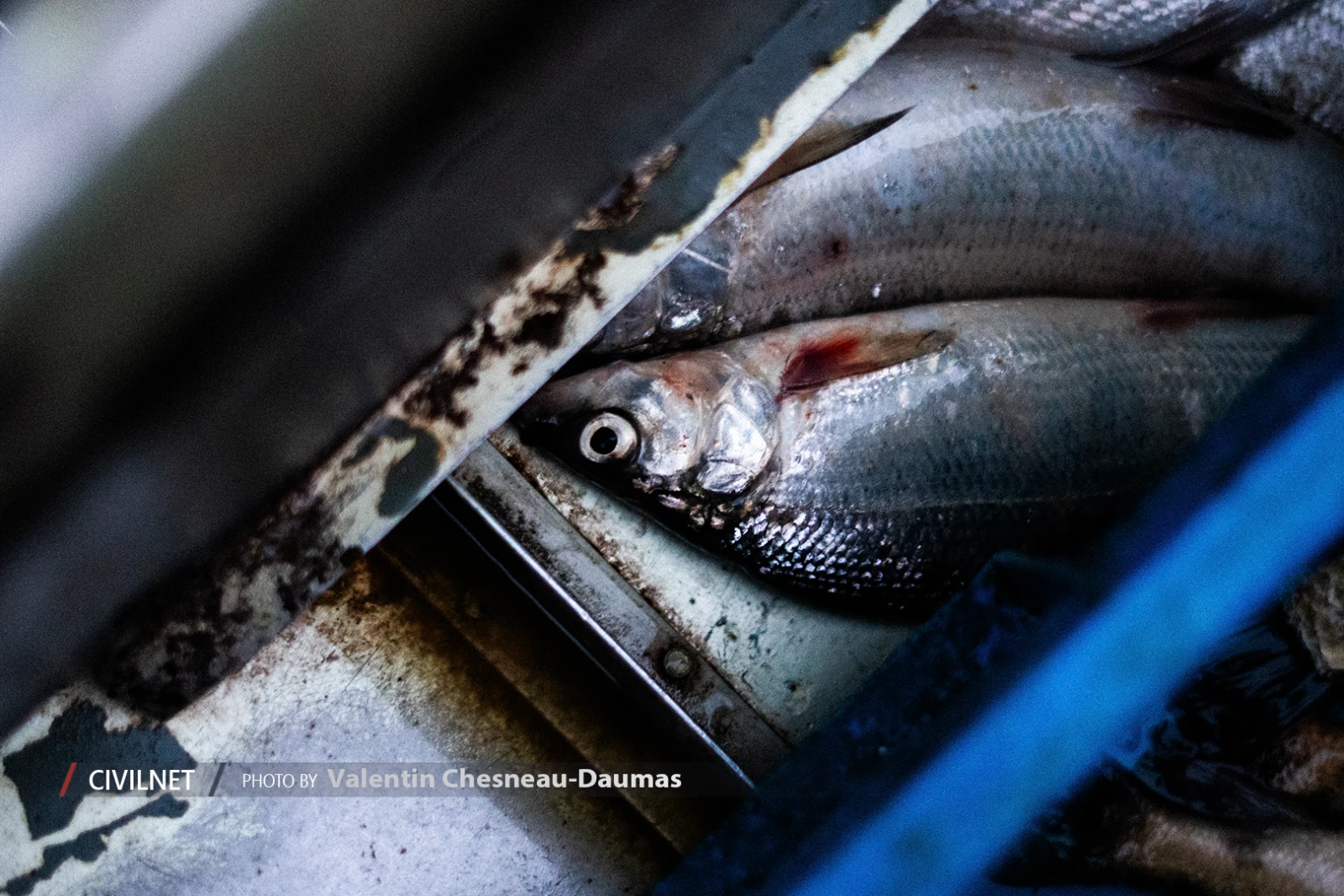

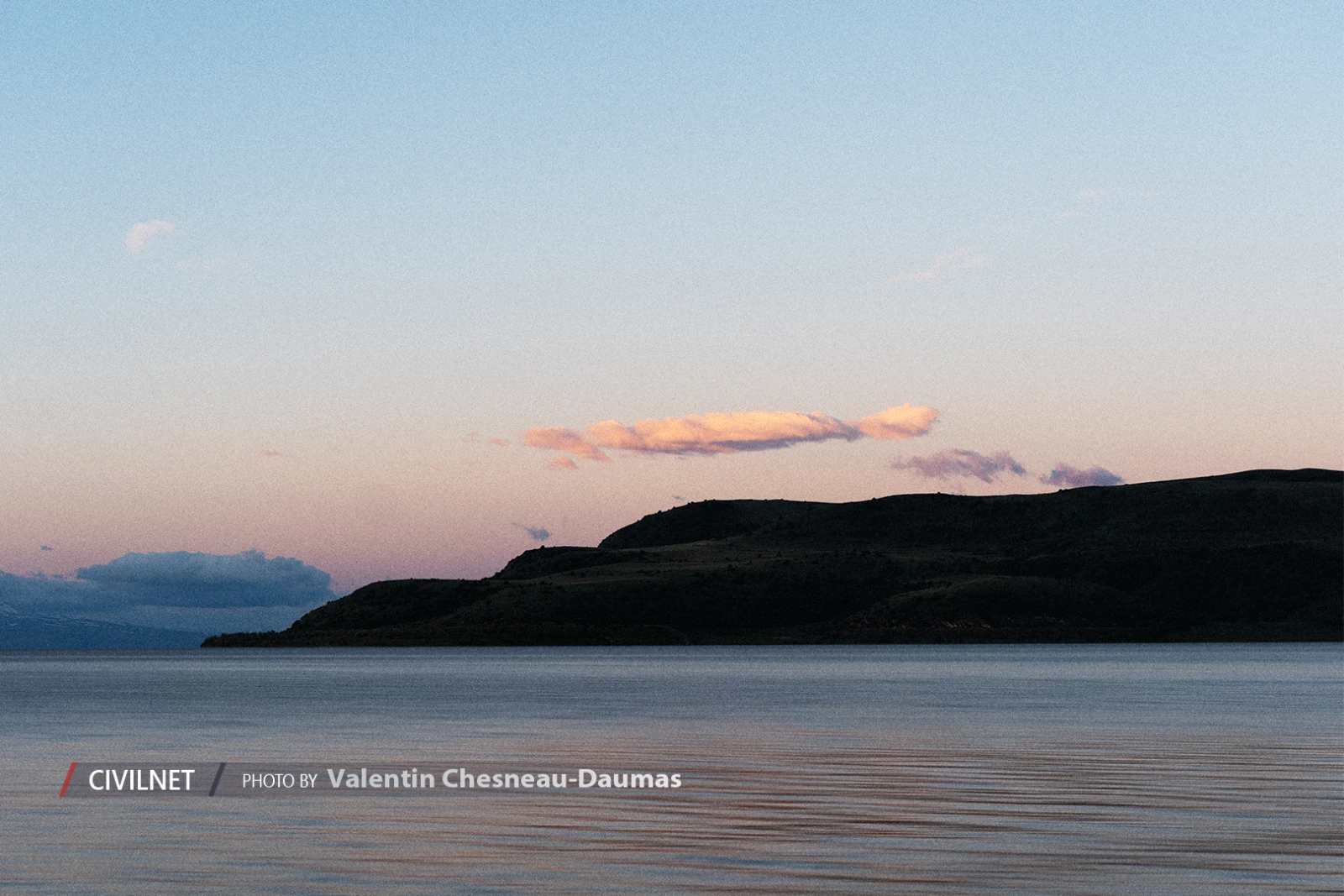
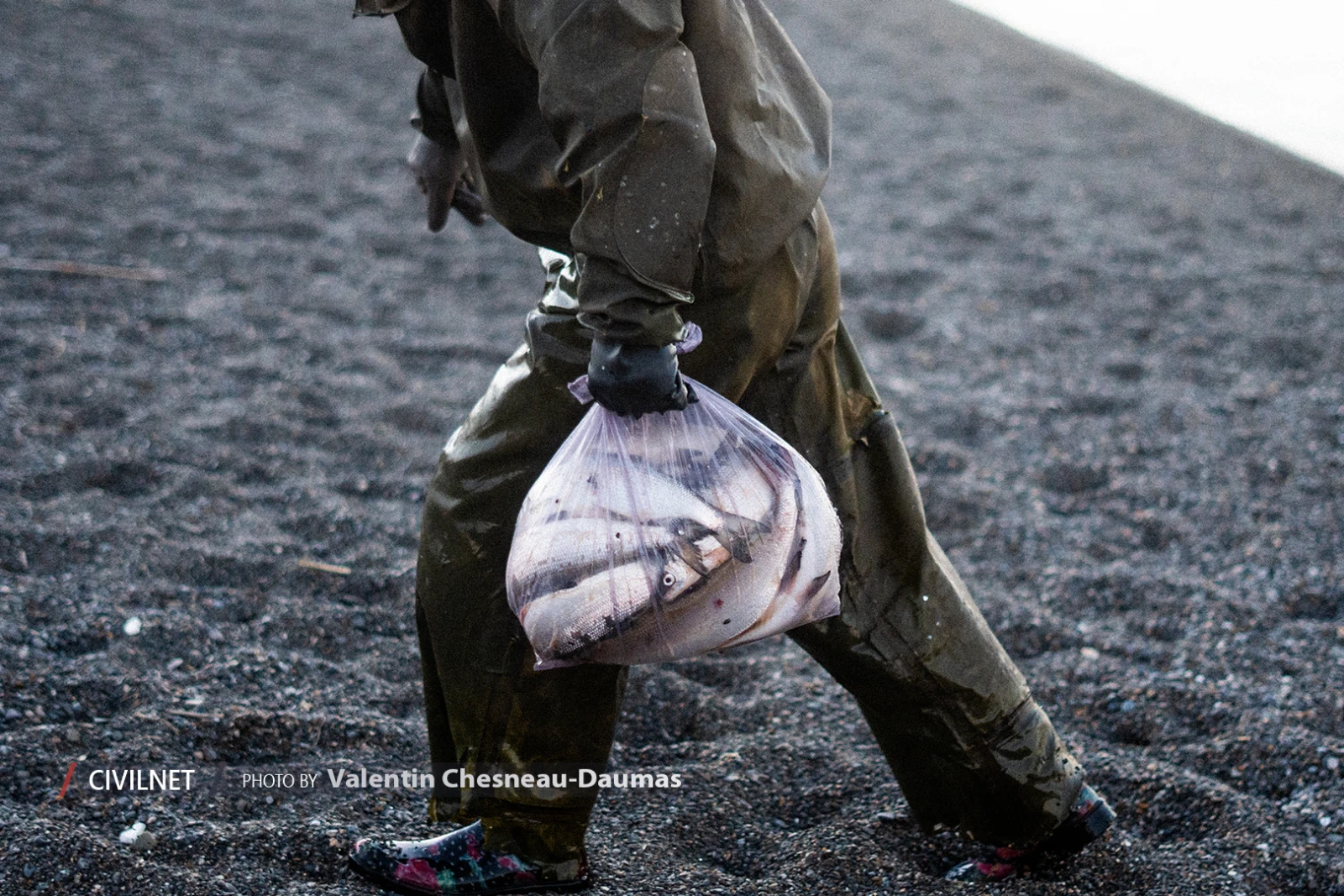
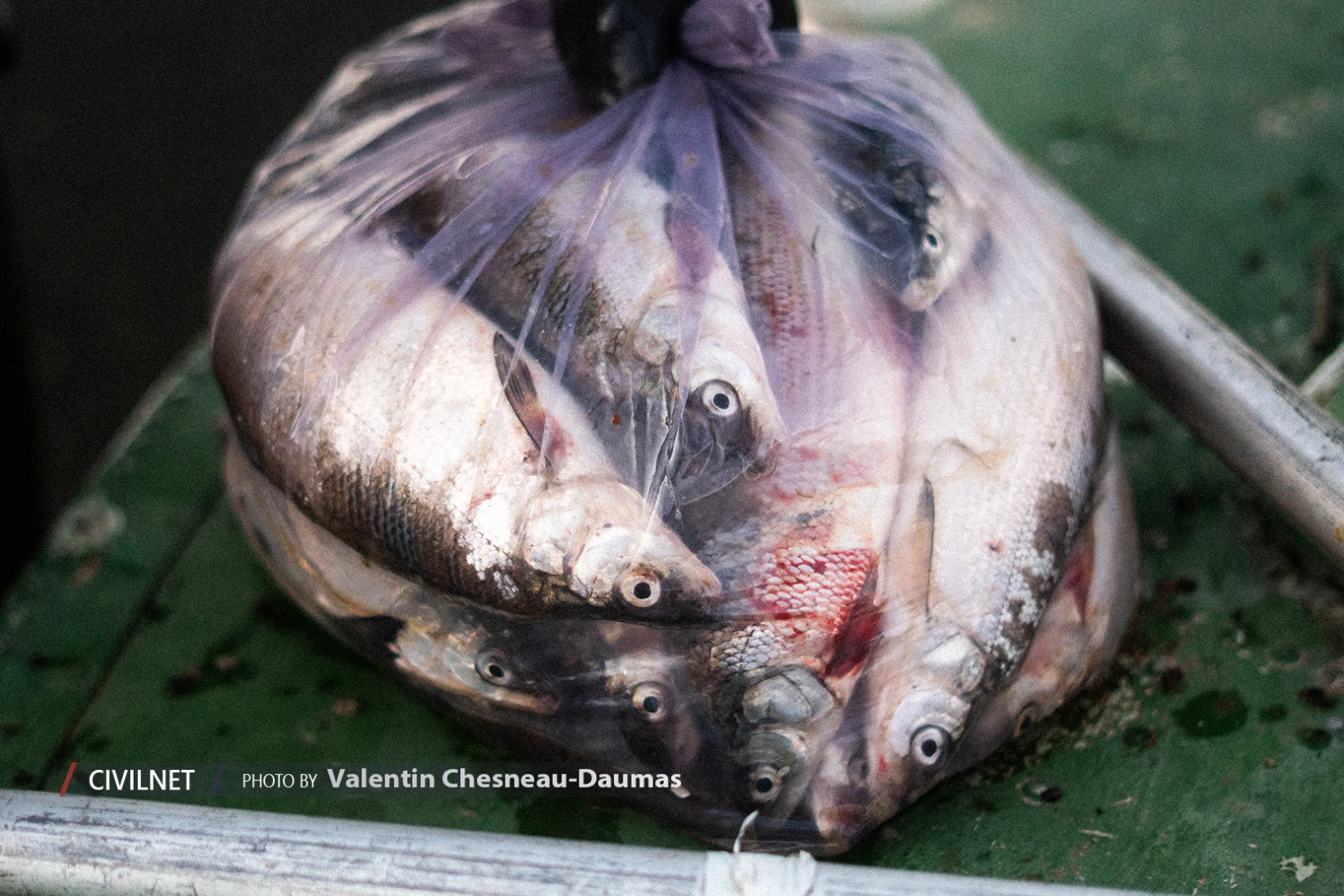
The falling waters transformed life beneath the surface. The lake's native trout — the celebrated Ishkhan, found nowhere else in the world — declined sharply as spawning grounds were disrupted and water levels receded. In its place came whitefish introduced from Russia's Lake Baikal, a species that thrived in the altered environment and gradually became the dominant commercial fish in the lake. Today, most fishermen on Sevan target whitefish, while the once-abundant Ishkhan has become a rarity. Following independence, Armenia's severe economic and energy crisis forced authorities to draw on the lake's reserves once again, placing further pressure on its fragile ecosystem.
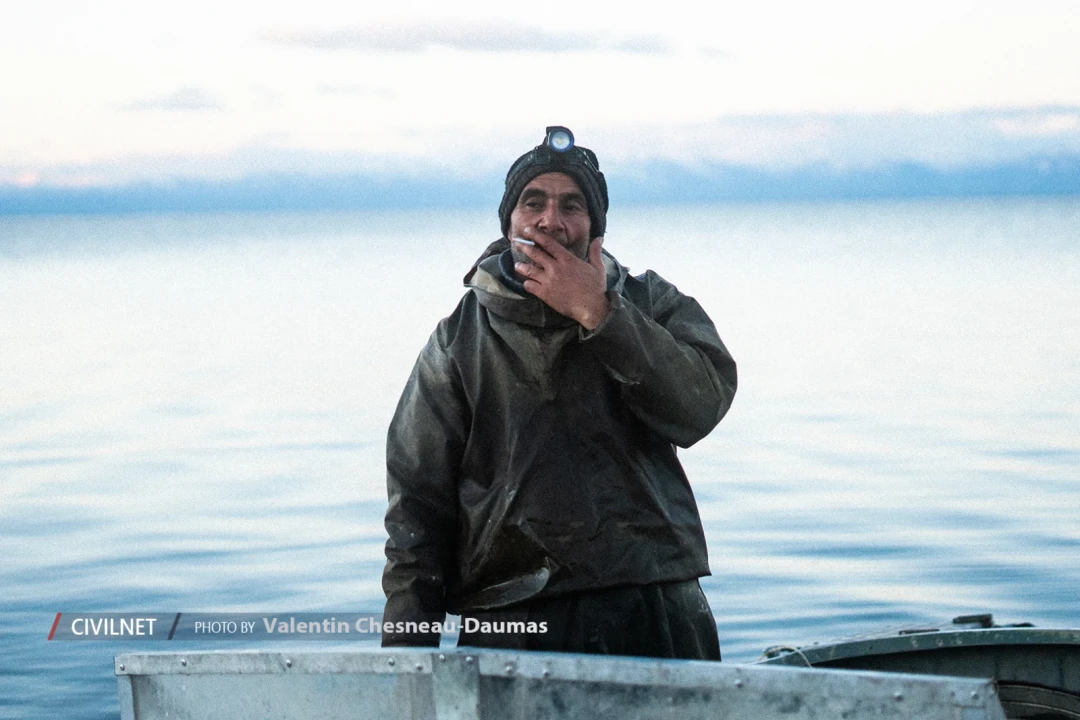
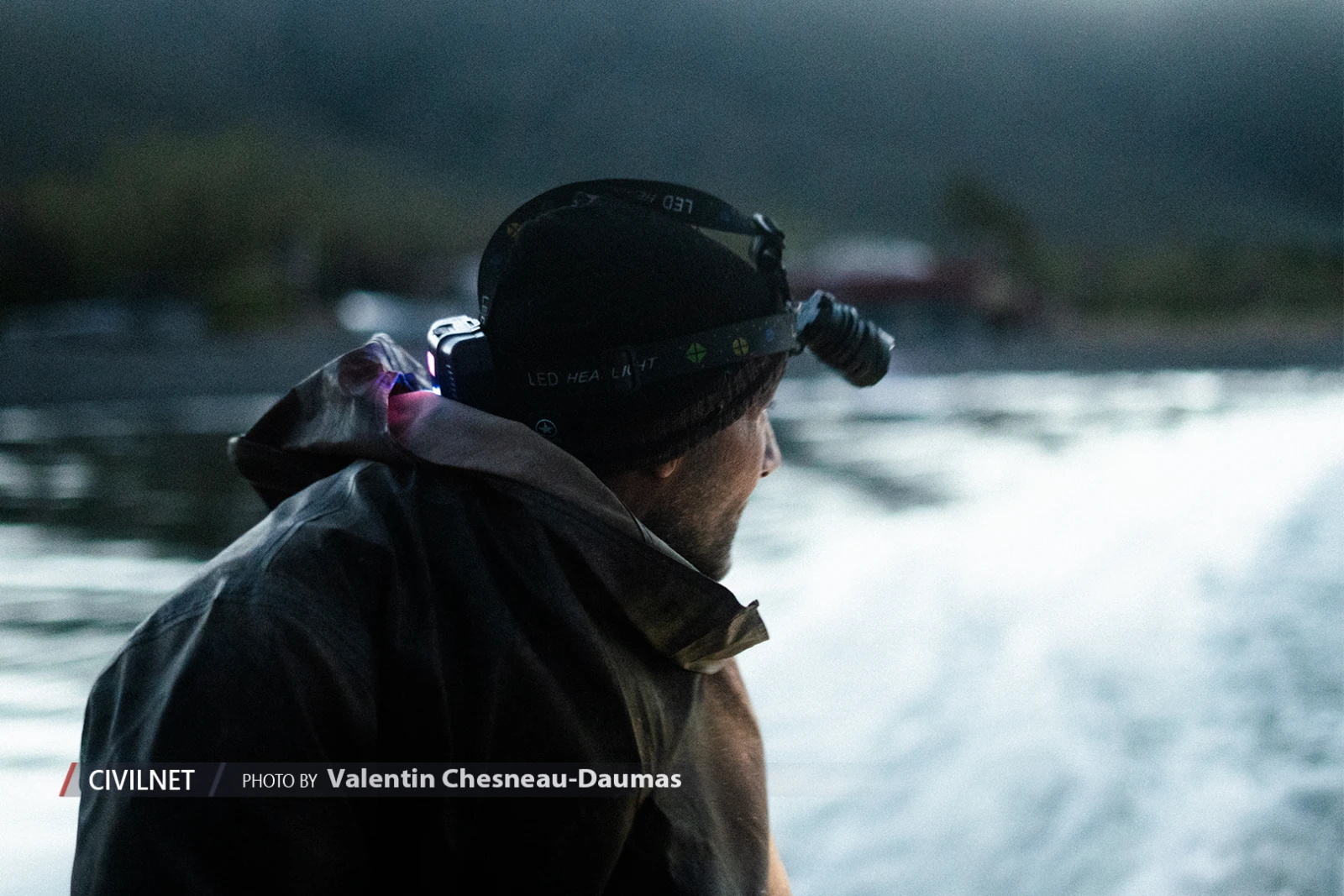
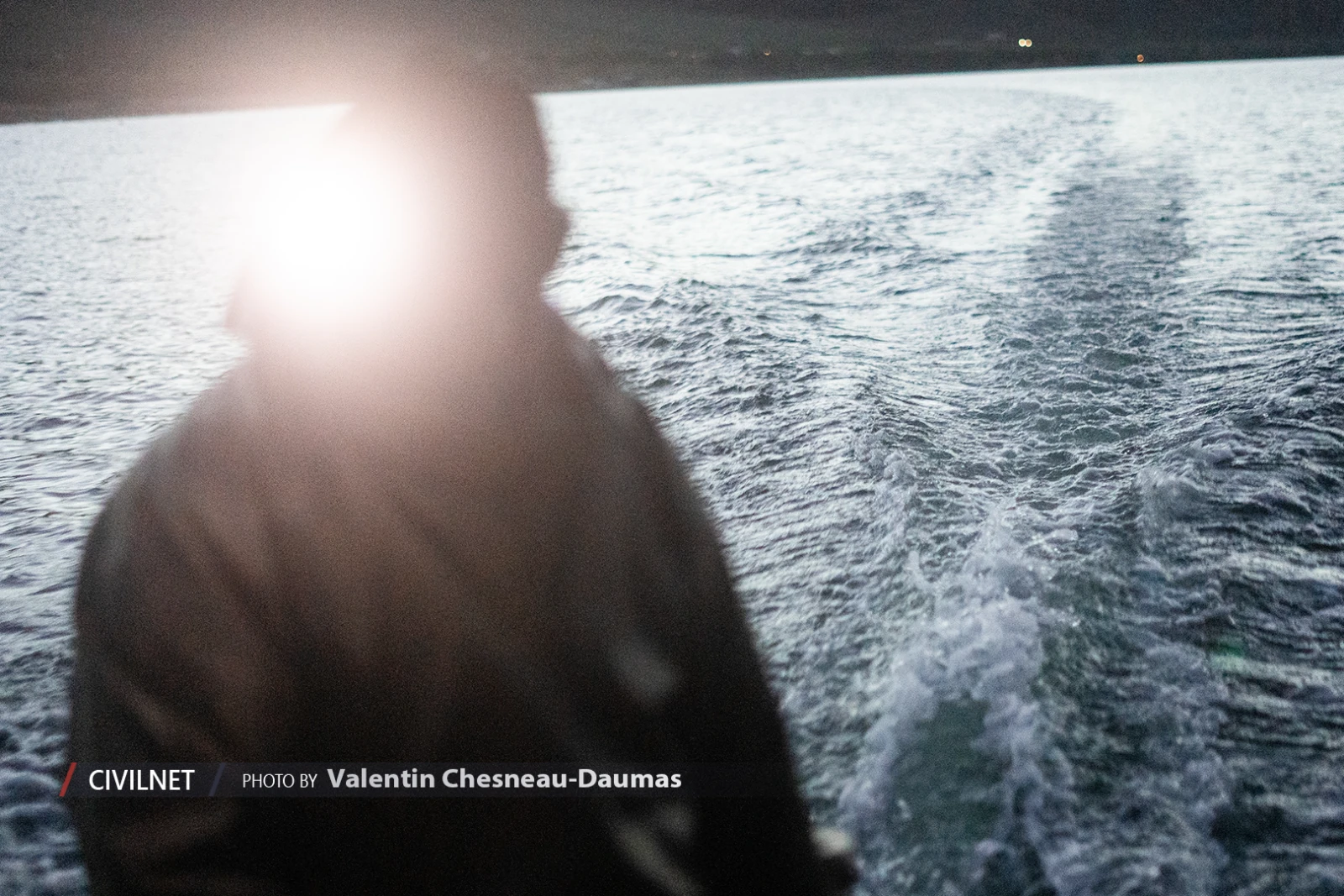
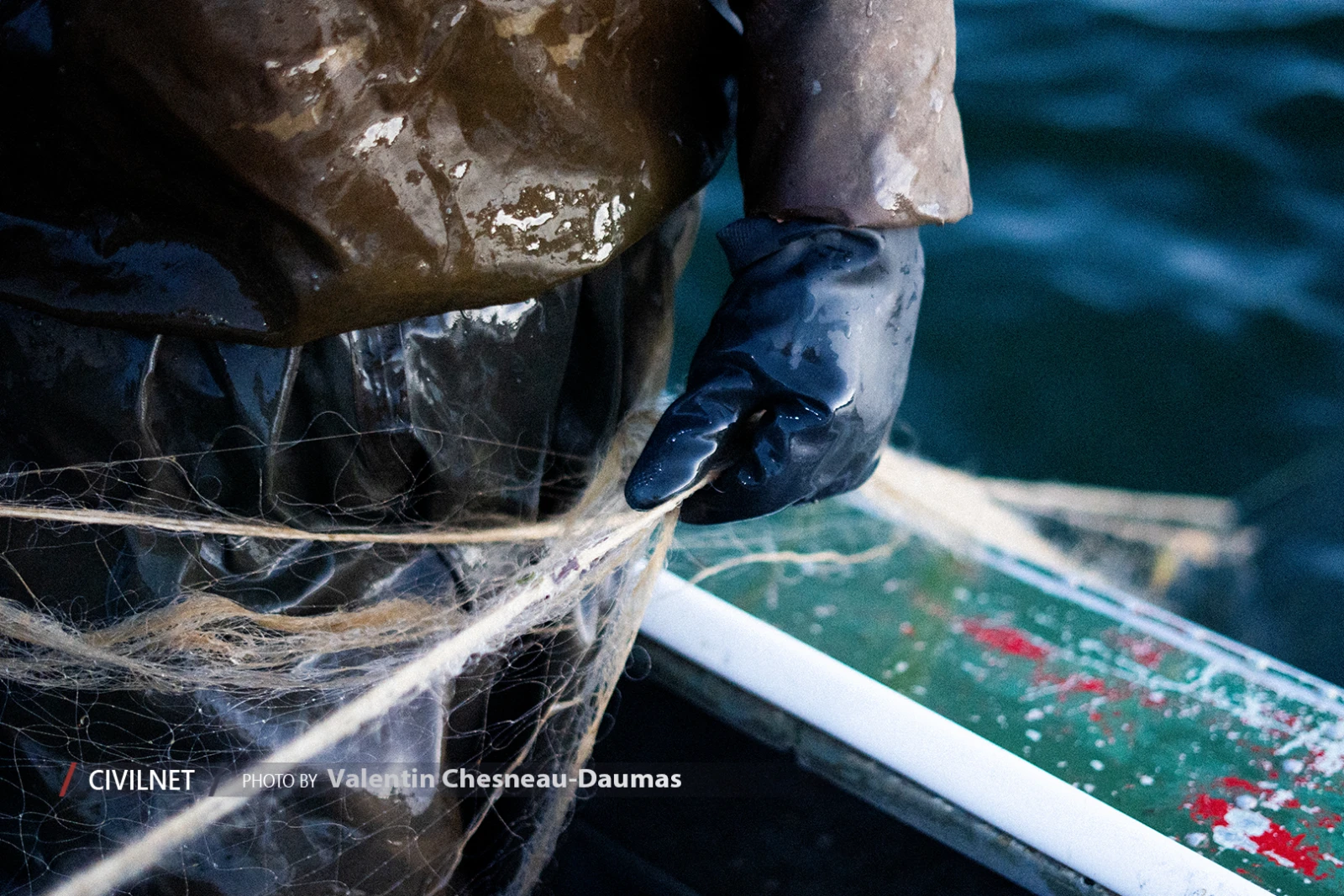
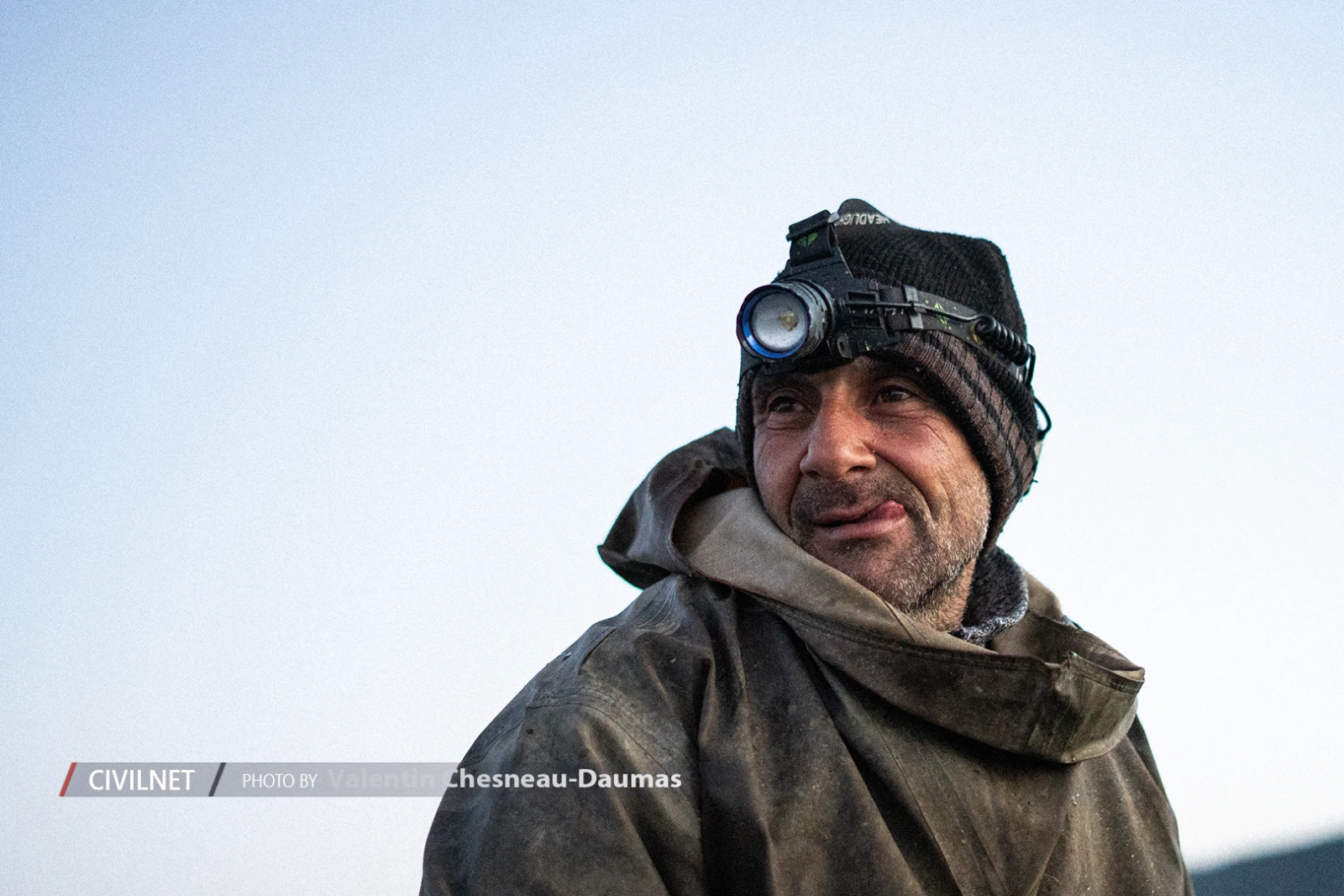
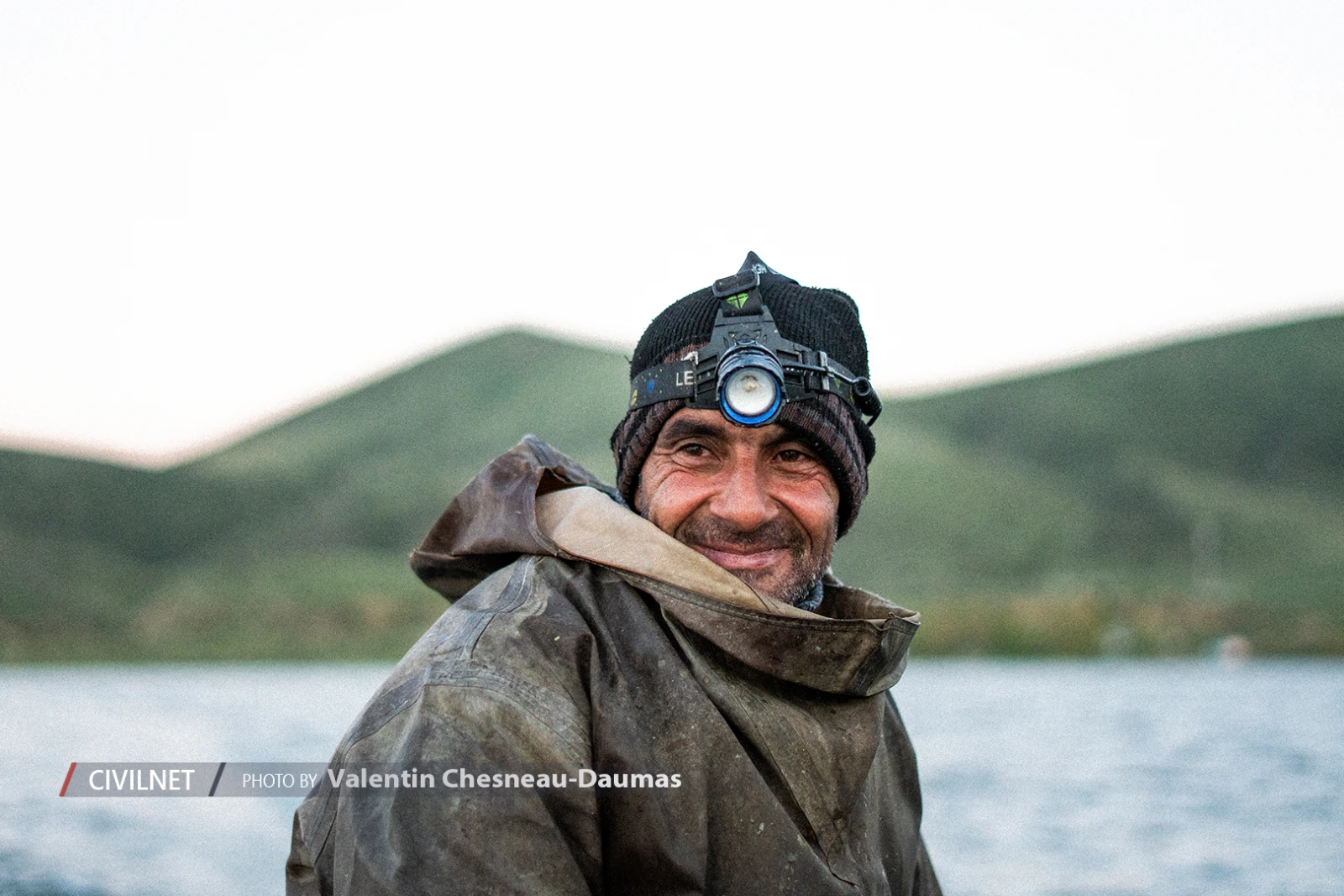
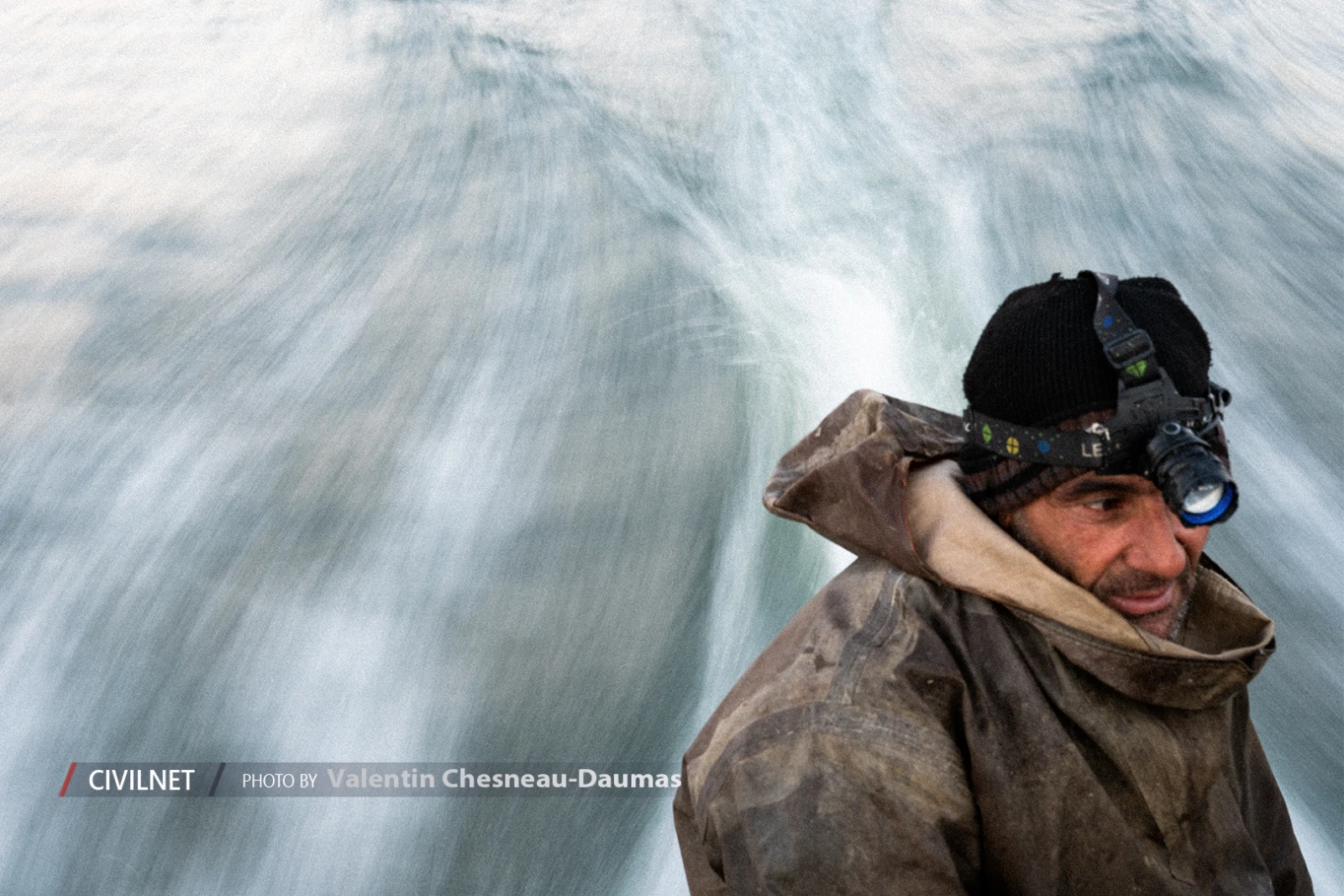
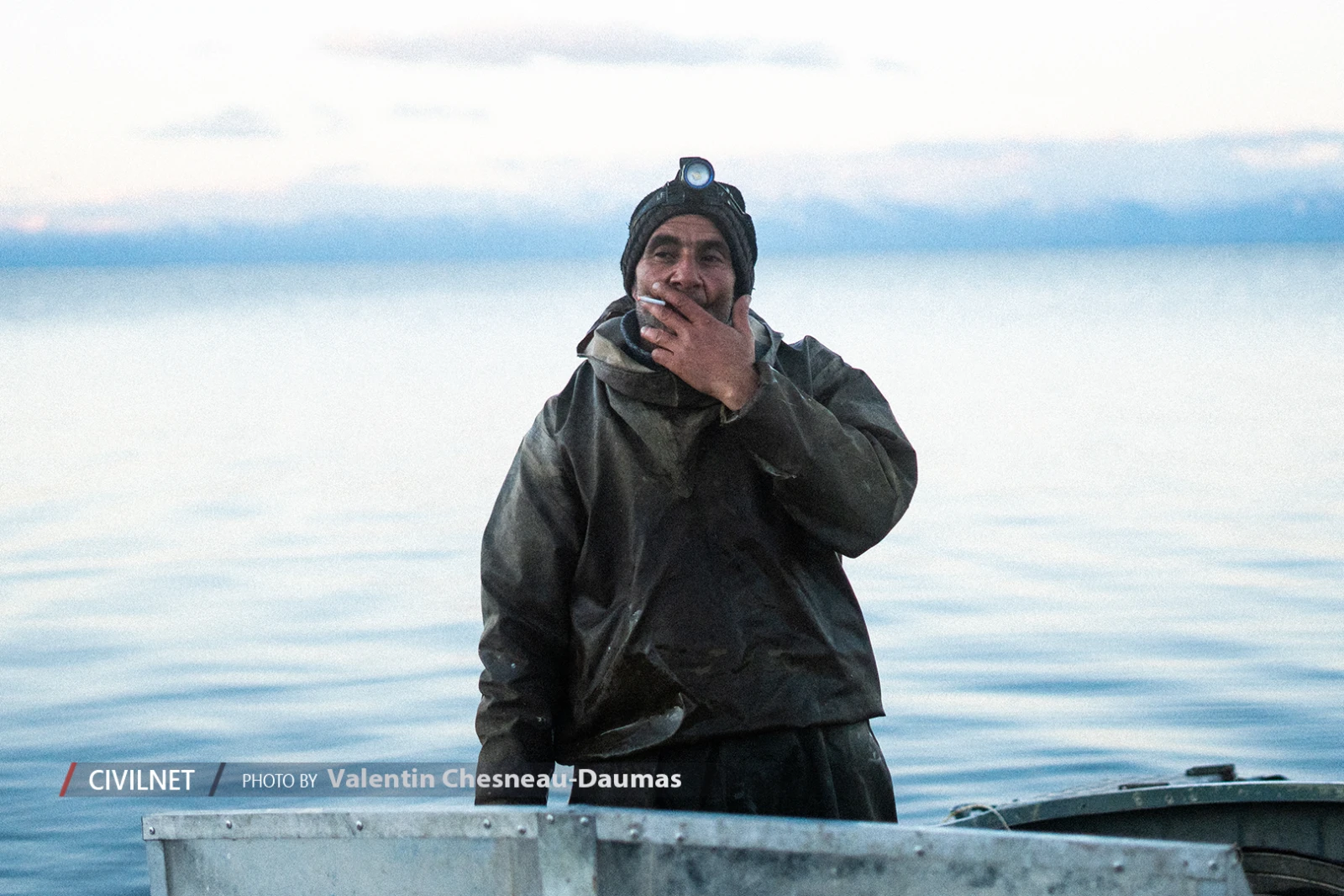
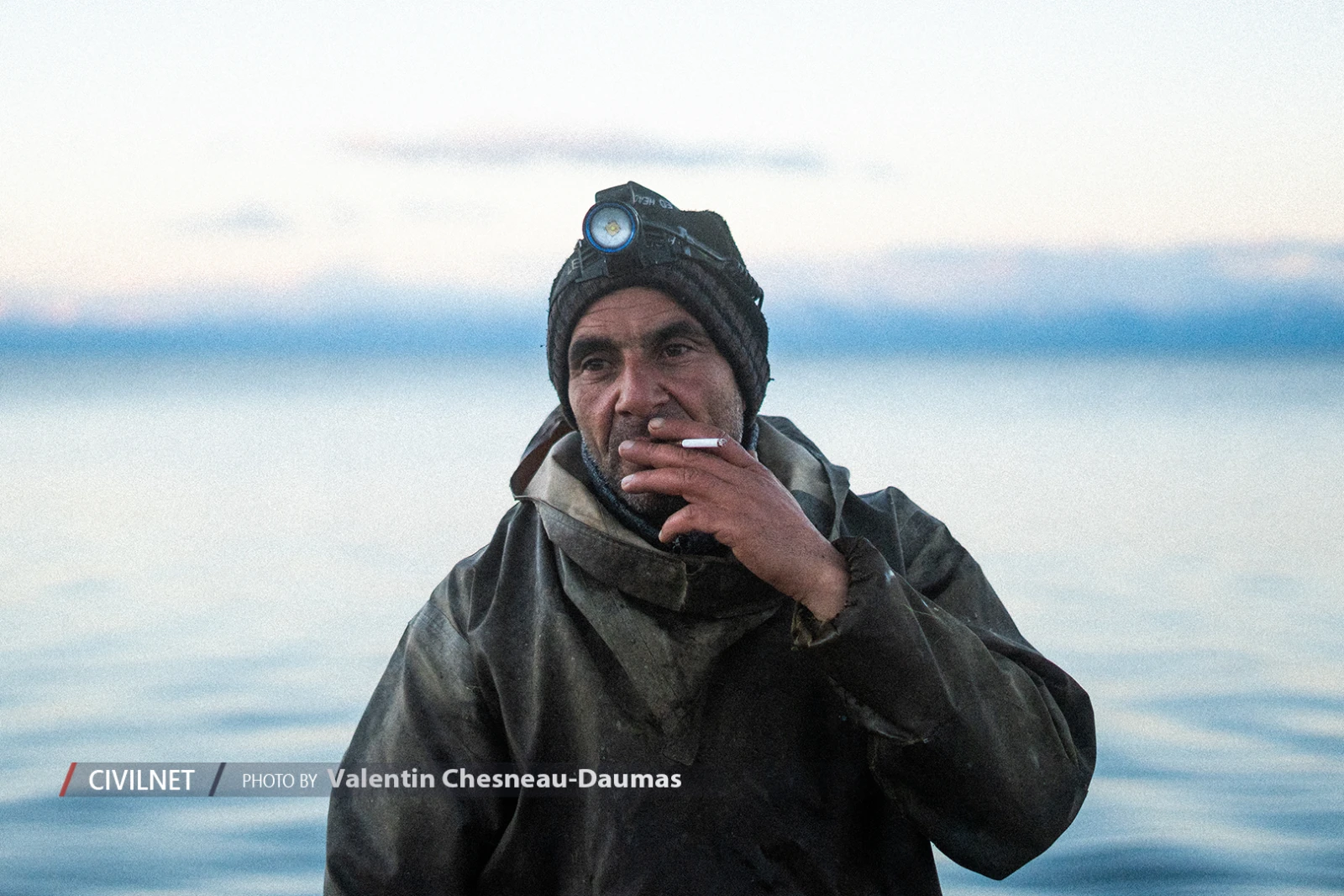
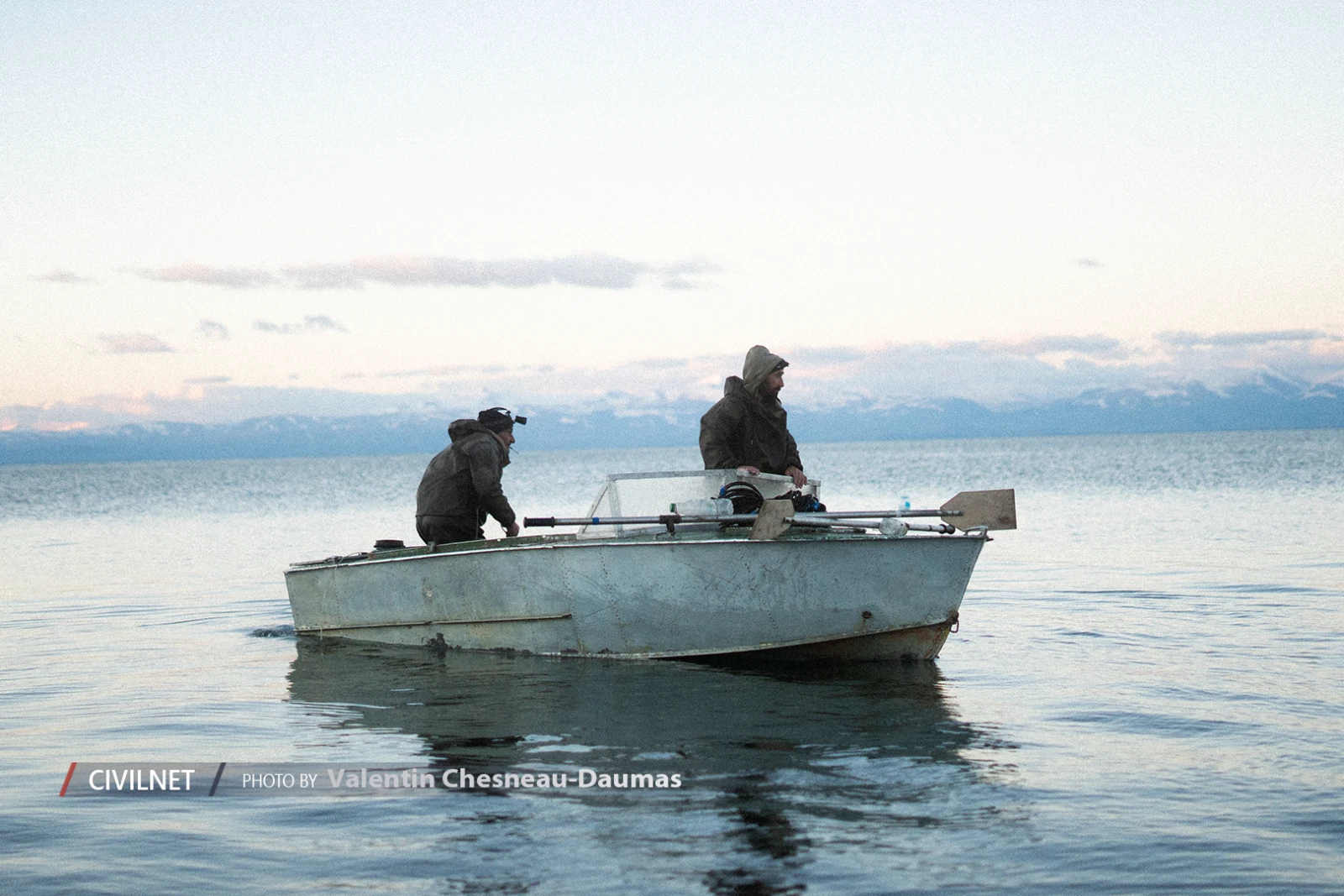
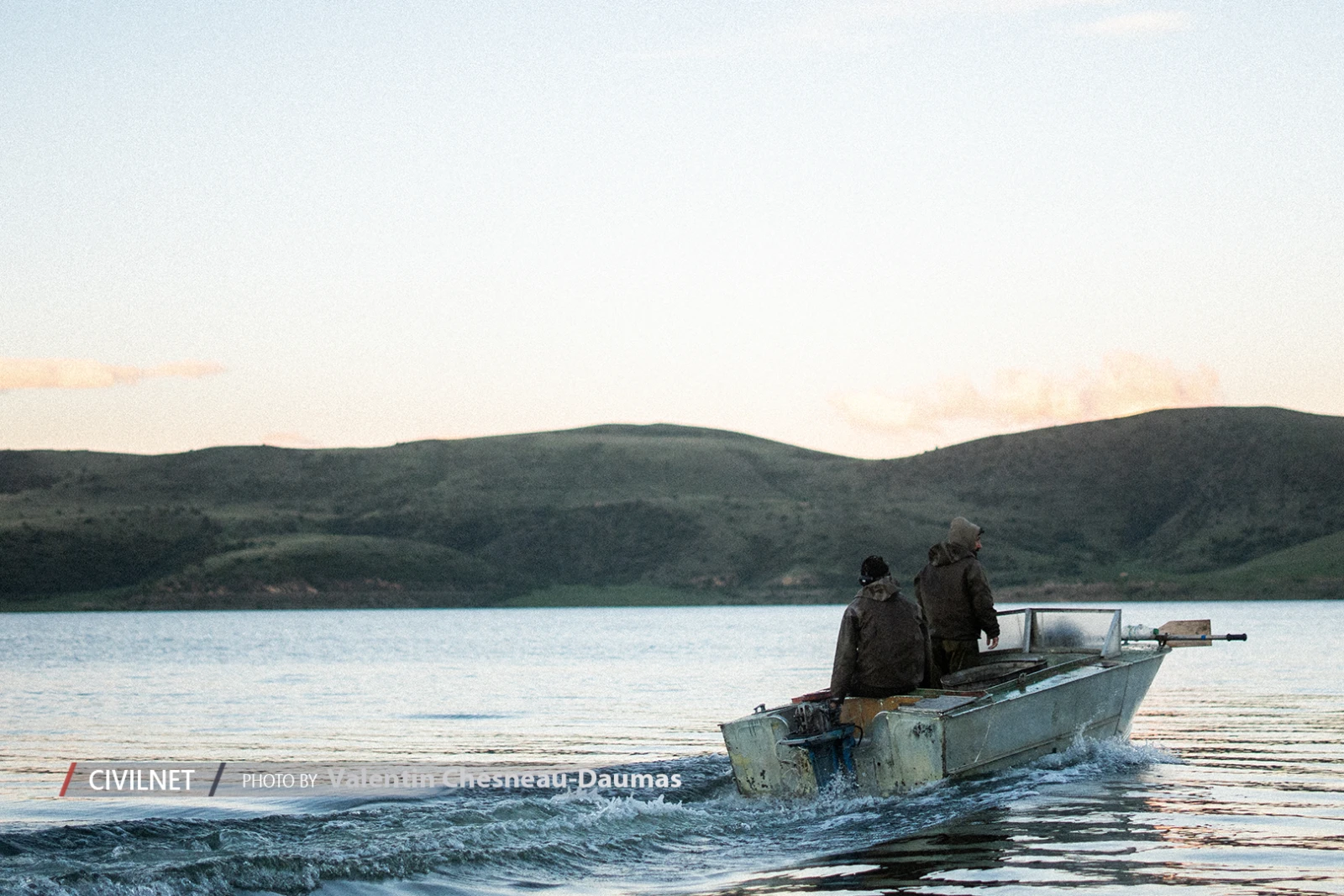
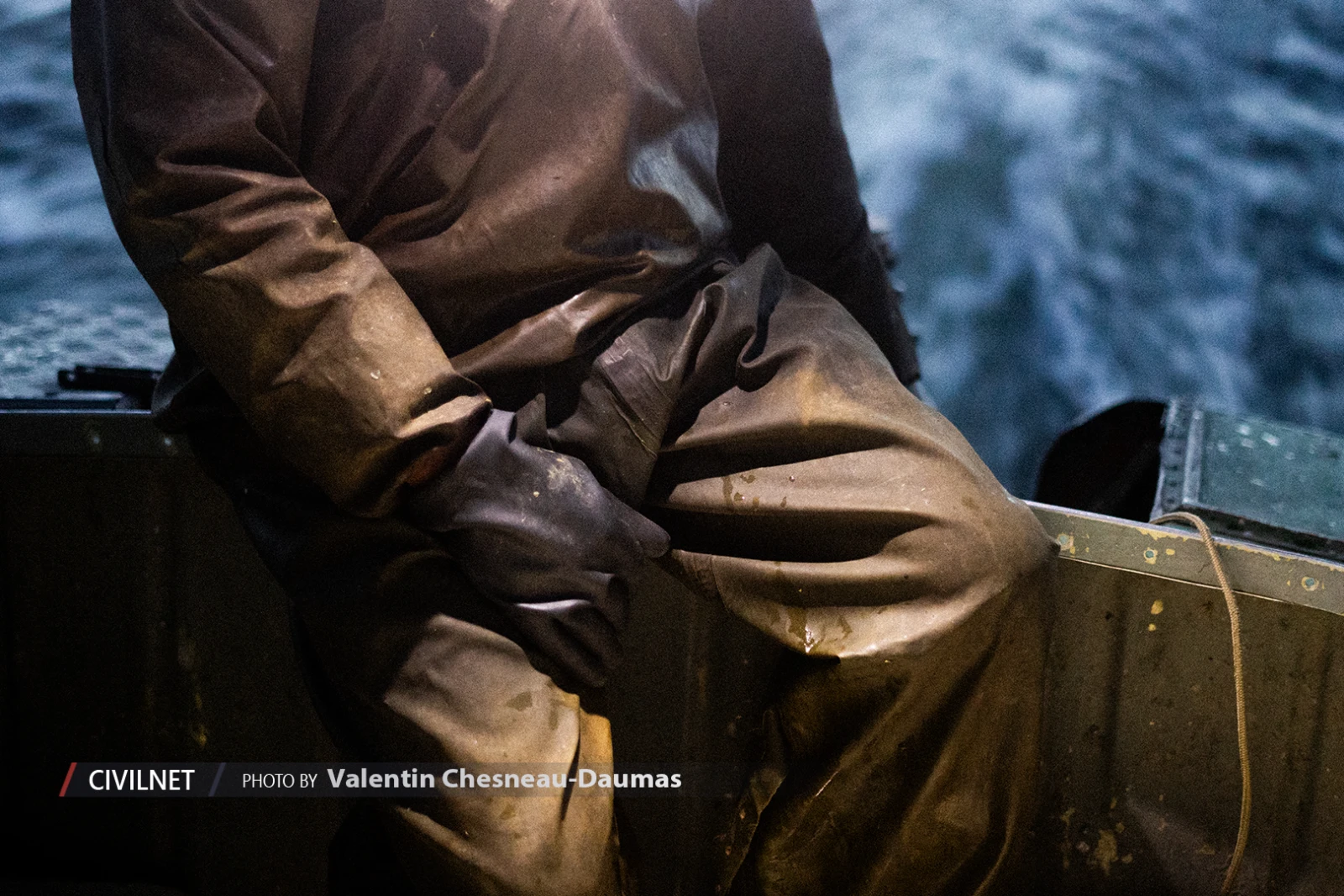
Yet life on Sevan continues much as it has for generations. Along its shores, small-scale fishermen rely on a handful of nets to support their families. Every night, a procession of headlights appears across the lake's dark, icy surface. To avoid the winds — and, some say, to evade fishing quotas — men in waterproof suits head out before midnight and return at dawn.
Most of what they catch is whitefish, or sig. They sell it to traders waiting on the shore or to local restaurants for around 100 drams per fish — barely more than twenty cents. It is a difficult living, dependent on weather, luck and the lake itself.
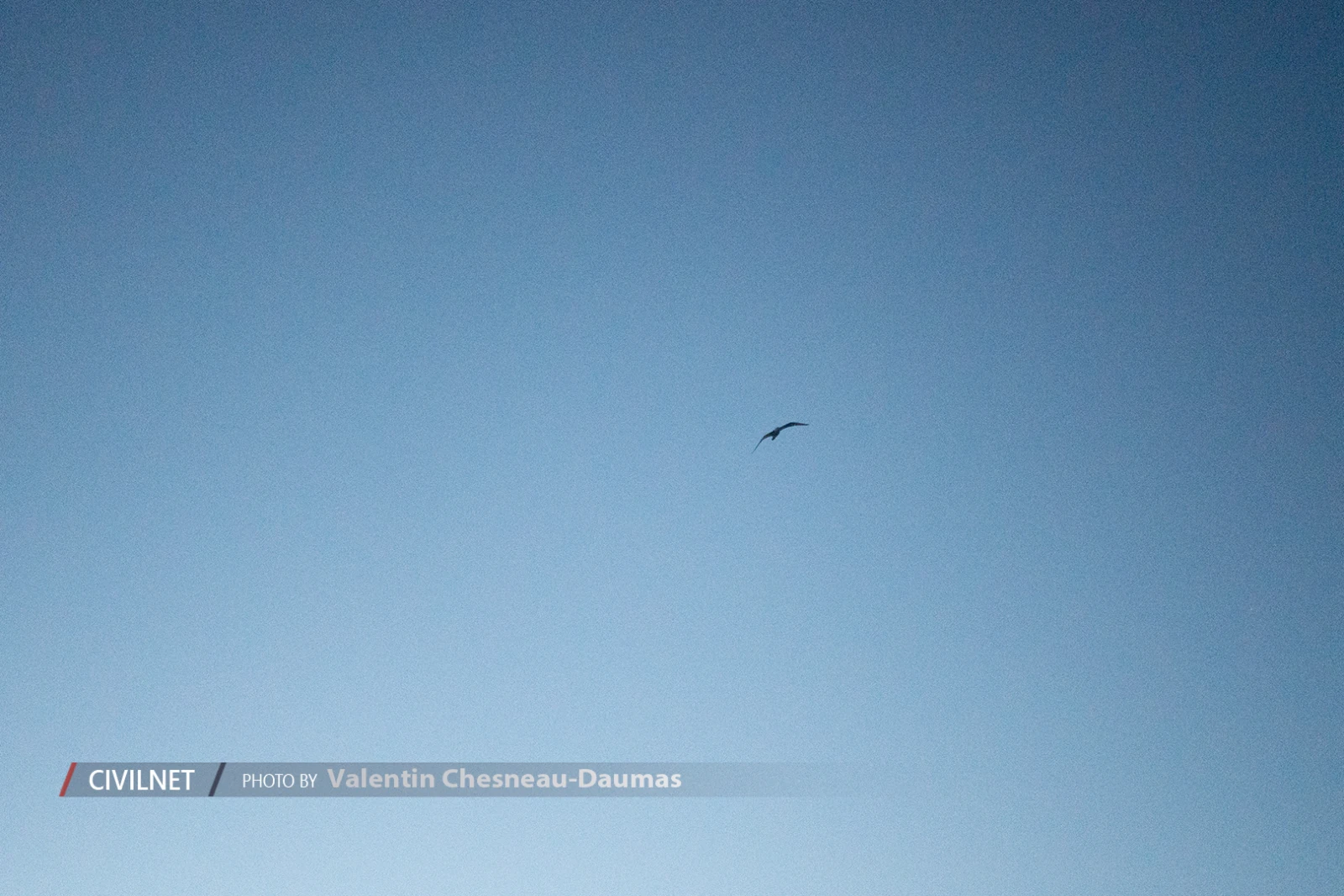
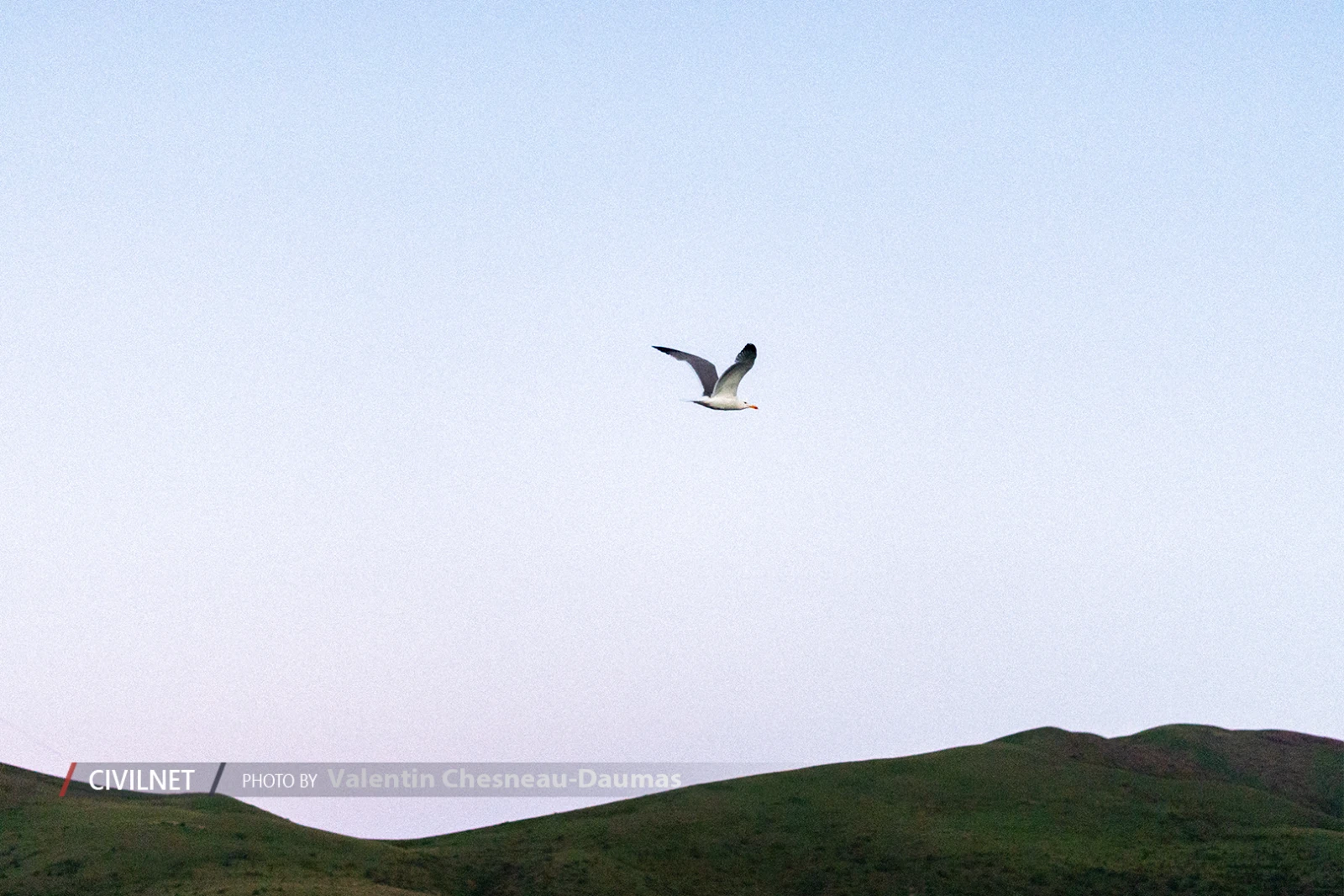
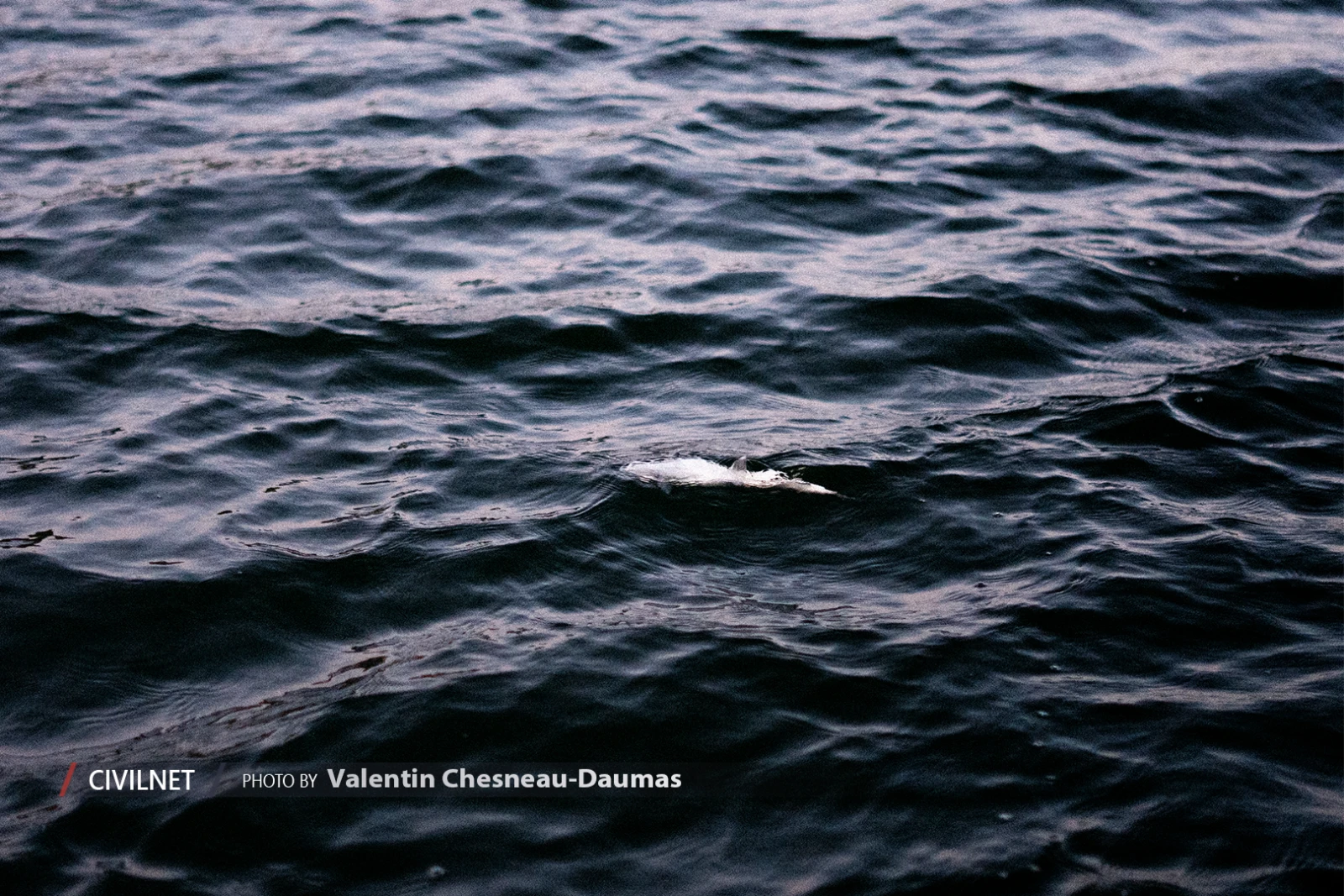
Davit is one of these fishermen. Time is precious on the water, and every movement is practiced and swift. On this particular morning, the catch was poor. Some fish were tossed back into the lake; others were instantly seized by Armenian gulls circling overhead. The rest landed on the deck, still twitching. Within two hours, all the nets had been hauled in. By nightfall, Davit would be preparing to do it all over again.



 Stories