By Siranush Adamyan
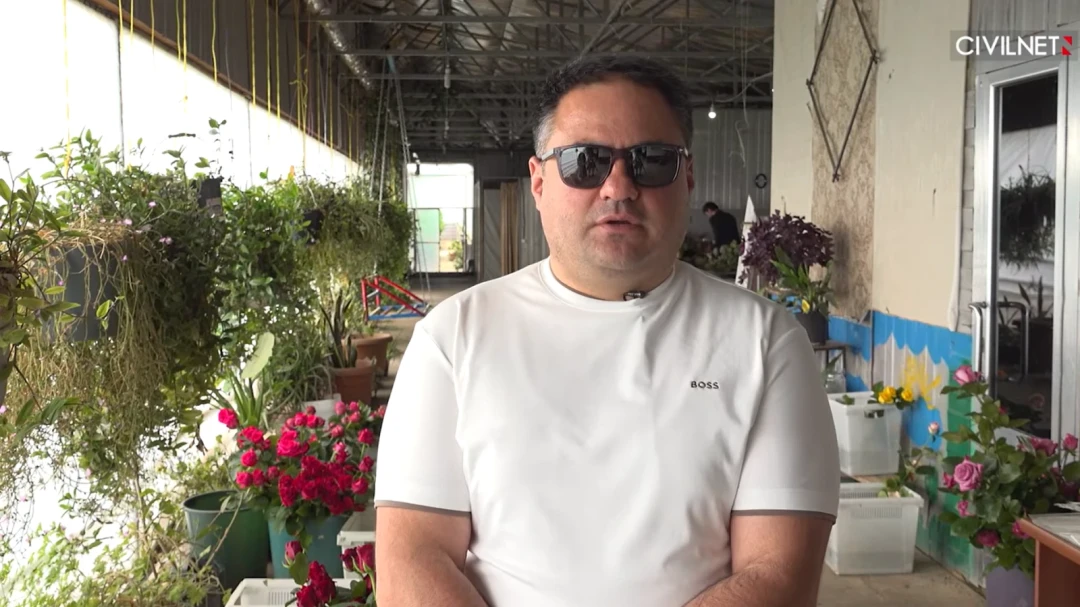
Starting every morning among rows of roses in his greenhouse outside Gyumri, Tsolak Chadryan now faces a problem that has little to do with growing flowers. Instead, he is searching for new buyers after Russia, the destination for almost all of his exports, suspended flower imports from Armenia.
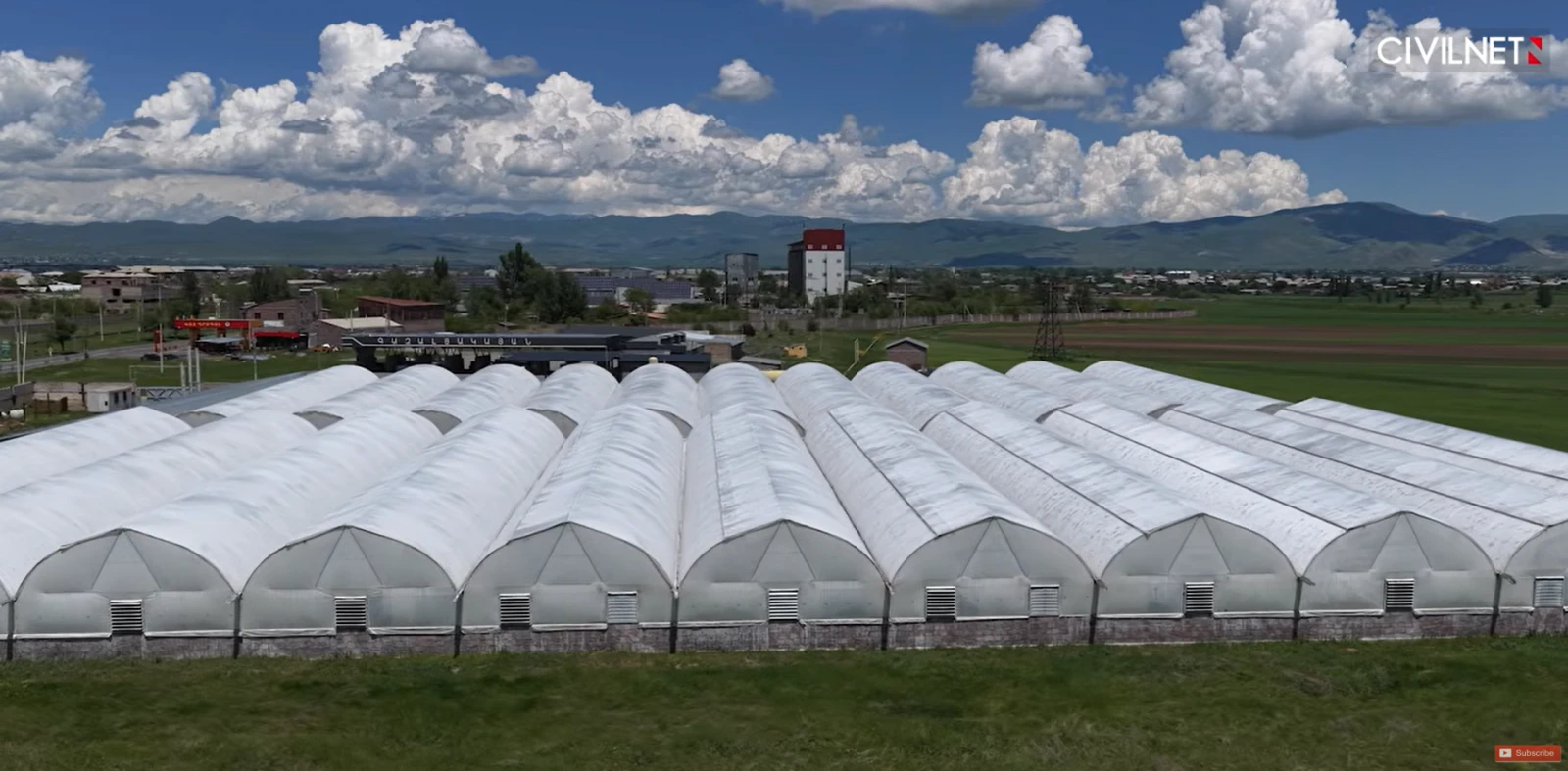
Eight years after establishing the Vardeni Gyumri greenhouse, Chadryan had built his business around the Russian market, which accounted for about 90% of his sales. Since Russia imposed restrictions on flower imports from Armenia on May 21, citing phytosanitary concerns and the detection of pests, that business model has been thrown into doubt.
Also read: Russia to halt flower imports from Armenia over alleged pests
"We're trying to export to Romania. We've already sent two shipments, and we're also working with Bulgaria," Chadryan said. "It would be very good if we had other markets. The prices are much lower than in Russia, but at least they are an alternative. We should have been thinking about this years ago because we knew where things were heading."
The shift has proven costly. Deliveries that once reached Russia within one or two days now take four or five days to reach European customers, increasing the risk that the flowers will deteriorate before they are sold. Logistics costs have also surged.
"When we exported to Russia, we shipped directly to a wholesaler who then distributed the flowers to retailers. The logistics were much faster and cheaper," Chadryan said. "Europe doesn't work that way. The flowers must first reach a flower exchange before they can be sold. A truck that cost us $2,000-$3,000 to send to Russia now costs $8,000-$9,000 to send to Europe."
The disruption has had an immediate effect on Armenia's domestic market. Bouquets are now widely available at heavily discounted prices in supermarkets and flower shops as producers struggle to sell flowers that would otherwise have been exported.
A market built around Russia
Russia has long been Armenia's dominant export market for flowers. Armenia exported more than 46 million flowers to Russia in 2025, with the country's floriculture industry generating around $50 million in exports, almost all of them destined for the Russian market.
The Russian authorities announced the import restrictions on May 21, saying inspections had identified quarantine pests in flower shipments from Armenia. The decision came as Armenian exporters were already facing growing obstacles in accessing the Russian market for agricultural products. Earlier this year, Russia also imposed restrictions on several Armenian food exports, raising broader concerns about the vulnerability of businesses dependent on a single destination.
Also read: Armenia faces sweeping Russian import restrictions across industries
Producers say support misses growers
The Armenian government has introduced a program to subsidize transportation costs for exporters seeking to access new markets. But Chadryan says the assistance is not reaching those who bear the financial burden.
"The money goes to the exporting company," he said. "But the exporter is not necessarily the producer. I grow the flowers, another company organizes the export, yet I'm the one who suffered the losses. In reality, I don't receive the compensation."
The stakes are high for greenhouse operators who invested heavily to expand production.
Chadryan says he borrowed about $800,000-$900,000 to build and develop his greenhouse.
"Many producers are in the same situation," he said. "They took out large loans to build greenhouses and now they're facing this problem. It needs a quick solution. First, I would like Armenia to restore its trade relations with Russia in a dignified way. Second, we need to find alternative markets."
Without a resolution, he warned, many businesses may struggle to service their loans, pay employees and prepare for the heating season this autumn.
Diversification remains a long-term challenge
International trade expert Karen Azaryan said the situation highlights the risks of relying too heavily on a single export market.
"The state's role is to facilitate trade and open new markets for businesses," Azaryan said. "It should ensure the regulatory environment is supportive and flexible. If government decisions or legislation need to change, those changes should happen quickly."
The challenge, however, extends beyond finding buyers. European markets require different distribution networks, longer transport routes and higher logistics costs, making it difficult to replace the Russian market in the short term.



 Stories