
By Lia Avagyan
Fruit and vegetables are a staple of the Armenian diet, especially during the summer. Markets overflow with locally grown tomatoes, cucumbers, peaches and melons. But behind the abundance lies a question that rarely reaches consumers: how safely are these crops grown?
A 2024 study by Armenia's Food Safety Inspectorate found pesticide residues exceeding permitted limits in several seasonal fruits and vegetables. While officials say most produce complies with safety standards, experts interviewed by CivilNet argue that the findings point to broader weaknesses in pesticide regulation, farmer education and government oversight.
The inspectorate tested 179 samples of seasonal produce in 2024. According to its findings, the highest number of violations was recorded in melons and watermelons grown in the Ararat region. The largest pesticide concentrations were also found there.
Exceeding permitted pesticide residue limits in food has been linked to a higher risk of cancer and diseases affecting the nervous and endocrine systems.
The problem starts long before produce reaches consumers
Consumer rights advocate Babken Pipoyan says excessive pesticide residues are only the visible result of a much larger problem.
"If a farmer knew that abusing pesticides meant they wouldn't be able to sell their produce, would they still misuse them? Of course not," Pipoyan says. "Everyone gets blamed except those responsible for oversight and for creating the institutions that should prevent these problems. If farmers truly understood the real consequences—not just the theory—they wouldn't do it."
Former Deputy Agriculture Minister Ashot Harutyunyan says many producers rely on pesticide retailers instead of trained agronomists because professional agricultural advice is largely unavailable. As a result, pesticides are often applied without sufficient knowledge of the correct dosage, timing or purpose.
"You won't find even one specialist in Armenia who can properly establish application rates," Harutyunyan says. "People go into shops, show a diseased leaf or a pest to the seller, and ask what they should use. Sometimes even the sellers don't know—they simply sell whatever they have. That's why we have the situation we have."
Armenak Ter-Grigoryan, dean of the Faculty of Agronomy at the Armenian National Agrarian University, believes the problem lies not only with farmers but also with the way pesticides are sold.
"When farmers buy pesticides, they should receive only the products and quantities they actually need for the crops they cultivate," he says. "Instead, many purchase much more than necessary and keep the rest for later. That creates serious risks."
The Food Safety Inspectorate acknowledges that controlling pesticide use is difficult. Arthur Nikoyan, head of the agency's phytosanitary department, says inspectors register pesticides imported into Armenia but have no authority to monitor how farmers actually use them or whether they exceed recommended doses. He says another major obstacle is the lack of traceability, which often makes it impossible to identify where contaminated produce originated.
"We have started registering land users to create a database and develop mechanisms that would gradually bring them into the oversight system," Nikoyan says. "Looking at European countries, the difference is not necessarily larger farms but better cooperation among farmers. Greater land consolidation is also part of the solution."
Pipoyan says laboratory testing alone cannot solve the problem. He argues Armenia needs a traceability system similar to the one used for products of animal origin, allowing authorities to determine where produce came from, what pesticides were used and whether harvesting took place after the required waiting period.
"Just as products of animal origin move with the necessary documentation, agricultural produce should also be accompanied by phytosanitary documents," Pipoyan says. "If farmers know exactly how long it takes for a pesticide to leave the fruit, they won't harvest it prematurely."
Reducing risks requires more than consumer caution
Some farmers say reducing pesticide use is possible but depends on changing agricultural practices.
Artush Khachatryan, founder of the Sareri Bariq social enterprise, says excessive use of pesticides damages the very resource farmers depend on.
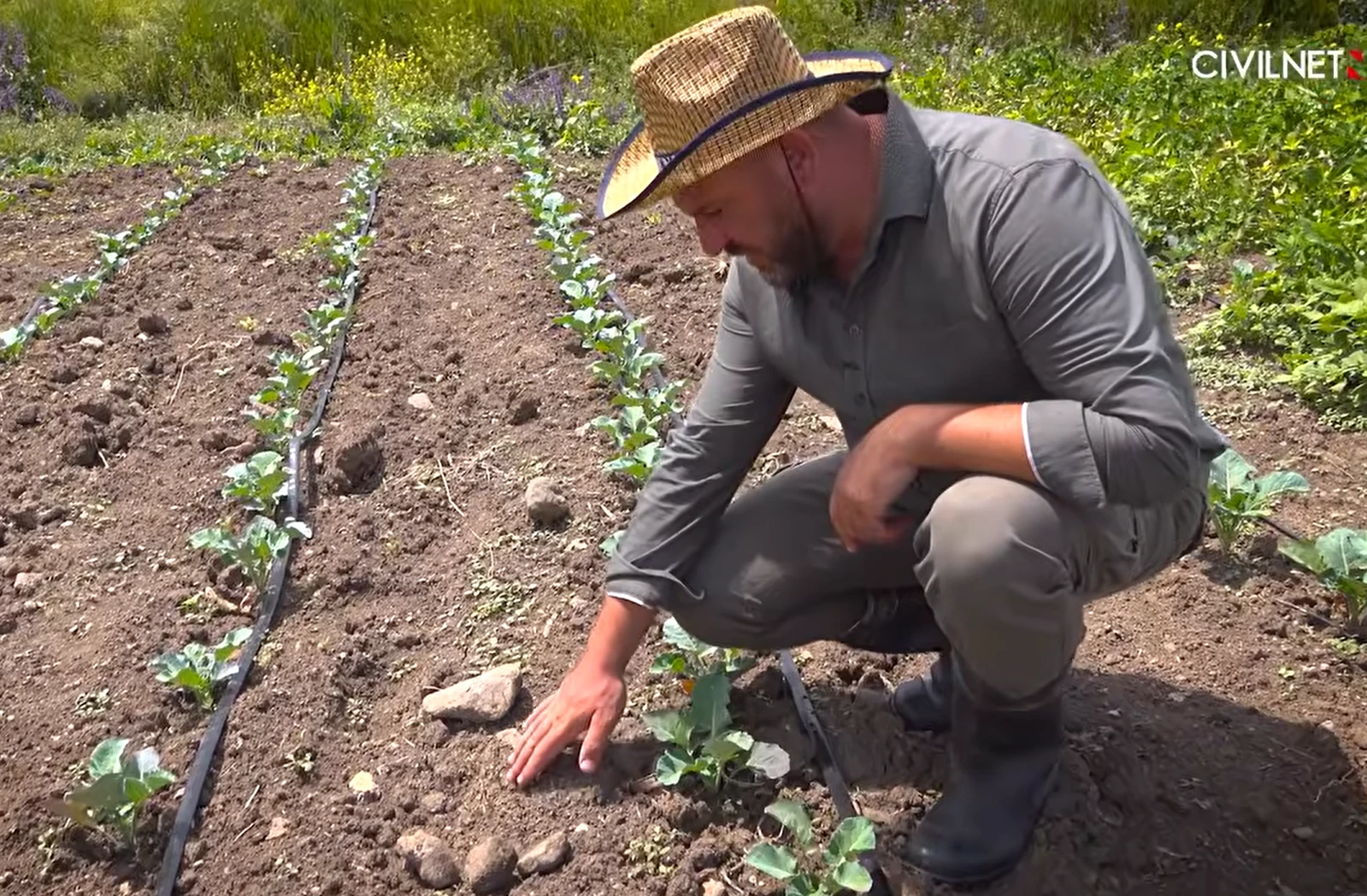
"The excessive use of chemicals destroys beneficial bacteria and fungi in the soil, causing it to gradually lose its vitality," he says.
"Using pesticides makes farming easier in the short term, but the damage is enormous and lasts for years."
CivilNet also asked Armenia's Ministry of Health whether the current system adequately protects the public from excessive pesticide exposure. In a written response, the ministry said it was not authorized to assess whether the population is sufficiently protected from pesticide overuse, referring the question to the relevant government authority.
Experts nevertheless agree on one practical recommendation for consumers. Washing produce can reduce some pesticide residues but not all of them. They also recommend maintaining a varied diet rather than consuming large quantities of a single fruit or vegetable, reducing repeated exposure to the same chemicals.
Ultimately, they argue that responsibility for food safety lies primarily with the state's regulatory system rather than consumers. Better oversight, stronger agricultural advice and effective traceability would do far more to reduce pesticide risks than relying on shoppers to identify unsafe produce.




 Stories