
By Arshile Khanjian Egoyan
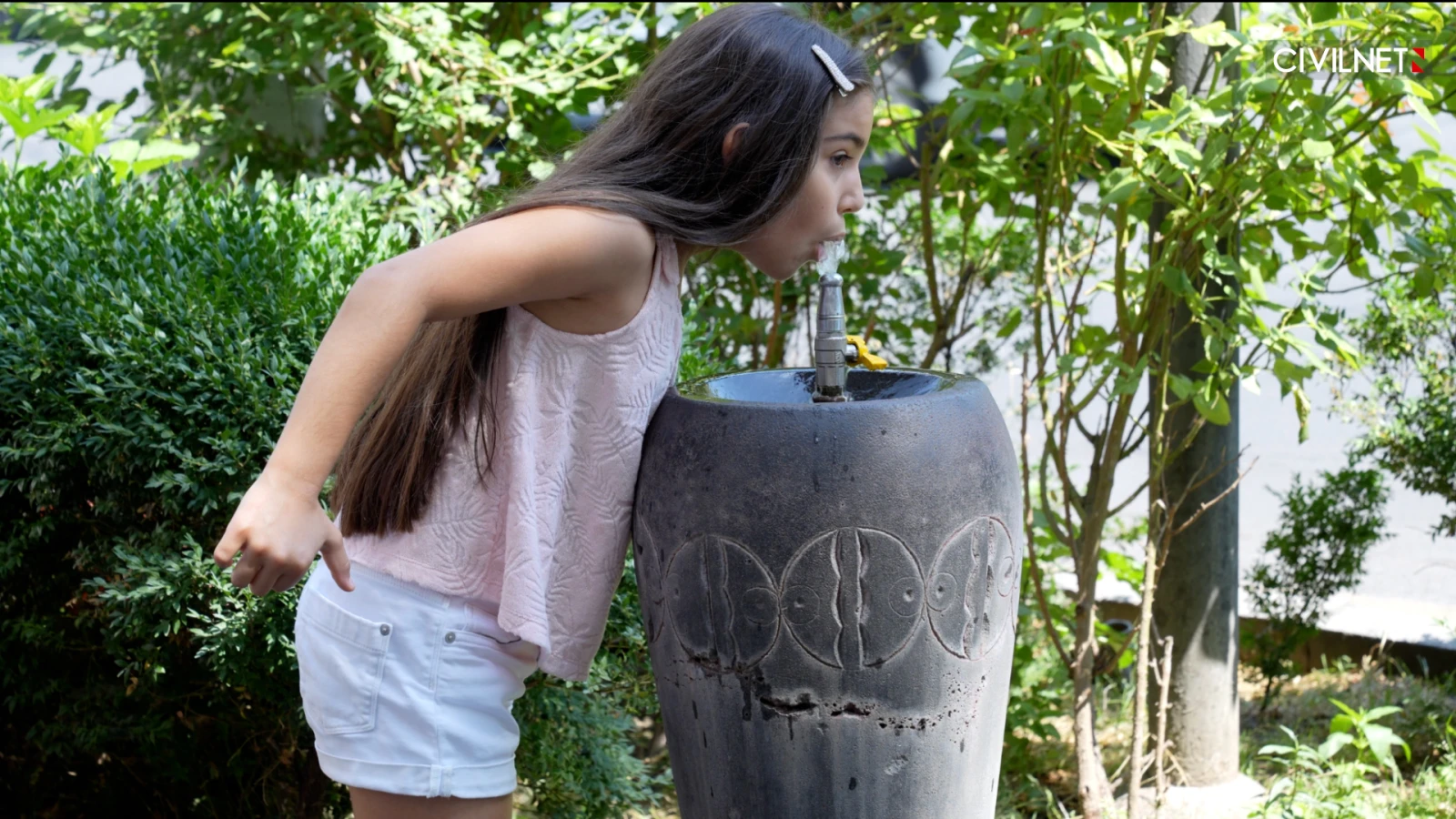
Returning to Yerevan after years away, I delighted in my reintroduction to pulpulaks, an iconic source of hydration made available to Yerevan's denizens. Often running 24 hours a day, they afford a sense of luxurious abundance to everyone across every conceivable dividing line - social, political, economic, even across gaps in species: stray dogs are known to use them to stave off thirst along with the rest of us.
This time around, I noticed that a small minority of pulpulaks featured manual switches. As parts of the world face unprecedented levels of heat, wildfires abound, and Armenia reckons with drought and accelerating water scarcity, the introduction of these switches seemed to gesture at an important reality check - the balance between culturally representing abundance and the harsh realities of tapping a finite resource. I wanted to understand how the public related to the introduction of these switches, whether they were being used, who was responsible for maintaining them, and how the concept might be improved upon.
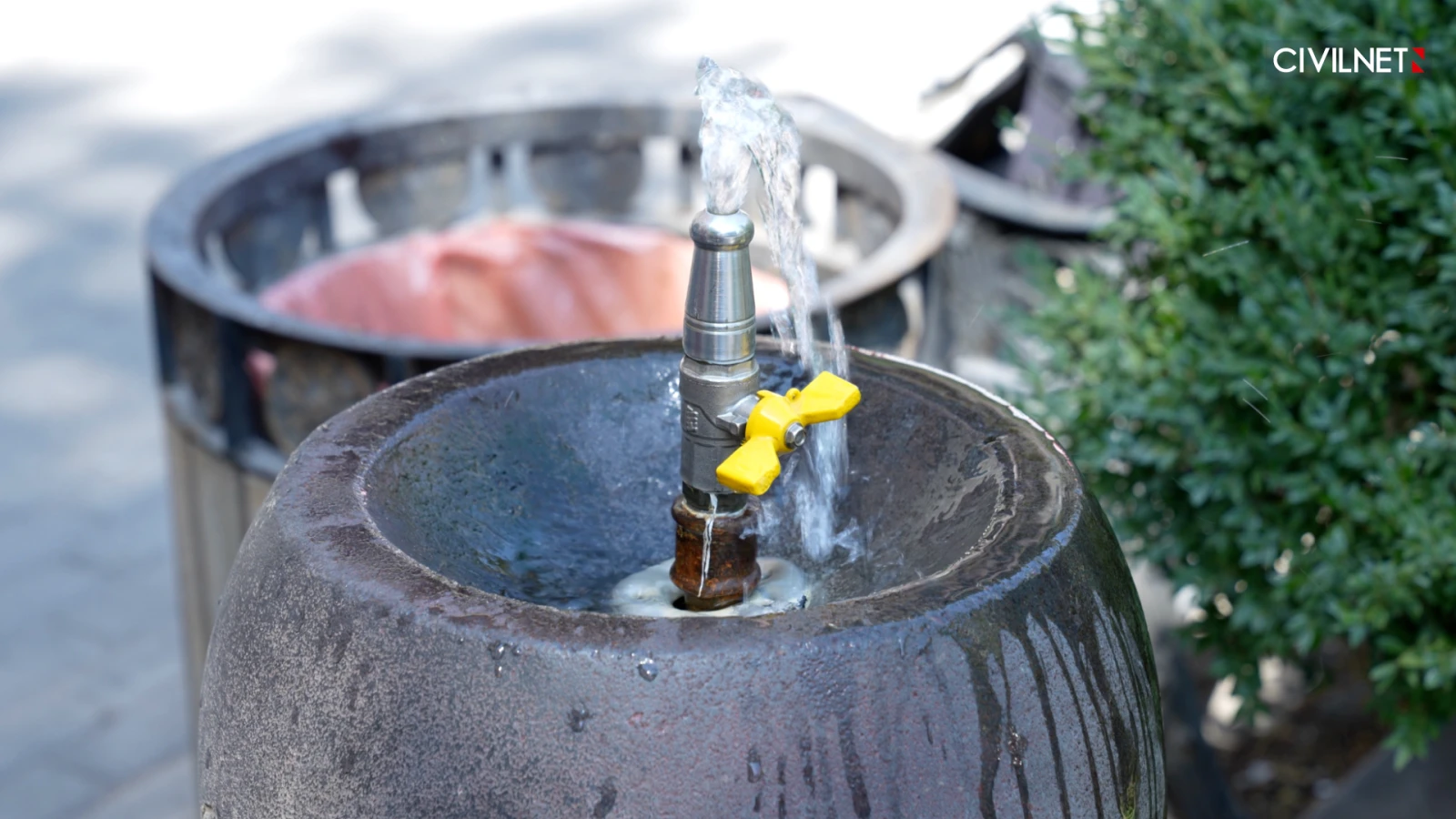
Among the users of pulpulaks we spoke with, there seemed to be a consensus around the importance of water preservation:
“Water is a strategic resource and we have to save it. We should put a switch on everything to save water.”
In fact, there seemed to be a kind of reverence for Armenia's water - a sense that it was especially clean.

”We should treat water with respect, because the water is really precious in our country. It's one of our treasures.” “The water of Armenia is the cleanest and best water.”
To gain clarity on why switches had been introduced in such limited quantities, I reached out to the Water Committee for comment and was referred to Veolia Djur, a private subsidiary of the French company Veolia, which administers water supply across Armenia.
They responded with a letter: "Veolia Djur CJSC should ensure free water supply to public fountains. At the same time, the company is not responsible for the operation and maintenance of public fountains. Therefore, the issues of installing valves on the public fountains and the water lines feeding them, and interrupting their water supply, should be dealt with by the local self-government bodies, relevant communities, and administrative districts, which is also stipulated in an instruction issued by the Government of the Republic of Armenia.”
The maintenance of pulpulaks, I understood, is not governed by a single body - different pulpulaks fall under different jurisdictions: some governmental, some commercial, some private. This introduces complexity, leading to inconsistent pulpulak experiences even within a single municipality.
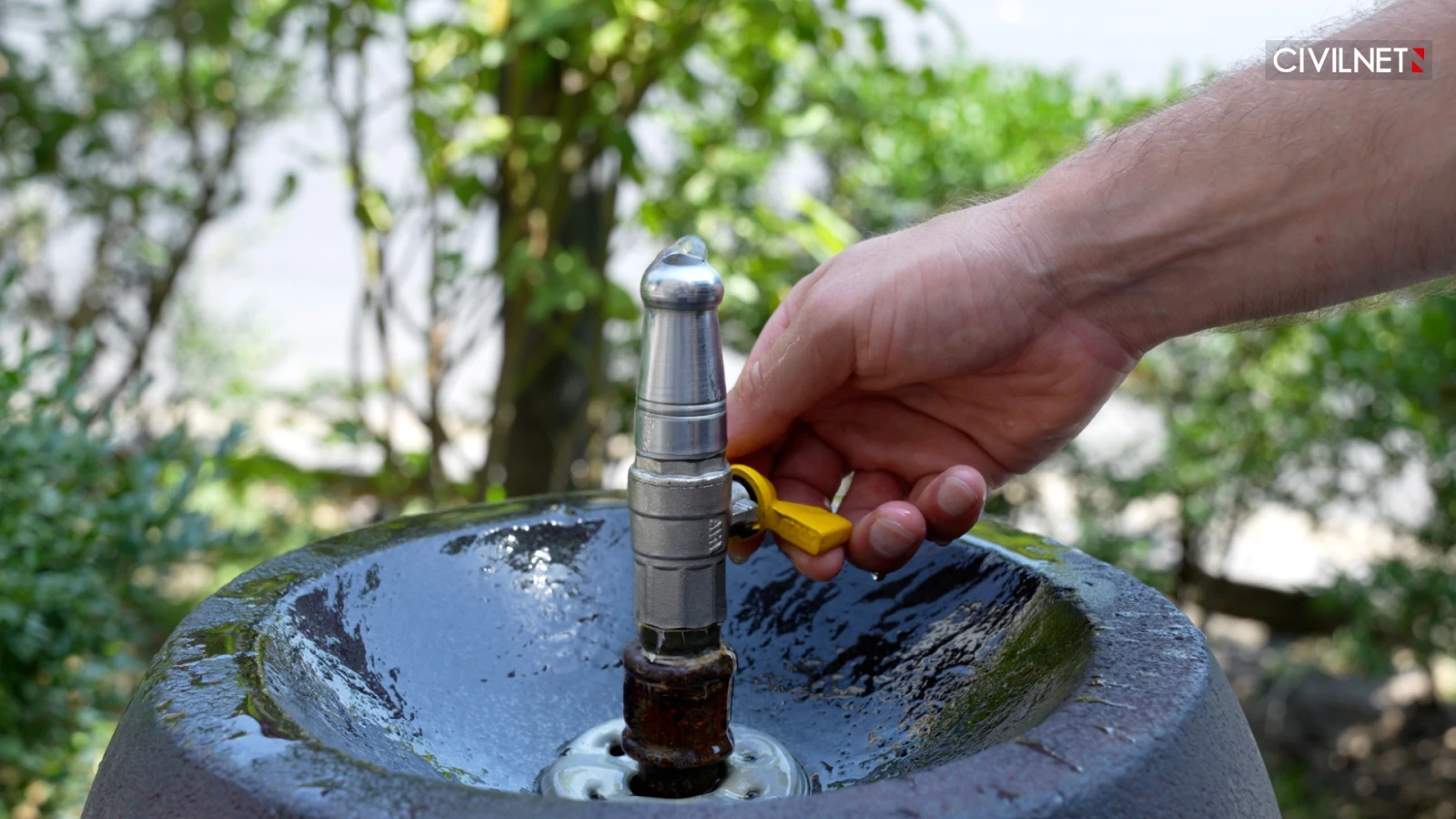

As for the switches themselves, Veolia Djur added: "In 2019, in order to save water, Veolia Djur CJSC, in cooperation with the Government of the Republic of Armenia, launched a pilot project to introduce a new valve system for public drinking fountains. Within the framework of this project, valves were installed on 48 public drinking fountains at the Company's expense across different parts of Yerevan. However, unfortunately, a significant number of the valves were damaged or broken shortly afterward, and as a result, the initiative was not continued.”
In an undated article on veolia.am, Veolia Djur estimates that Yerevan's roughly 3,000 pulpulaks consume about 4.3 million cubic meters of water a year - and the company's regional director for the East District, Karapet Ohanyan, said the new limiting systems could cut a single fountain's consumption by nearly tenfold. If applied to 3,000 pulpulaks, the savings might approximate 3.87 million cubic meters a year.
Veolia Djur's own account of the pilot cites that people unhappy with the valves had damaged taps in some places, while a September 6, 2021 ECO.am investigation quotes the company's then public relations officer, Murad Sargsyan, saying 90 percent of the valve-fitted fountains no longer operate with valves because residents removed them, and that staff were confronted aggressively on site. The resource-conscious consensus I’d noticed in my handful of interviews might have been reflective of a cultural change in attitude that’s happened over the last seven years, or it could be that the opinions of the people I spoke with - all in central Yerevan - weren’t shared with those outside of the city’s centre.
Indeed, of the few pulpulaks I came across with switches on them, a number were non-functional. Also notable: some of the same people we spoke with - who supported the introduction of switches and espoused the importance of preserving water on camera - observably did not use the switches to turn the pulpulaks off after use.
“The most important thing is that people learn to turn off the switch. In many cases, people turn it on and don’t turn it off."
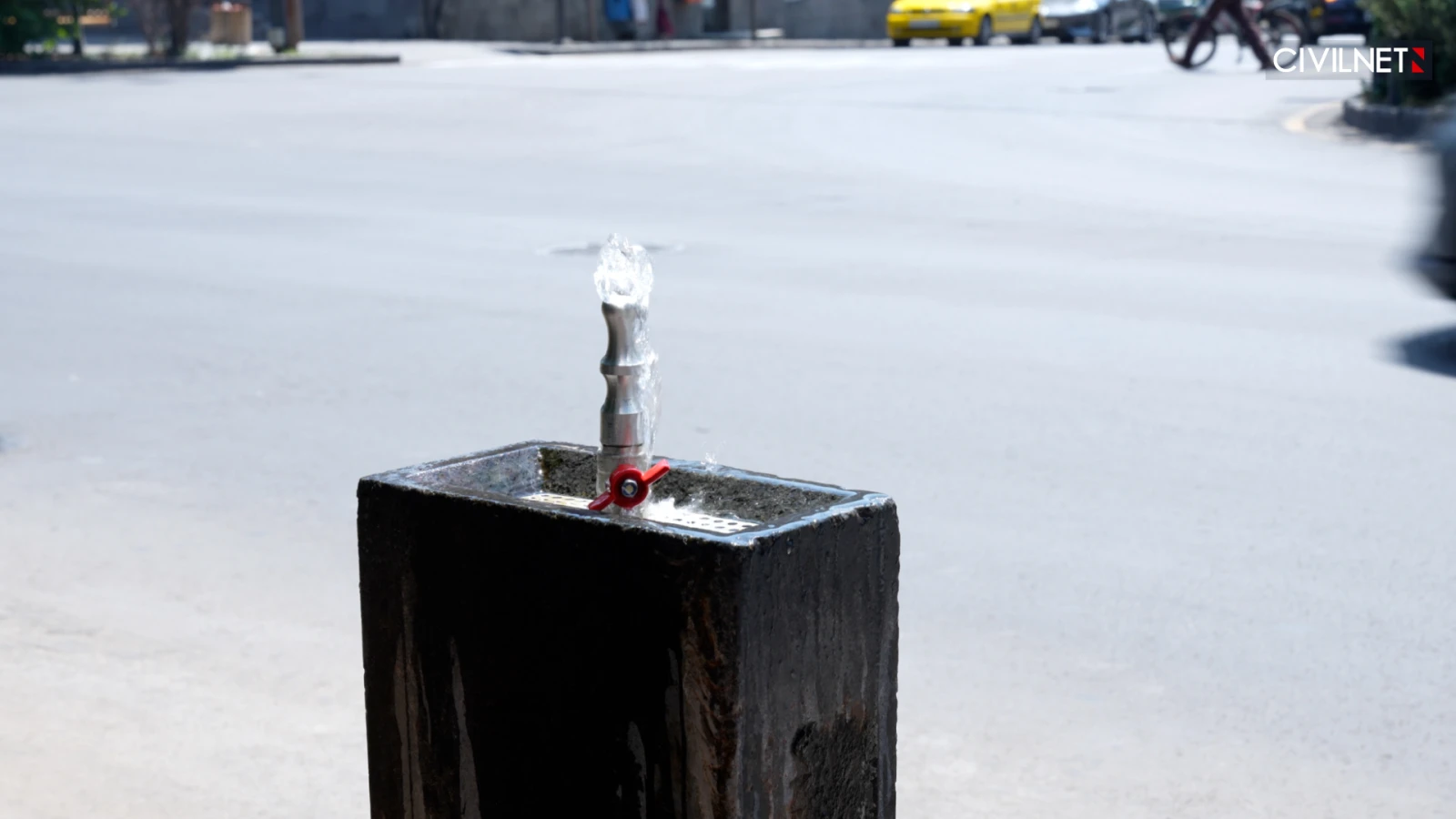
In trying to discern what might be responsible for the discrepancy between articulated belief and practice, I considered the technology itself. Switches require the user to remember to turn the tap off, and, relying on the user's subjective estimation of how much force to apply when twisting the switch, are especially susceptible to damage. Additionally, if a pulpulak is found already running, it might subconsciously encourage users to leave it as they found it - namely, on.
I wondered why, as in many other parts of the world, the tap wasn't off by default, with water running only upon activation via a button before automatically shutting off again. I had found one such pulpulak near the Saint Hripsime Church in Etchmiadzin - it worked well. As it turns out, that style of valve was the one implemented during the Veolia Djur pilot.
That the conclusion of said pilot was to discontinue water-saving measures on pulpulaks because of public upset seemed unfortunate and unproductive. The solution seems to need to entail both a public cultural shift towards precious resource conservation as practice as opposed to just as comfortable ideal, and a top down, sustained effort to implement practical changes where possible, even if imperfectly.



 Stories