By Lia Avagyan
Armenia’s new universal health insurance system is seeing higher-than-expected demand for medical care among working-age employees and the self-employed, exposing a backlog of health problems that people had put off treating.
The Universal Health Insurance Fund had expected people aged 18 to 64 who were employed or registered as individual entrepreneurs to use fewer medical services than other groups covered by the system.
But early data has challenged that assumption, with the Fund finding significant demand among people who were thought to be relatively better able to pay for healthcare themselves.
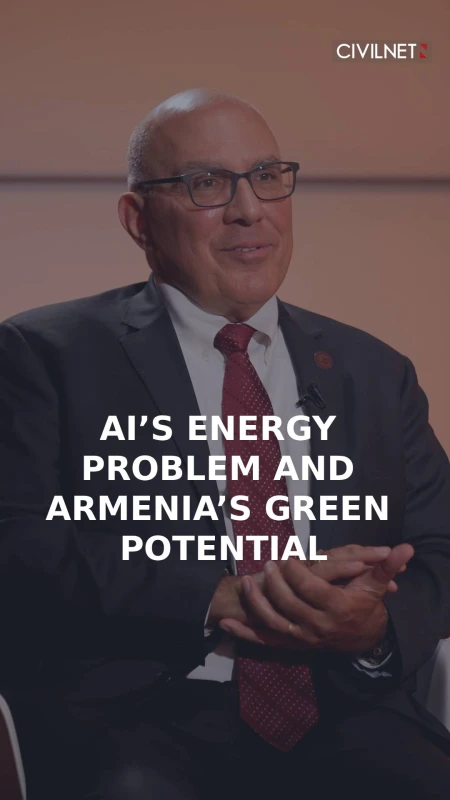
“We had forecast lower utilization rates for employed people and individual entrepreneurs, but, to our surprise, it turned out that we have hidden, postponed health problems here as well,” Samvel Kharazyan, acting CEO of the Universal Health Insurance Fund, told CivilNet.
The findings suggest that employment and regular income did not necessarily protect Armenians from delaying treatment because of cost, and that introducing insurance has brought some previously unmet demand into the healthcare system.
Armenia launched its universal health insurance system in January 2026 as part of a phased reform intended to expand access to healthcare while reducing the large share of medical costs patients pay directly.
The first groups brought into the system include children, pensioners, people with disabilities and other state-supported groups, as well as employees and individual entrepreneurs who meet the income criteria set by law.
Kharazyan said higher service use among workers was one of the main areas where actual demand differed from the Fund’s initial projections.
The surge may not last at the same level. The Fund expects demand to moderate as people deal with health problems that accumulated before insurance coverage became available.
Kharazyan estimated that 60% to 70% of previously accumulated health problems among people already covered by the system had been addressed during its initial months.
The Fund expects spending under the system to reach about $575 million in 2026, though expenditure will depend on actual use of healthcare services. The government plans to expand coverage further in stages through 2029.
The insurance program also aims to shift the healthcare system toward prevention. From 2029, undergoing designated screening examinations will be required to activate insurance coverage, Kharazyan said. The current package includes preventive visits and screenings for several diseases, including colorectal cancer.
For policymakers, the unexpectedly strong demand among workers provides an early indication of the scale of healthcare needs that had remained outside the formal system before universal insurance was introduced.




 Stories