By Siranush Adamyan
Armenia’s agricultural exports fell sharply in July after Russia tightened restrictions on imports of Armenian food products, according to the World Bank’s Armenia Monthly Economic Developments: September 2026 report, released Monday.
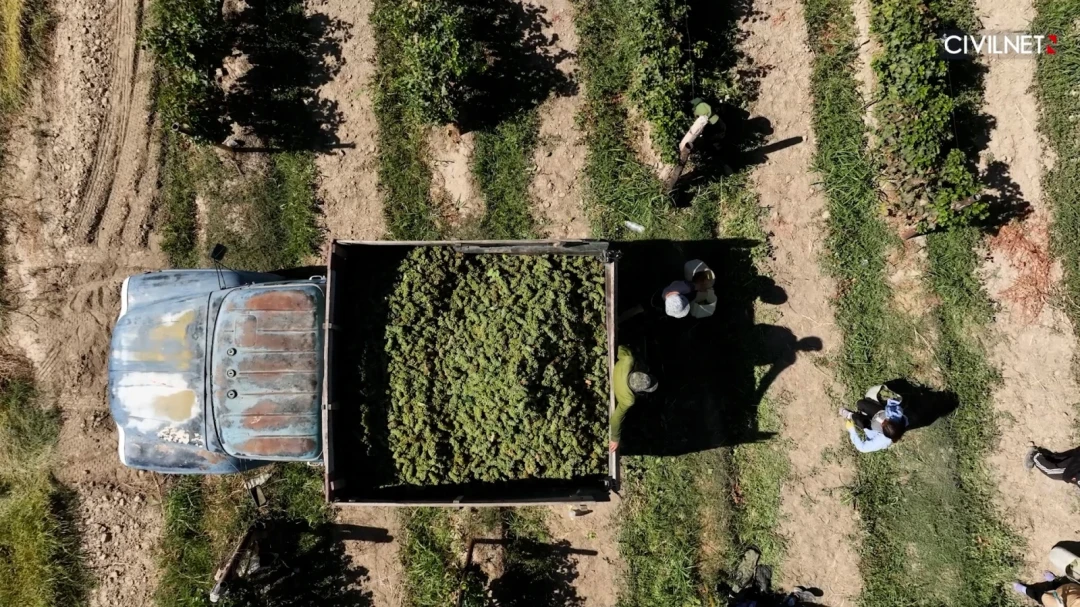
Exports of vegetable products dropped 52.2% from a year earlier, while overall agricultural exports fell 15.2%, the report said.
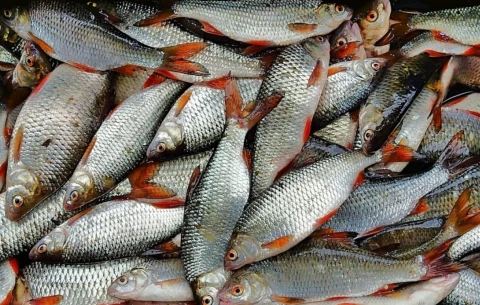
Russia began tightening restrictions on Armenian agri-food imports in April. From June 12, it banned quarantine-controlled products, covering about 130 goods traded within the Eurasian Economic Union, including fresh produce and flowers. Restrictions on fish products followed on June 26.
The measures contributed to a 15.7% decline in Armenia’s total exports in July, while imports increased 21.5%.
The fall in total exports was also driven by a 66.2% drop in exports of precious and semi-precious stones, a major re-export category. Excluding those goods, exports grew 6.8%, largely because mineral exports rose 59.1% from a low base.
Over the first seven months of 2026, Armenia’s exports fell 7.9% from a year earlier, while imports rose 7.7%. The trade deficit widened to the equivalent of 10% of estimated annual GDP, partly offset by services and income flows.
Russia remains Armenia’s main export market for many agricultural producers, leaving growers and exporters particularly exposed to changes in Russian import rules.
Also read: Russian and diaspora demand driving Yerevan’s housing market, the World Bank says



 Stories