By Lia Avagyan
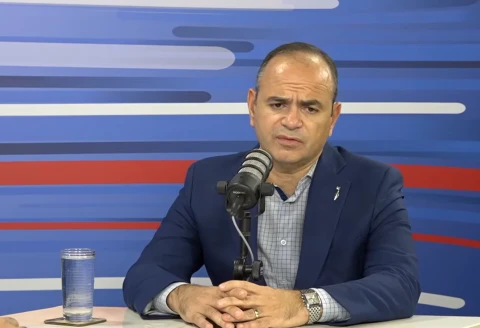
Armenia’s government is considering taxing the Armenian Apostolic Church and returning the payments to finance its programs and activities, Finance Minister Vahe Hovhannisyan said.
In an interview with BOON TV aired on Saturday evening, Hovhannisyan said the proposal was being discussed with lawmakers, but the details had yet to be settled.
“The church should pay taxes like everyone else,” he said, adding that separate rules would be needed to return the tax payments to the church.
The aim is not to increase state budget revenue, Hovhannisyan said. He also did not rule out providing funding exceeding the church’s tax payments if it undertakes programs of strategic importance to the state and society.
Asked which activities would be taxed, the minister referred to religious items and other business activities, without presenting a final list. He said the overall policy objective had been established, but the appropriate mechanism still needed to be developed.
The church currently benefits from specific tax exemptions. A 2007 law governing its relations with the state exempts donations and offerings, as well as the production and sale of items used in religious rites. The Tax Code also exempts religious ceremony services and certain sales of religious items from value-added tax. These provisions do not amount to a blanket exemption from all taxes.
The discussions come amid a prolonged confrontation between Prime Minister Nikol Pashinyan’s government and the church leadership. Pashinyan has repeatedly called for Catholicos Karekin II to step down, and the government’s 2026–2031 program includes his removal and the election of a successor.
On September 24, Pashinyan’s office published a report on what it described as a crisis in the church, alleging financial opacity, misuse of church property and foreign influence, among other issues. The report proposes replacing Karekin II while saying reform should be carried out by the church itself. Christian Solidarity International has challenged the report’s evidence and the government’s authority to intervene, saying leadership changes are an internal church matter.
Hovhannisyan gave no date for the proposed tax changes. He said amendments worsening tax conditions generally require six months before taking effect, but that this requirement does not apply when a tax exemption is removed.
Asked whether taxation could therefore begin as early as next month, he said that was unlikely because the proposal would need public discussion.


 Stories