 Ani Paitjan
Autism awareness has been steadily rising across Armenia, Georgia and Moldova. Governments have expanded rehabilitation programmes, introduced inclusive education and promised more support for families. But behind these reforms, parents still struggle to find specialists, pay for therapies and secure a future for their children in adulthood.
When Helena Melkonyan's son Davit was roughly seven months old, she began noticing movements that did not look quite right.
His body would suddenly contract, almost as if he were about to sneeze. Then he would cry. Helena took him to pediatricians and neurologists, but the first examinations found nothing alarming. Davit was developing physically well, and the doctors reassured her that everything is normal.
Helena, however, had already lost her first child shortly after birth in 2020. That led people to suggest that she was simply too anxious and projecting her previous trauma onto Davit.
But she kept looking for answers.

An electroencephalogram eventually revealed that Davit was experiencing infantile spasms, a serious form of seizure that begins in infancy and can affect a child's development. The seizures stopped at roughly ten months old, following the administration of proper medication.
“At that point, I wasn't thinking, ‘My child might have autism,’” she recalls. “I was thinking, ‘My child has a developmental delay, and we need to start working on it immediately.’”
Today, Davit is four and a half. His neurologist has described his condition as infantile spasms followed by autistic syndrome. His development does not follow the usual sequence. He still needs help with basic skills, including going to the toilet. Yet, he has taught himself to read. He loves letters and has learned the Armenian, Russian and English alphabets largely through books and songs.
“The sequence is different,” Helena explains.
Davit's is one story among many. Yet the questions his family has faced are increasingly familiar to parents in Armenia and neighbouring Georgia and Moldova. How early can autism be identified? Who tells parents where to go after diagnosis? How much support will the state provide? What happens if the family lives in more remote areas? And what will happen when the child becomes an adult?
Across all three countries, much has changed over the past decade. Autism is more visible, parents are better informed, and governments have expanded resources. In some ways, awareness has moved faster than the systems meant to support families.
Armenia
Autism is a neurodevelopmental condition that affects communication, social interaction and the way people experience and process the world. Its manifestations and support needs vary considerably from one person to another.
According to the World Health Organization, approximately one in 127 people worldwide was autistic in 2021. Signs may be noticed in early childhood, although diagnosis often comes later.
In Armenia, autism is discussed more openly than it was a generation ago. Parents are increasingly familiar with developmental milestones, speech delays and the importance of early intervention. But recognizing that a child may need support is only the beginning.
Anna Hovsepyan of the My Way Autism Center says one of the biggest challenges Armenian parents face after diagnosis is understanding what to do next.
Many families aren’t aware of the available resources, which specialists they should consult or what kind of intervention would best meet their child's specific needs. They often have to search for centres, compare programmes and coordinate appointments themselves.
The government has expanded its involvement in recent years, financing social, educational, rehabilitation and community-based services. Hovsepyan stresses that this public funding is essential and has allowed many families to access services free of charge or with state support.
But families still frequently pay for additional therapies, specialist consultations, equipment and transportation. For children requiring several types of long-term support, these costs can become overwhelming.
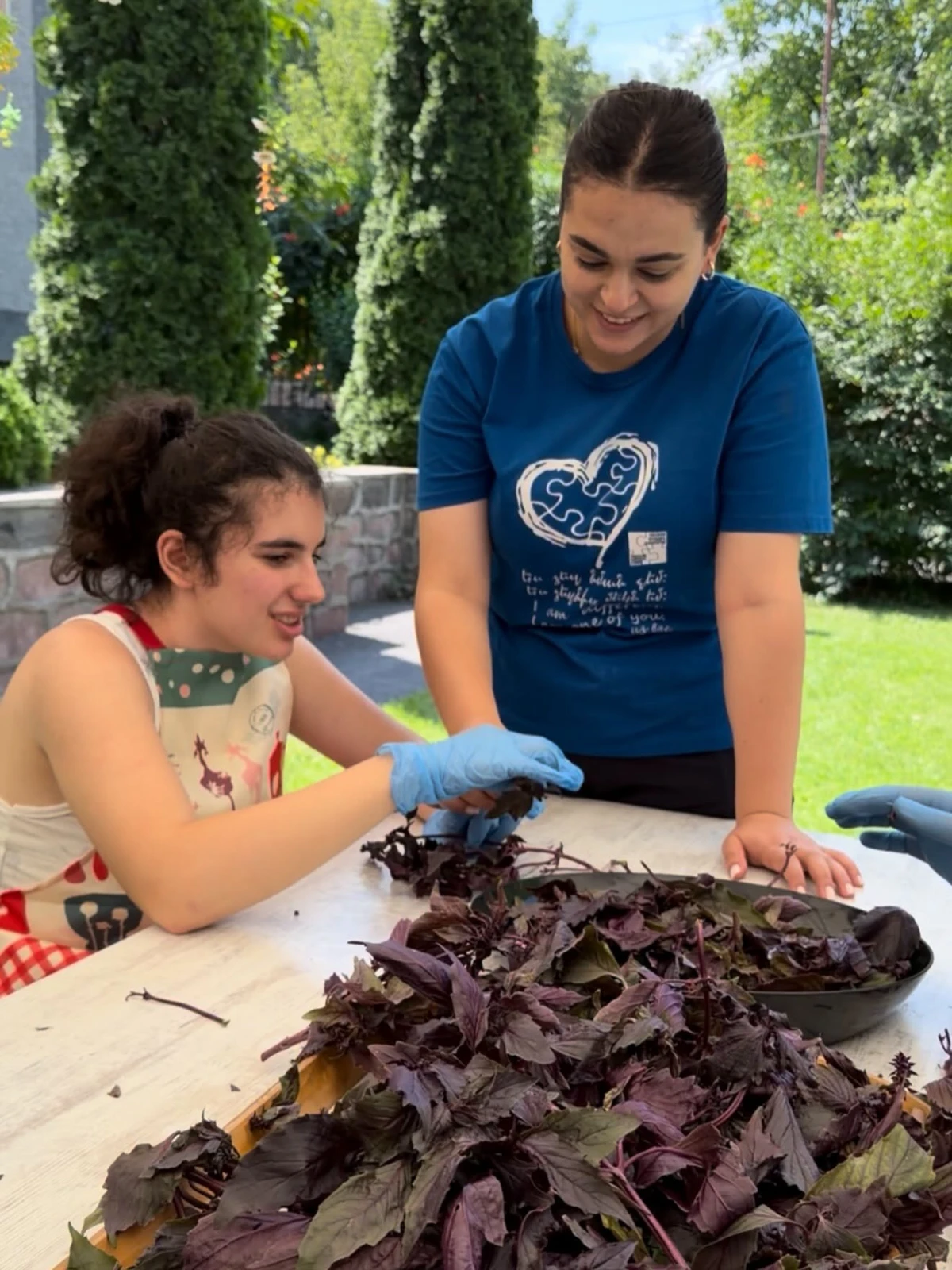
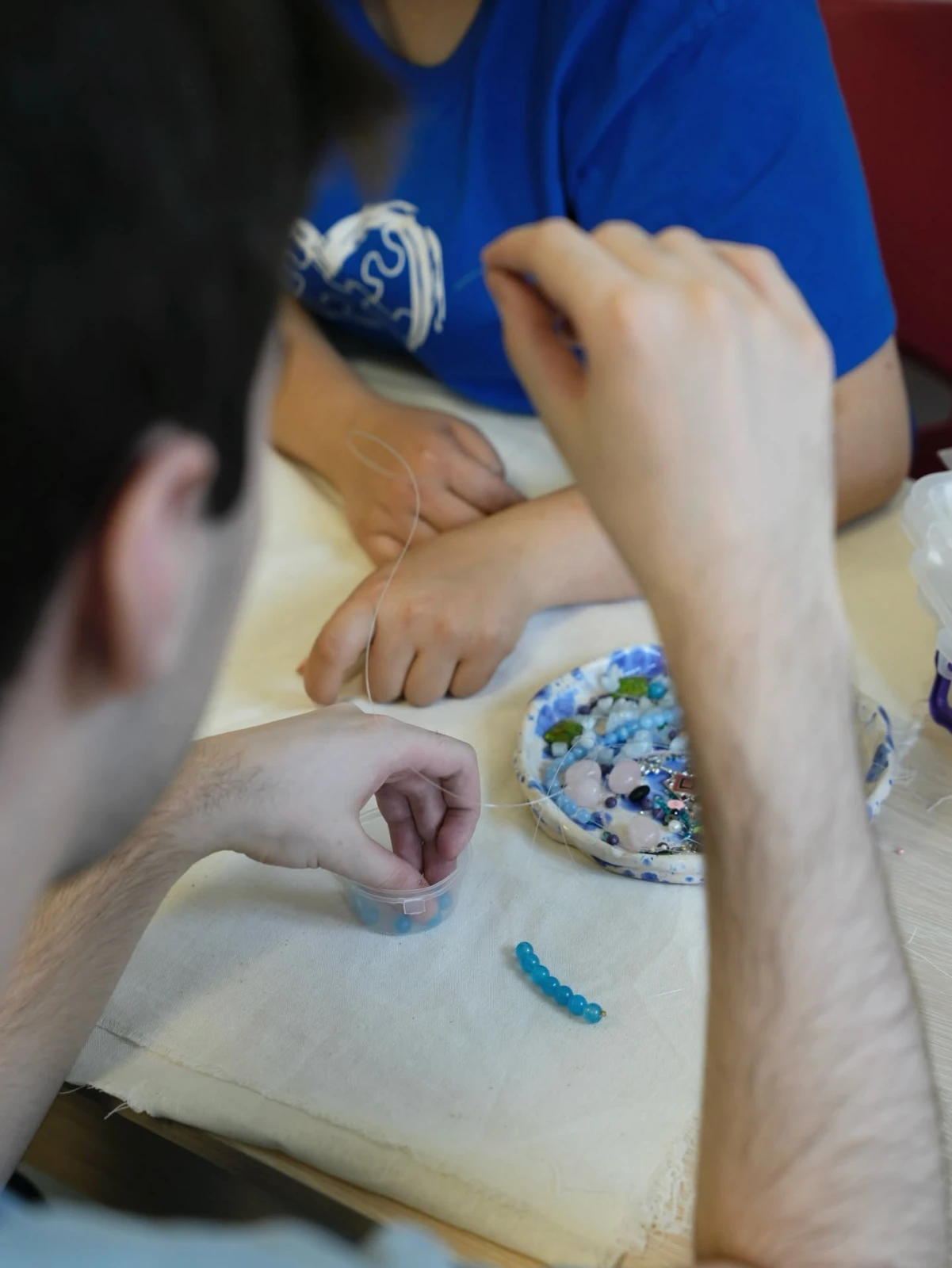
According to Hovsepyan, some children receive fewer therapy sessions than they need, or cannot attend consistently, simply because their families cannot afford them.
Helena knows this problem well.
She pays privately for Davit's therapy so she can access quicker and a larger pool of programs.
“I can't wait six months just so that my child can eventually receive a limited number of therapy hours in one month,” she says.
The expenses add up: therapy, examinations, specialist consultations, transportation and everyday care. Helena says she has sometimes taken out loans to cover Davit's medical expenses.
But the burden is not only financial. Organizing appointments, monitoring development, searching for appropriate specialists and constantly adjusting to a child's needs takes time and energy.
And access often depends on where a family lives.
In Yerevan, parents generally have a greater choice of specialists and rehabilitation centres. In smaller towns and rural communities, options are limited.
Hovsepyan believes expanding state-funded services outside the capital should be one of Armenia's priorities. That also means training enough professionals to work in centres.
Inclusive education
There is another side to Helena's experience, one that shows how much Armenia has progressed.
Davit attends an ordinary public kindergarten in central Yerevan.
Helena remembers walking into the kindergarten for the first time, nervous about telling the director that her son was autistic.
“I said, ‘There's something I need to tell you. My son has autism.’”
The reaction surprised her. The director treated the information almost routinely. The staff had already worked with autistic children. There was no discussion about whether Davit belonged there. The question was how they could help him.
For Helena, sending him to a public kindergarten became one of the best decisions she had made.
“My son isn't going to spend his life in some separate, private society,” she says. “He's going to live among ordinary people, in ordinary society.”
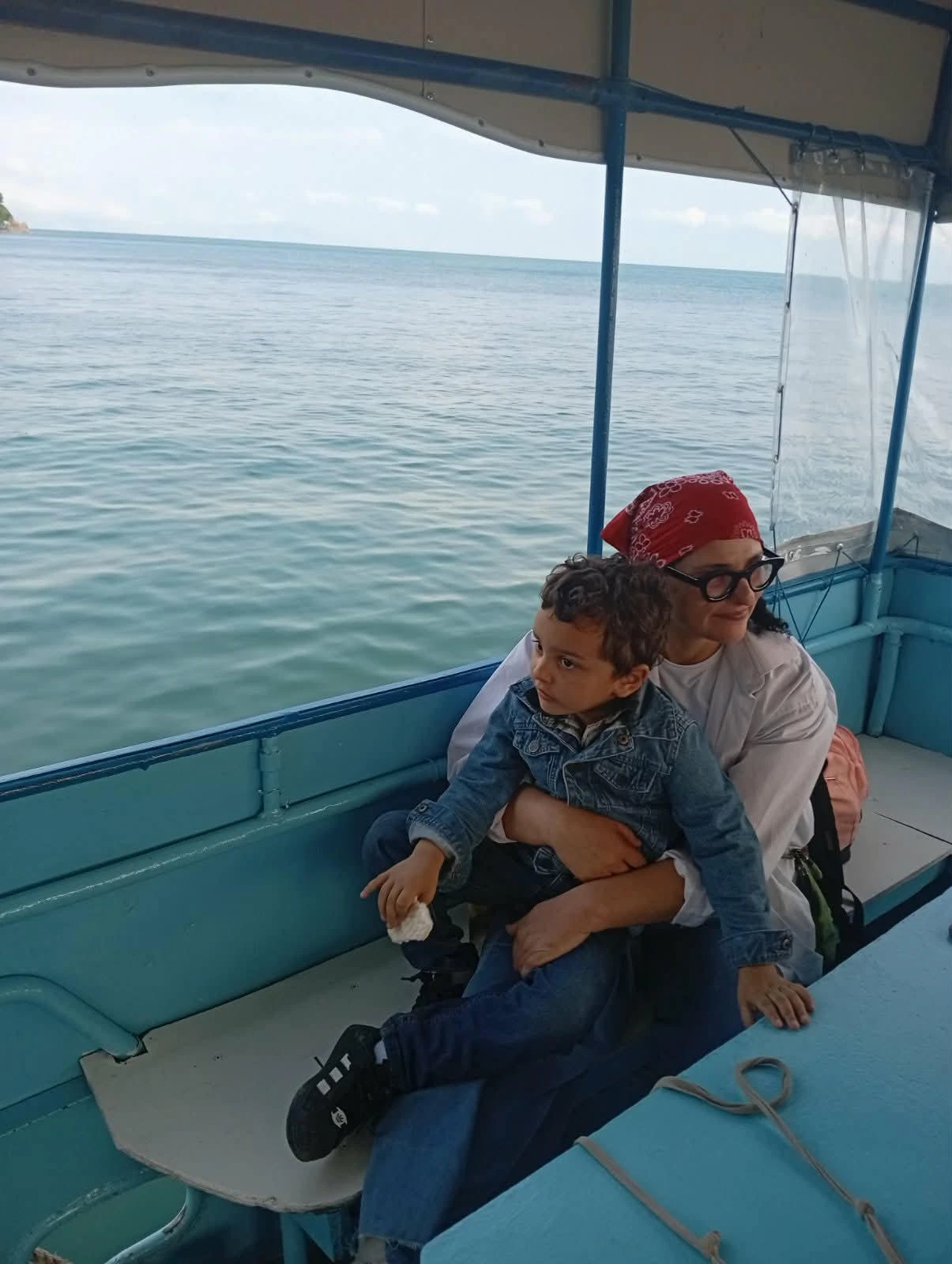
Her experience reflects a broader transformation in Armenia, where inclusive education has expanded considerably. Schools and kindergartens increasingly work with specialists from pedagogical and psychological support services.
In Davit's case, the specialist at his kindergarten even communicates with his private therapist so that they can coordinate their approaches.
But this positive experience is far from universal.
Hovsepyan says the quality of inclusion still depends heavily on the individual institution, the availability of specialists and the preparedness of teachers.
A child may be physically present in a mainstream classroom without genuinely participating in education. Some teachers lack sufficient training to respond to communication difficulties, sensory needs or behavioural challenges.
The challenge, Hovsepyan argues, is no longer simply admitting autistic children to mainstream education. It is ensuring that they can actually learn, participate and feel accepted.
Georgia
About 280 kilometres from Yerevan, in Kutaisi, families are navigating many of the same difficulties.
At Open House, a rehabilitation centre in Georgia's second-largest city, children undergo psycho-developmental assessments. The most common reason parents arrive is speech and language delay. Sometimes the assessment points toward autism; in other cases, developmental delay or another neurodevelopmental condition.
Awareness has clearly increased.
Parents now recognize some widely discussed signs of autism, such as a young child repeatedly not responding to their name, and may seek professional help earlier.
But early enough? Not always.
According to a neuropsychologist working at Open House, only around 10% of children coming for assessment reach the centre before the age of two. Most arrive between the ages of two and four.
Children whose developmental differences are less obvious may be identified considerably later.
And even when a diagnosis is finally established, the difficulties are far from over.
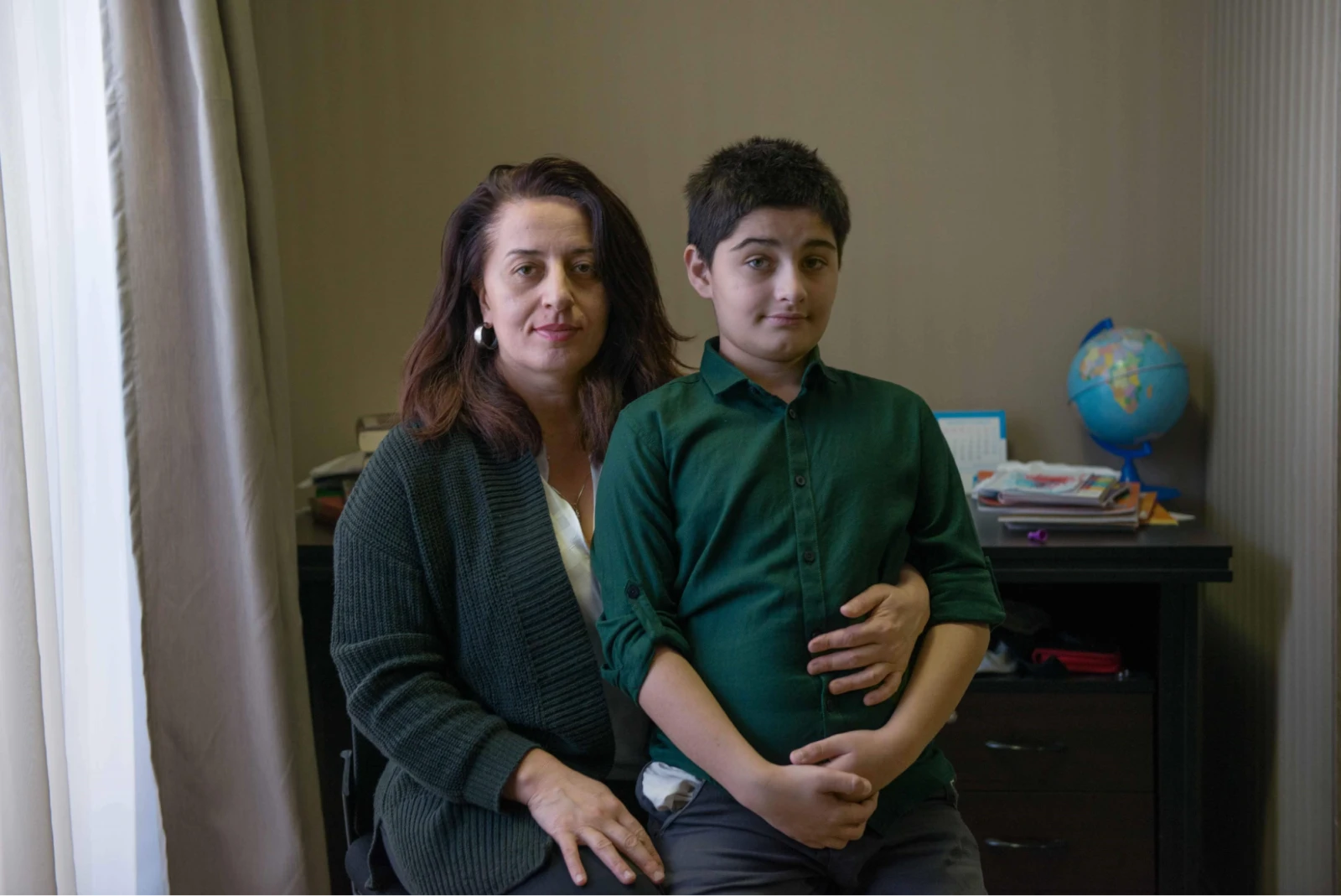
Mari Korkotadze knows this from both sides. She is the mother of Data, an autistic son, and a co-founder of Families Against Discrimination, an advocacy organization established in Georgia in 2015 by parents of children with disabilities.
She says Georgia has developed public programmes that finance certain autism services, but families remain largely responsible for navigating the system themselves.
There is no centralized mechanism to guide parents through the different stages after diagnosis, she explains. They must identify rehabilitation centres, manage waiting lists, collect documents and coordinate therapies.
Social workers, she says, are rarely involved in helping families through this process.
In many cases, it is other parents who provide the missing guidance.
“The only way for a parent to learn about available services and their rights is through parent organizations and activist parents,” Korkotadze says.
Georgia operates state programmes for early intervention and rehabilitation, alongside municipal services specifically targeting autistic children.
At Open House, children can receive behavioural therapy, speech, language, physical, sensory and occupational therapies, psychotherapy, and music or art therapy.
Some interventions take place outside the centre, in homes, kindergartens, schools and community settings.
But the number of publicly funded sessions remains a major concern.
Korkotadze says Tbilisi's municipal autism programme provides 20 hours of therapy per month, with funding worth 450 Georgian lari, for eligible children aged two to 18.
For children under 12, she says, 16 hours are generally allocated to behavioural therapy, while the remaining four can cover other interventions.
More expensive therapies create difficult choices. Sensory therapy, for example, may cost 50 to 60 lari per session, compared with the municipality's standard reimbursement rate of 22.50 lari.
Parents may have to pay the difference themselves or accept fewer sessions within the same budget.
In Kutaisi, the Open House specialist describes a different municipal package of approximately 32 hours per month.
Although the figures concern different local programmes, both specialists point to the same problem: publicly funded hours may be insufficient for children requiring intensive, individualized support.
In Georgia, location determines support
According to Korkotadze, autism programmes and qualified specialists are concentrated in Georgia's larger cities, particularly Tbilisi.
Some families relocate from villages and smaller towns to find appropriate services. But moving does not always solve the problem.
Korkotadze says eligibility for Tbilisi's municipal funding can require three years of registration in the capitals.
Open House also reports difficulties finding qualified staff in both Tbilisi and Kutaisi.
Outside the capital, life beyond therapy remains a problem.
Kutaisi has relatively few extracurricular activities, adapted sports programmes or community spaces where autistic children can develop social skills and spend time with their peers.
A child may spend years learning communication and social skills in a rehabilitation centre, then discover there are few opportunities to use them outside it.
Korkotadze also points to the pressure on parents, especially mothers.
Georgia provides disability-related allowances, but she argues that they fall far short of covering the real costs of therapy and daily care.
Respite services, which would allow parents to leave their children in a safe environment for a few hours, are extremely limited. Day centres are scarce and not always equipped to support autistic children with more complex needs.
Without reliable childcare and support services, some parents have to give up their jobs or reduce their working hours.
Korkotadze says affordable psychological support for parents is another neglected area. Years of financial pressure, constant caregiving and uncertainty can leave families exhausted, while professional help remains difficult to access.
Georgia's inclusive schools struggle with limited resources
Georgia has made substantial progress in bringing children with disabilities into mainstream education.
According to UNICEF, inclusive education was introduced in the country's general schools in 2005. In 2009, only 160 children with special educational needs were integrated into the school system. By 2024, that figure had reached 14,535.
But the expansion has not come with sufficient resources.

Korkotadze says schools and kindergartens often lack special educators, psychologists and assistants. Low salaries make it difficult to recruit and retain qualified professionals, while overcrowded classrooms leave teachers little time to adapt their methods.
Additionally, at times children are isolated because of learning or behavioural difficulties. In other cases, school administrators may suggest that a child would be better placed in a specialized institution because the school is not adequately prepared.
Bullying and social exclusion remain concerns.
This does not mean that every Georgian school fails to provide inclusion. Rather, the experience can vary considerably between institutions.
It is a familiar picture across the region.
In Armenia, Anna Hovsepyan describes similar difficulties with teacher preparation and individualized support. In Georgia, Korkotadze says parents frequently have to intervene themselves to ensure that their children receive the assistance they need.
Moldova
Moldova adds another version of the same story, shaped by a particularly dramatic transformation in the way the country treats children with disabilities.
Less than two decades ago, institutional care played a major role in Moldova's child-protection system.
In 2007, more than 11,000 children were living in residential institutions, according to figures presented by Labor and Social Protection Minister Natalia Plugaru.
By 2025, that number had fallen to 316 children remaining in residential care, many of them children with complex support needs, including severe intellectual disabilities.
The change reflects a broader policy of deinstitutionalization: wherever possible, children should grow up in families rather than institutions.
More than 1,000 children are currently living with around 450 professional foster carers, while almost 300 community-level child-protection specialists have been recruited to identify problems earlier and prevent family separation.
These figures concern the child-protection system as a whole, not autism specifically. But the transformation is relevant to autistic children and others with disabilities.
Moving away from institutional care requires accessible rehabilitation, inclusive education, trained specialists and community services that allow families to care for their children.
And that is where Moldova, like Armenia and Georgia, is still trying to catch up.
According to Moldova's Health Ministry, 1,817 people with autism spectrum disorders were under medical supervision at the end of 2024, including 1,684 children.
The real number may be higher, particularly because access to assessment remains more difficult outside major urban areas.
There are signs that diagnosis and early intervention are receiving greater attention.
In September 2024, Moldova opened its first public centre specifically dedicated to autism spectrum disorders, within the Republican Rehabilitation Centre for Children.
The centre provides free assessment, diagnosis, behavioural intervention and support for parents.
In 2025, it carried out 545 ADOS-2 assessments of children aged one to 17. Of those assessed, 340 were five or younger, while 228 children entered rehabilitation programmes based on individualized plans.
Moldova has also expanded early-intervention services. By 2026, the country had 15 early-childhood intervention centres, which supported 5,151 children and their families during 2025, including children on the autism spectrum.

More centres are planned outside Chișinău. But the numbers also reveal the limitations.
UNICEF has reported that among roughly 12,000 children registered with disabilities in Moldova, only 27% received their first diagnosis before age two, while around 10% benefited from early-intervention services.
These figures concern childhood disability more broadly, rather than autism alone. Nevertheless, they reveal a problem relevant to autistic children: developmental difficulties are still often identified late.
Moldova's inclusive education reforms face a shortage of specialists
Inclusive education became a legally established priority with Moldova’s Education Code, adopted in 2014.
Since then, the country has developed Resource Centers for Inclusive Education within its schools, alongside supporting teachers, speech therapists, psychologists and other services for children with special educational needs.
The country also maintains a dedicated Inclusive Education Fund, which helps finance supporting teachers and resource centres.
Since 2024, the role of psychologist has been introduced in kindergartens, although staffing and implementation remain uneven.
According to figures presented by Moldova's Education Ministry in September 2026, approximately 17,000 children with special educational needs and disabilities attend mainstream educational institutions.
Children who might once have been educated separately are increasingly present in ordinary classrooms.
But, once again, presence and inclusion are not the same thing.
A 2024 UNICEF study conducted with Moldova's Ministry of Education found persistent shortages of specialists and insufficient preparation among teachers working with children with special educational needs.
Autism emerged as a particular challenge. Educators interviewed for the study described lacking the knowledge and practical tools necessary to effectively support autistic children in mainstream classrooms.
The problem is becoming more urgent because the number of children requiring additional support is rising faster than the number of qualified professionals.
Moldova is now trying to intervene earlier.
In April 2026, the Education Ministry approved a pilot methodology for identifying and supporting children with special educational needs and disabilities in kindergartens.
Instead of waiting until a child reaches school and struggles in the classroom, developmental, learning and adaptation difficulties can be identified during preschool years and individualized support developed earlier.
But another worrying transition comes later.
According to the 2024 UNICEF study, around half of children with special educational needs leave education after lower secondary school and do not continue to upper-secondary education.
For autistic teenagers, this raises the same question families in Armenia and Georgia are already asking: what happens after school?
Changing laws is easier than changing attitudes
Across Armenia, Georgia and Moldova, the language around autism and disability has changed considerably.
The emphasis is increasingly on inclusion, independence and participation rather than separation.
Moldova offers a particularly clear example.
In August 2026, the government approved a National Programme for the Social Inclusion of Persons with Disabilities for 2026–2030.
Among its objectives are expanding community services, opening 12 day centres and 40 community-based services, and creating six additional early-intervention centres.
The disability-assessment system is also expected to focus more on individual functioning and support needs rather than relying primarily on diagnosis.
But legislation cannot erase stigma overnight.
The 2024 UNICEF study in Moldova found that some parents still believe children with disabilities should be educated at home or in specialized institutions. Others worry that their presence in classrooms could negatively affect the education of other children.
In Georgia, Korkotadze describes similar attitudes, including discrimination in schools and pressure on families to place children in specialized institutions.
And in Armenia, Helena says some parents remain reluctant to seek formal psychiatric assessments because they fear that an autism diagnosis will become a permanent label attached to their child.
Instead, they may hear reassuring stories from relatives about children who started speaking late and eventually developed more typical skills.
But Helena also mentions inclusive cultural events and initiatives involving people with disabilities in Armenia. Last year, she herself decided to speak publicly about Davit, something she had previously avoided.
“I wanted to be one of those people who isn't afraid to speak publicly about her young child and what he's going through,” she says, “because people need to see where the problems are and understand that these families exist.”
Her experience at Davit's kindergarten shows that acceptance is no longer unusual everywhere.
But across the three countries, the gap between official inclusion and everyday reality remains considerable.
What happens when an autistic child turns 18?
Almost every conversation about autism eventually reaches the same uncomfortable point.
Childhood ends.
In Armenia, Anna Hovsepyan identifies adulthood as one of the largest gaps in the support system.
There are day programmes, vocational initiatives and some community-based living options, but not enough to provide continuous assistance for everyone who needs it.
Families often face uncertainty about employment, social participation and independent living.
In Georgia, Korkotadze describes the transition even more starkly.
“When a young person turns 18, state and municipal children's programs are terminated, and they are practically left in a ‘vacuum,’” she says.
According to her, adapted vocational training, supported employment and independent-living services remain extremely limited.
Some adult social services exist, but she argues that they do not provide a reliable support system for autistic people, particularly those requiring substantial assistance.
Parents therefore continue providing care well into their children's adulthood.
And as they grow older, another question becomes increasingly urgent: who will look after their children when they no longer can?
Korkotadze warns that the lack of community-based adult services can leave people with substantial support needs at risk of institutional placement if their families are no longer able to care for them.
Parents and advocacy organizations have tried to create alternatives themselves.
She points to Colorful City, a proposed National Autism Center in Georgia, where several cottages have already been constructed. According to Korkotadze, however, the project has not secured the public funding needed to develop the services its founders envision.
Moldova has taken steps toward a broader community-based model.
Its 2026–2030 disability-inclusion programme aims to expand day centres, community services and support for independent living.
But the country's education figures also show how difficult the transition can be. When many children with special educational needs do not continue beyond lower secondary school, their future opportunities may already be limited before adulthood begins.
The problem is therefore not unique to one country.
Armenia, Georgia and Moldova have all made progress in identifying autistic children and providing support during childhood. But a system built mainly around children cannot fully respond to the needs of people who will be autistic throughout their lives.
Recognition is improving. Support must follow.
The three countries have taken different paths.
Armenia has expanded public rehabilitation and inclusive education, while families continue to struggle with shortages of specialists and the cost of additional therapy.
Georgia has developed state and municipal autism programmes, but parents describe a fragmented system where access depends heavily on geography, money and their own ability to navigate services.
Moldova has undergone a major transformation, moving away from institutional care and introducing new early-intervention and inclusive-education programmes. Yet specialist shortages, late identification and uneven implementation remain serious obstacles.
Across all three countries, one conclusion emerges: recognizing autism earlier is important, but diagnosis alone does not guarantee meaningful support.
Families need accessible services, qualified professionals, inclusive schools and communities where autistic people can participate in ordinary life.
And support cannot stop when childhood ends.
For Helena Melkonyan in Yerevan, these questions are already part of everyday life, even though Davit is only four and a half.
For now, his days revolve around kindergarten, books, letters, therapy and learning to do more things independently.
She wants him to grow up among other children, not separated from them. She wants him to experience the ordinary world because that is the world he will eventually have to navigate.
But behind the daily progress, there is one question she cannot escape.
“What will happen to my child when I'm no longer here?”
It is a question shared by parents in Armenia, Georgia and Moldova.
And perhaps it is the clearest measure of what these countries still need to achieve: not simply recognizing autistic children, but building societies in which they can grow up, participate and live with dignity, including when their parents are no longer there to support them.


 Stories