By Geghetsik Voskanyan
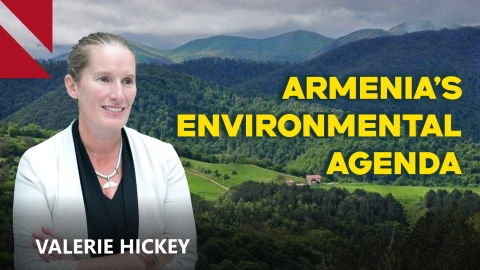
Armenia can lower household energy bills, protect rural livelihoods and create jobs by investing in energy-efficient housing, water management and a stronger electricity grid, World Bank Group Environment Director Valerie Hickey told CivilNet.
Speaking ahead of the United Nations biodiversity conference in Yerevan, Hickey said environmental protection is fundamental to economic growth in a country whose agriculture and tourism depend on healthy landscapes and reliable water supplies.
“Nature is an engine of jobs and GDP,” she said in the interview.
Armenia will host COP17, the 17th meeting of the parties to the U.N. Convention on Biological Diversity, from October 19 to 30. The conference puts biodiversity on the national agenda, alongside questions about how Armenia should finance its environmental transition.
The World Bank estimates that Armenia needs about $8 billion in investment between 2025 and 2060 to pursue a resilient, low-carbon development path. Hickey challenged the idea that this should be viewed primarily as a financial burden.
“Investing in a green economy is not a cost. It really is an investment,” she said. “It’s something that’s going to be good for public sector budgets, for private household costs, for businesses and their profits, and for the planet.”
That investment would involve farmers improving water management, governments and businesses developing electric transport, and companies entering markets such as electric-vehicle charging infrastructure, she said.
For Armenia, the economic value of nature extends beyond conservation. Landscapes help attract tourists and encourage longer stays, while water supports horticulture, livestock farming and industries such as brandy production.
“Without water as natural infrastructure, those jobs simply won’t be there,” Hickey said.
Asked to identify two green investments that could deliver measurable economic returns over the next decade, she prioritized residential energy efficiency and water infrastructure.
Housing consumes almost a third of Armenia’s energy, she said. Better insulation, modern heating and cooling systems, and access to solar power and storage could reduce bills while creating demand for new products and skilled workers.
Building certification could also help mortgage lenders identify homes with lower operating costs, creating opportunities to finance more efficient housing.
“They can take that money and invest it in their own businesses, in education, in other things,” Hickey said of families spending less on heating and cooling.
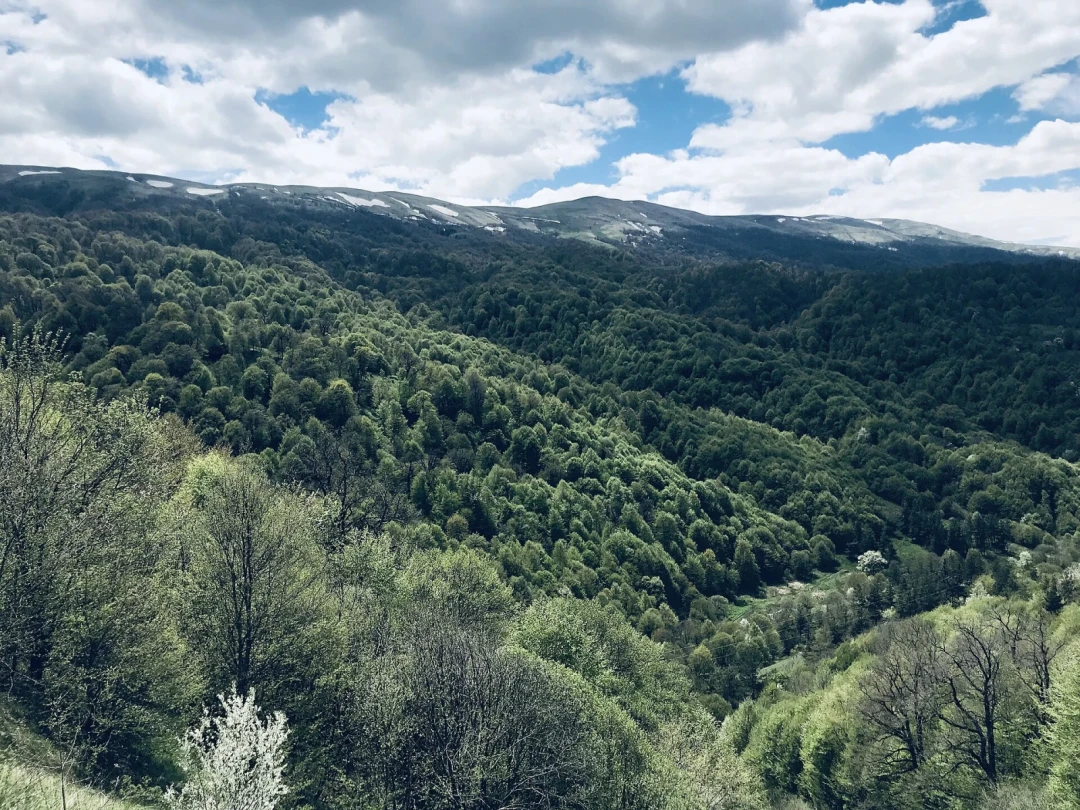
The connection between energy affordability and conservation is particularly important in rural Armenia, where households’ reliance on firewood puts pressure on forests. Affordable heating alternatives and more efficient homes can help address both household needs and forest degradation.
Water investment, meanwhile, should include protecting the ecosystems that regulate supplies, Hickey said. Forests help store and clean water, supporting agriculture, tourism and industry.
Armenia’s expanding solar capacity offers another economic opportunity, but installing panels is only the beginning of the transition, she said.
With imported natural gas accounting for almost 63 percent of Armenia’s energy mix, international price shocks can raise household bills and squeeze business profits.
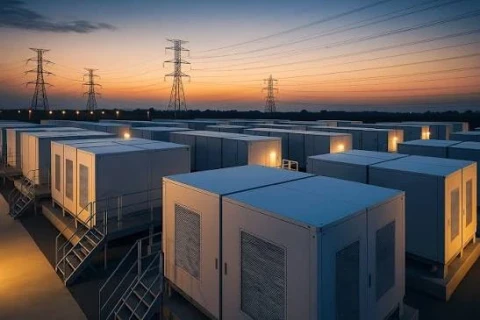
To benefit fully from solar generation, Armenia needs stronger transmission and distribution networks capable of handling variable electricity production.
Hickey said these investments would help existing businesses withstand climate pressures while allowing Armenia to compete in emerging industries.
“It really is about investing in making sure that the current businesses in Armenia continue to grow and are resilient against the adverse impacts of climate change,” she said.

 Stories