By Siranush Adamyan
Armenian exporters trying to enter the European market face obstacles ranging from logistics and international competition to finding buyers and supplying orders at the scale large customers require.
The European Union has suspended import duties for two years on goods accounting for around 80 percent of Armenia’s exports to the bloc. The preferential regime took effect on Oct. 10, while benefits for eight agricultural products are subject to annual quotas.
The measure comes as Armenian exporters face growing uncertainty in Russia, traditionally one of the country’s main markets. Moscow has imposed restrictions on a range of Armenian goods since May, with further bans introduced in June, citing violations of sanitary and other requirements. Many in Armenia, however, have described the restrictions as politically motivated.
Exporters interviewed by CivilNet welcomed the EU tariff relief but said lower duties alone would not be enough to establish Armenian products in a highly competitive market.
Russian restrictions expose transport challenges
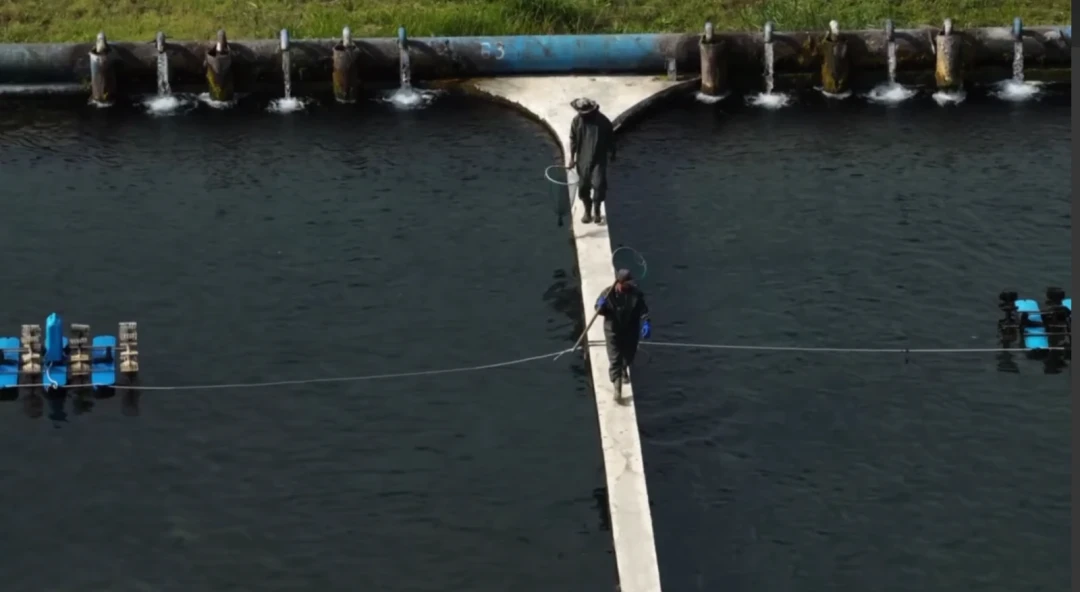
Max Fish, one of Armenia’s major fish producers, is among the companies looking for new markets after encountering restrictions in Russia.
Company director Armen Karapetyan said Max Fish had tried to ship fish through Turkey to Romania, as well as to Ukraine and Moldova. But the issue of a transit permit was not resolved and the shipments were returned. The company was also unable to send them through an alternative route.
Even if transport problems are resolved, Armenian fish producers face another challenge: competition.
Gor Grigoryan, president of Armenia’s Fish Farmers Union, said Armenian producers would have to compete with countries such as Norway, which has a powerful and well-established fish industry.
“We need to enter the market and study it,” Grigoryan said, adding that Armenian producers might have a better chance with processed fish products.
Also read: Armenia can now export to EU, but getting goods there is another problem
Artyom Tadevosyan, director of Gourmet Lab, which produces preserves and dried fruit, said Armenian products were still little known to European consumers. In post-Soviet countries, consumers are already familiar with Armenian dried fruit and preserves, but that recognition has yet to be built in Europe.
Tadevosyan said Armenian businesses should focus on distinctive products that are unavailable in the EU or produced there only in limited quantities.

“We should enter with Armenian products, not tomatoes, cucumbers or peppers that are produced in every EU country,” he said. Preserves, sweets and other distinctive Armenian products offered better opportunities, he added, but building a market presence would take decades.
EU ambassador: Zero tariffs are not enough
EU Ambassador to Armenia Vassilis Maragos told CivilNet in written comments that the aim of the preferences was to help Armenian agricultural producers and companies find new buyers and diversify the Armenian economy.
He described the two-year period as an opportunity that Armenian businesses should use fully, but said suspending tariffs was not enough on its own.
“Consistent compliance with EU standards, ensuring reliable supply volumes and building long-term relationships based on trust with European partners are crucial,” Maragos said. “Long-term success requires both well-prepared businesses and a supportive institutional environment.”
There is no single route to success, he said. Some Armenian companies may be able to distinguish themselves with unique products, while others may need to cooperate to provide the volumes European buyers require.
The EU is also helping Armenia strengthen its ability to meet European requirements, including through support for establishing and accrediting laboratories so that product safety tests are considered reliable.
Pierre Bontono, a representative of the International Trade Centre, said exporters needed safe products, consistent quality, competitive pricing and appropriate packaging. But those conditions alone did not guarantee success.
Armenian producers also needed to differentiate their goods from competitors and explain what made their products distinctive.
Apart from wine, Armenia still has limited international recognition for its agricultural and food products, Bontono said.
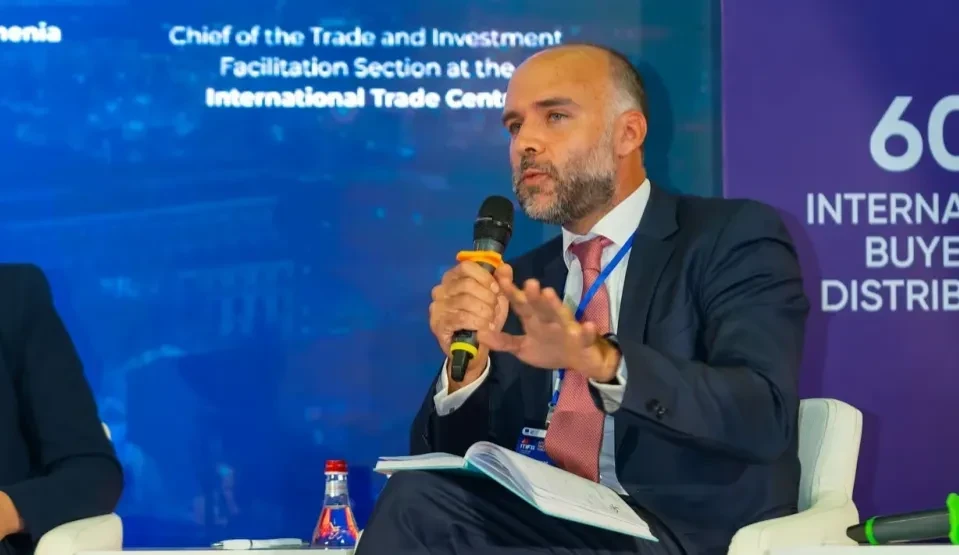
“This can be seen as a disadvantage, but at the same time it is an opportunity to tell the story of your country and your products,” he said.
Producers could compete either through lower prices and large volumes or by emphasizing quality, distinctive features, origin and the story behind a product, he added.
Ljiljana Rsumovic, a trade policy adviser at Sweden’s National Board of Trade, said packaging and labeling requirements were also important when exporting to the EU. Those requirements were not simply about making products attractive to consumers but about complying with European regulations.

Standards can be met, but buyers are harder to find
Requirements differ depending on the product. For food exports, rules on origin, safety standards and control procedures can all apply.
Arthur Mamikonyan, a representative of Armenia’s Food Safety Inspection Body, said registration and compliance checks through the European Commission’s TRACES system apply to certain products of animal origin, including fish and honey.
Four Armenian fish producers and two honey producers are currently registered in the system.
Some buyers may also require additional certifications. GlobalG.A.P. certification, for example, can be required for fresh fruit and vegetable suppliers, particularly when working with major retail chains.
Armenia has had preferential access to the EU market before. Until 2022, the country benefited from the EU’s GSP+ scheme, which reduced or eliminated tariffs on certain products.
Deputy Economy Minister Tigran Gasparyan said that opportunity did not generate the expected increase in Armenian exports to Europe.
One problem is scale. Large buyers often demand substantial quantities and clearly defined payment conditions that not all Armenian producers are able to meet.
Gasparyan said one government priority was to determine how export-oriented production could be consolidated and how Armenian companies could cooperate with large suppliers entering the local market.
The problem is particularly acute for small producers.
Deputy Foreign Minister Vahan Kostanyan said small businesses needed either to pool their capacity or work with larger producers.
“Exporting one truckload to the European Union is not realistic,” Kostanyan said. “A certain volume, quality, delivery time and frequency are required.”
He said some consolidation among Armenian businesses was necessary, with smaller producers potentially exporting through larger companies.
International trade expert Karen Azaryan said small and medium-sized businesses also needed practical government support to understand export procedures and take advantage of the new preferences.
Armenia lacked an institution that actively guided exporters through the process, he said.
“What we are missing is an institution that would deal with export promotion, take businesses and give them guidance,” Azaryan said. He added that despite working in the field, he was not aware of any publicly available step-by-step guide explaining how businesses could use the new opportunity.
Also read: Russian restrictions hit Armenia’s agricultural exports, World Bank says
Exporters interviewed by CivilNet said complying with EU requirements and obtaining additional certifications was not their biggest difficulty. Finding buyers was.
Tadevosyan said the government should provide as much support as possible to producers and processors so they could establish stable sales and repay loans and leasing obligations.
He estimated that building substantial export volumes in Europe could take four to five years. The EU tariff preferences, however, are scheduled to last only two years.
Producers need time to develop contacts with buyers, create demand and secure regular orders, he said.
For some businesses, the pressure is already severe. One exporter told CivilNet that the company had put its greenhouses up for sale because export restrictions had made it impossible to continue operating.


 Stories