 Civilnet
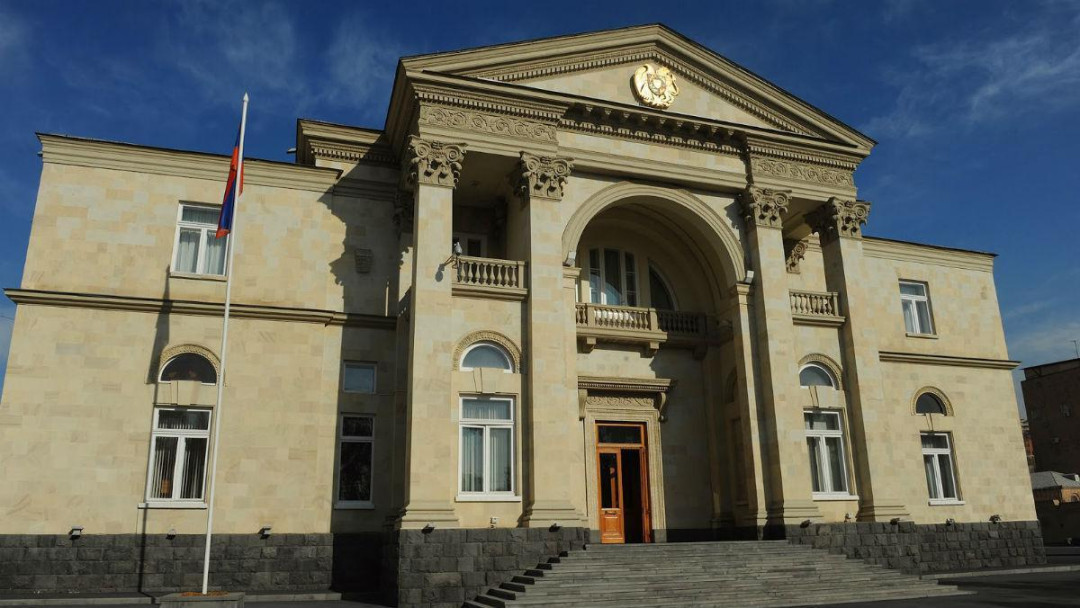
Armenia’s new Prime Minister Nikol Pashinyan announced that the former Presidential Palace, known by its address as Baghramyan 26, will be returned to the country’s president.
The issue of Baghramyan 26 became an important topic of demonstrations during Armenia’s Velvet Revolution that resulted in the resignation of ex-Presdent turned Prime Minister Serzh Sargsyan.
Amid growing protests that begin in March of 2018 against former President Serzh Sargsyan, on April 2, Sargsyan’s government formally privatized the state-owned presidential residence. The house that presidents had and would have continued to occupy would belong to Sargsyan and his family in perpetuity – inside the same compound in which, by law, live the country’s top leadership. The decision intensified already growing protests against Sargsyan. Critics claimed the move proved that Sargsyan aimed to hold on to the post of the prime minister without an end in sight.
Armenia’s 2015 constitutional changes made the role of the prime minister more prominent leaving the president with a ceremonial role. Thus, Sargsyan’s decision aimed to show that the leader of the country sits at Baghramyan 26.
Two days after his election as prime minister, on April 19, at his first and last government session, Sargsyan announced that he will decline the government’s offer to privatize the state-owned presidential compound, as a result of public protest and criticism.
At the new government's June 28 session, Pashinyan said that the prime minister will give up his residence at Baghramyan 26. "We have not at forgotten what we ourselves have criticized," he said.
According to Pashinyan, the residence of the prime minister should be Government House 1 located in Yerevan’s Republic Square, where Armenian leaders have worked from since the Soviet era.



 Stories