 Civilnet
 By Syuzanna Petrosyan
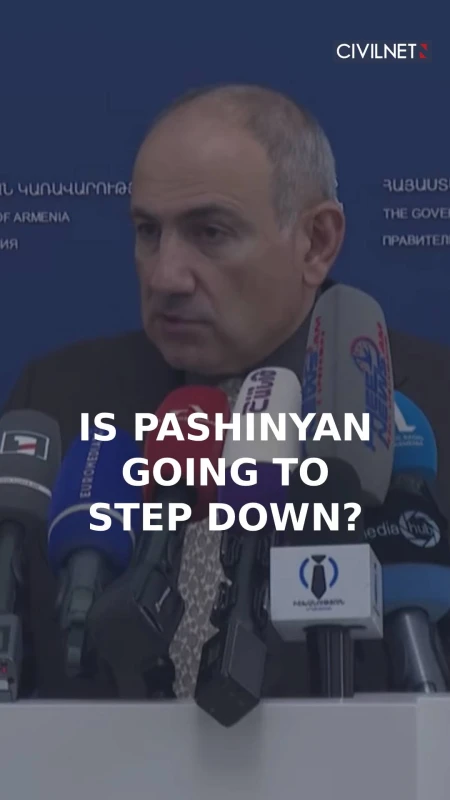
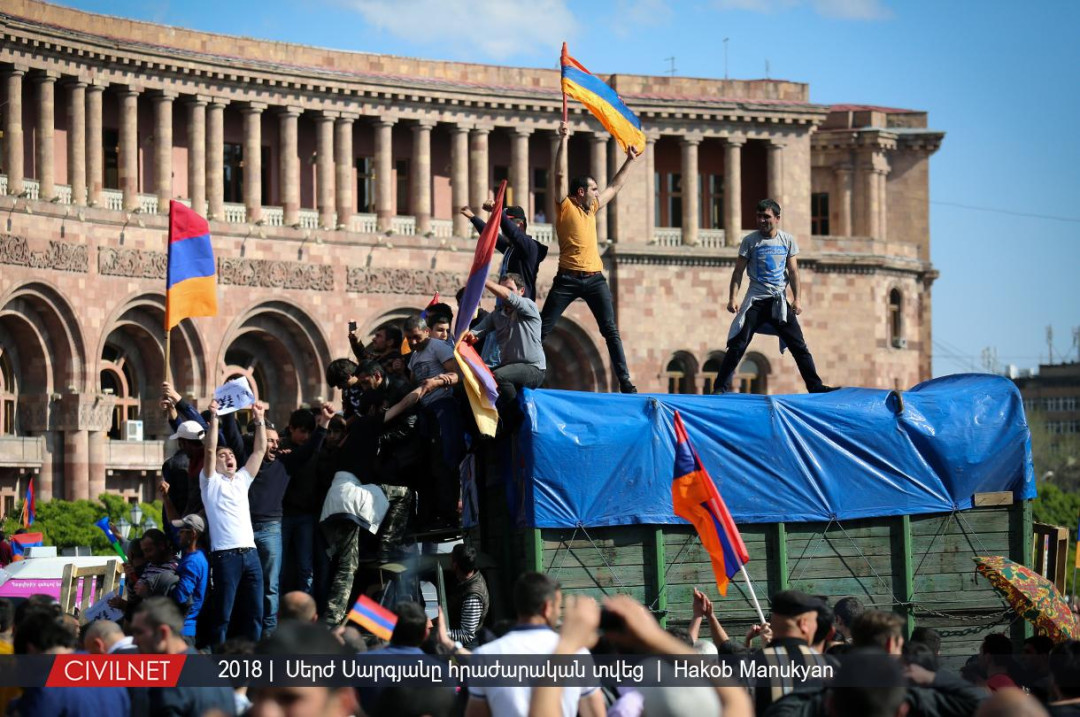
The Nikol Pashinyan-led movement which called to #RejectSerzh succeeded and Armenia’s former president turned prime minister Serzh Sargsyan resigned.
The Nikol Pashinyan-led movement is still focused on the goal to #RejectHHK – to remove the Republican Party of Armenia’s monopoly hold on power.
Although it is unclear what Armenia’s future holds in the coming days, weeks, years, the impact of this movement on the Republic of Armenia has been manifold. I keep hearing myself say,
“If nothing else, this movement has brought…”
CIVIC EDUCATION: Since April 13, the leaders of the movement have been involved in not only mobilizing and inspiring the population, but at every step of the way they have been teaching. This has been a process of civic education, a new understanding of the fact that civic activism requires civic education. This moment was captured on May 1, when the entire population at home, at work, or gathered in Republic Square listened to the 10-hour-long Special Session of the National Assembly to elect a prime minister.
INTERNATIONAL ATTENTION: One of the more remarkable aspects of this movement is its peaceful nature, and the world noted this. Nearly 100 international journalists have been roaming around Yerevan’s Republic Square to document a first-of-its-kind people’s movement in the post-Soviet space.
SOCIAL ORGANIZATION: The movement’s leadership admits that the scale and reach of this movement was unprecedented for them as well as for the entire nation. That villages and towns, social, vocational, and educational groups can self-organize within days showed that there existed not only huge amounts of brewing frustration but also a will and determination to be a part of change. There is a realization Armenians must take ownership of their country fully, with its good parts and its challenges. The movement showed Armenian citizens that they must be the leaders of their drive for change.
POLITICS WITHOUT GEOPOLITICS: It is not without reason that at the start of the movement, many assumed this was the beginning of another color revolution in Eastern Europe. But very quickly, it became clear that this is not at all about the geopolitics of Russia and the West, that Armenians can tackle their domestic challenges with their own internal solutions.
DIASPORA: In the Diaspora, years of misconception about the inability of Armenia’s citizens (and Armenians generally) to have agency in their future has been broken. In addition, communities all around the world rose up to support democracy in Armenia with protests that could only be compared to April 24 demonstrations for the commemoration of the Armenian Genocide. Does this mean this movement will bring the Republic of Armenia to a more central role in the Diaspora? And the reverse – will the Diaspora take real steps to engage with Armenia?
You can follow Syuzanna Petrosyan on Twitter.


 Stories