 Civilnet
By Lia Avagyan
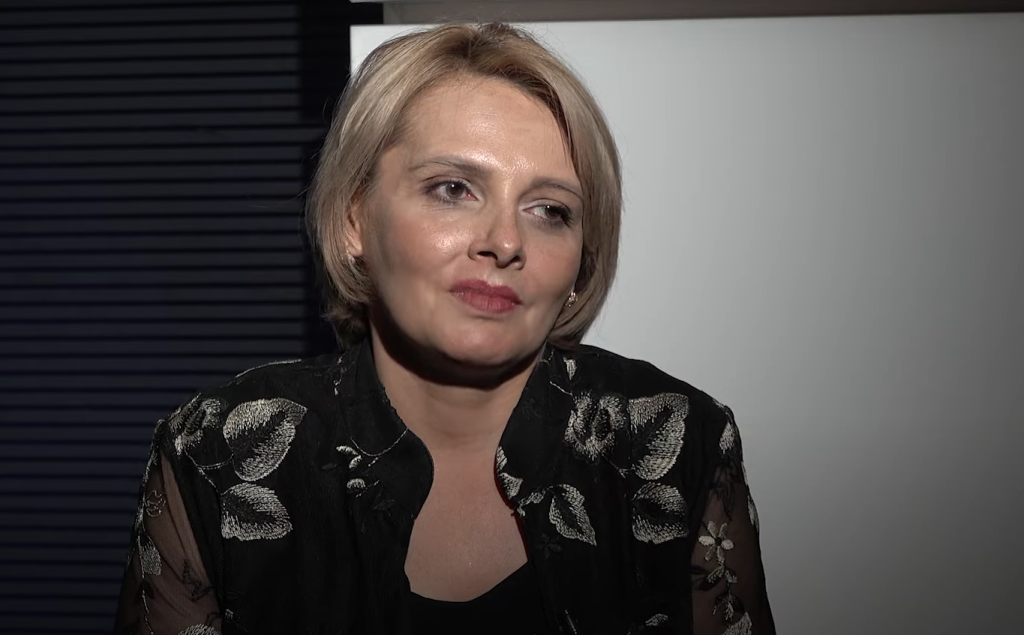
When Christine Aghasyan's eight-year-old daughter watched her mother's hair fall out, neither tears nor despair followed. Instead, there was an extraordinary display of family solidarity. Christine's son shaved his head, silently declaring they would face this journey together.
"I underwent eight courses of chemotherapy," Christine recalls. "It was difficult, but my two children gave me strength."
Two years ago, Christine received her stage II breast cancer diagnosis. Like many patients, her initial reaction was fear. "After the tests revealed a malignant tumor, I was terrified and felt hopeless, thinking about the fatality of the disease," she shares. Yet, after emerging from the initial shock, Christine found her inner warrior.
"I realized that no disease could be stronger than me." Today, following multiple chemotherapy sessions and surgery, she lives a full life, overcoming the battle that thousands of Armenian women face each year.
Stories like Christine's are becoming more common in Armenia, where 1,000 to 1,400 new breast cancer cases emerge annually. The disease currently ranks as the country's most prevalent malignant tumor, with 1,511 cases reported in 2024. Behind these numbers lies a community of 14,632 patients fighting breast cancer, of whom nearly 100 percent are women.
The medical landscape has shown promising changes. Five years ago, doctors discovered 30-35% of cases at stage IV - the most advanced stage. Today, that number has dropped significantly to 15%, suggesting earlier detection and growing awareness.
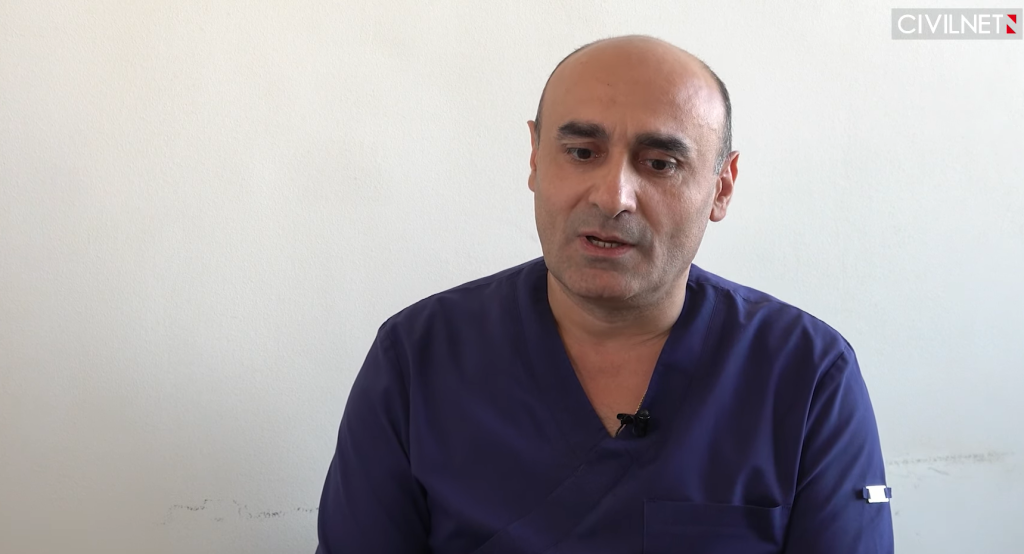
However, new challenges have emerged. Dr. Artyom Simonyan from the National Oncology Center notes a concerning trend: as in the rest of the world, the disease is increasingly affecting younger women. "Fifteen years ago, we rarely saw patients under 40. Now, unfortunately, we're diagnosing much younger women," he explains.
While some cases stem from genetic predisposition, others are linked to lifestyle choices such as alcohol consumption and smoking. Yet many cases develop without clear risk factors.
Armenia's healthcare system has responded with significant policy changes. Since 2019, the government has provided free surgical care for malignant tumors to all, regardless of social status. In 2020, this support expanded to include expensive medications for women in stages 1-3 of breast cancer, according to Ministry of Health representative Knar Ghonyan.
These local efforts mirror a global battle. The World Health Organization reports that breast cancer claimed 670,000 lives worldwide in 2022. While predominantly affecting women, up to one percent of cases occur in men.
Armenia faces crucial challenges in expanding prevention programs, increasing access to regular screening, and developing comprehensive support systems. The declining rate of late-stage diagnoses offers hope, but the rising incidence among younger women demands more rigorous preventive measures.
Watch the story in Armenian.





 Stories