 Civilnet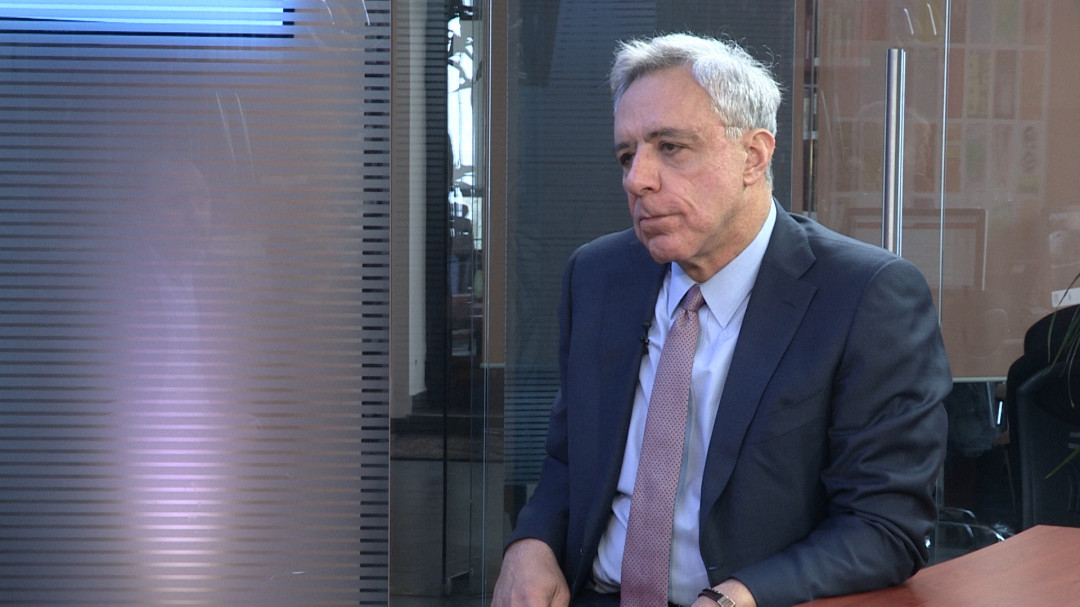
Op-ed by Vartan Oskanian, Armenia’s former foreign minister (1998-2008)
The geopolitical landscapes of Armenia and Ukraine may seem worlds apart, yet the trajectories of these two nations reveal striking parallels. Both countries, at pivotal moments in their histories—facing territorial conflicts and difficult geopolitical choices—placed their futures in the hands of leaders with minimal experience in international diplomacy. Nikol Pashinyan, a journalist-turned-populist politician in Armenia, and Volodymyr Zelensky, a former comedic actor who assumed Ukraine’s presidency, rose to power on waves of public discontent and promises of sweeping reform. However, their lack of diplomatic expertise, limited worldviews, and impulsive decision-making have led to dire consequences: prolonged conflicts, significant territorial losses, and a steep decline in both domestic and international credibility.
Ukraine’s ongoing war with Russia and Armenia’s 44-day war with Azerbaijan might have been avoided or unfolded differently with seasoned, strategic leadership at the helm. Instead, both leaders have pursued policies and rhetoric that, while resonating domestically, have made these conflicts seem inevitable. As Armenia and Ukraine struggle with the repercussions of these choices, a critical question arises: can these leaders steer their nations toward peace, recovery, and reconciliation, or does this journey demand new leadership?
A profound obstacle facing leaders who have guided their countries into devastating conflicts is the collapse of credibility. When a leader’s missteps lead to widespread suffering, public trust erodes rapidly. This credibility deficit makes diplomacy exceedingly difficult, weakening the social cohesion needed to sustain recovery. In Armenia, Pashinyan’s failure to defend Nagorno-Karabakh and Armenian territories against Azerbaijani incursions has left allies and citizens alike skeptical of his competence and motives. In Ukraine, while Zelensky initially attracted robust international support against Russian military actions, the protracted nature of the conflict is beginning to raise questions about his ability to negotiate a sustainable peace. This erosion of trust has tangible implications, complicating both leaders' efforts to secure the crucial domestic and international backing required for a path toward peace.
History demonstrates that genuine peace necessitates a change in leadership, particularly when a nation has suffered profoundly under the current regime. Leaders who have presided over catastrophic wars may find it difficult, if not impossible, to admit mistakes and misjudgments, let alone negotiate meaningful outcomes. By contrast, new leaders arrive without the encumbrance of past failures, bringing flexibility and openness to diplomatic negotiations. They offer a fresh start, not only in international relations but also in healing fractured societies at home.
Additionally, leaders tied to devastating conflicts often struggle to pivot effectively, frequently doubling down on flawed strategies to reclaim control. This risk is particularly pronounced when leaders face mounting public dissatisfaction; desperation can lead to increasingly reckless or authoritarian approaches. Indeed, both Pashinyan’s and Zelensky’s responses to conflict have displayed an alarming failure to adapt to their nations’ grim realities. In Armenia, faced with ongoing pressure and the threat of new aggression from Azerbaijan, Pashinyan has resorted to revisionism of Armenian history and to pleading for peace. His approach, lacking strategic depth, emboldens Azerbaijan to press its advantage, knowing the Armenian side is unwilling or unable to mount a meaningful resistance. Meanwhile, in Ukraine, Zelensky, with his country on the brink of collapse, has chosen to double down on a strategy of escalation, asking for and receiving consent to strike deeply into Russia with American long-range missiles, hoping to force Russia to the negotiating table and concessions.
In both cases, the continued leadership of these figures risks deepening their countries’ uncertainties. A nation scarred by war requires more than just political and diplomatic solutions; it also requires social reconciliation and a genuine healing process that addresses longstanding grievances and divisions. Leaders associated with causing or exacerbating these divides are often ill-suited to foster the unity necessary for rebuilding. For Armenia and Ukraine, this challenge is particularly acute, as their leadership faces intensifying criticism and, in the case of Armenia, also public unrest over wartime misguided policies.
For Armenia and Ukraine to heal, stabilize, and rebuild their reputations on the world stage, a change in leadership is indispensable. Fresh leadership will provide an opportunity for just peace and stability, unburdened by the legacy of past failures, opening avenues for more effective engagement with allies and rebuilding trust within the citizenry.


 Stories