 Civilnet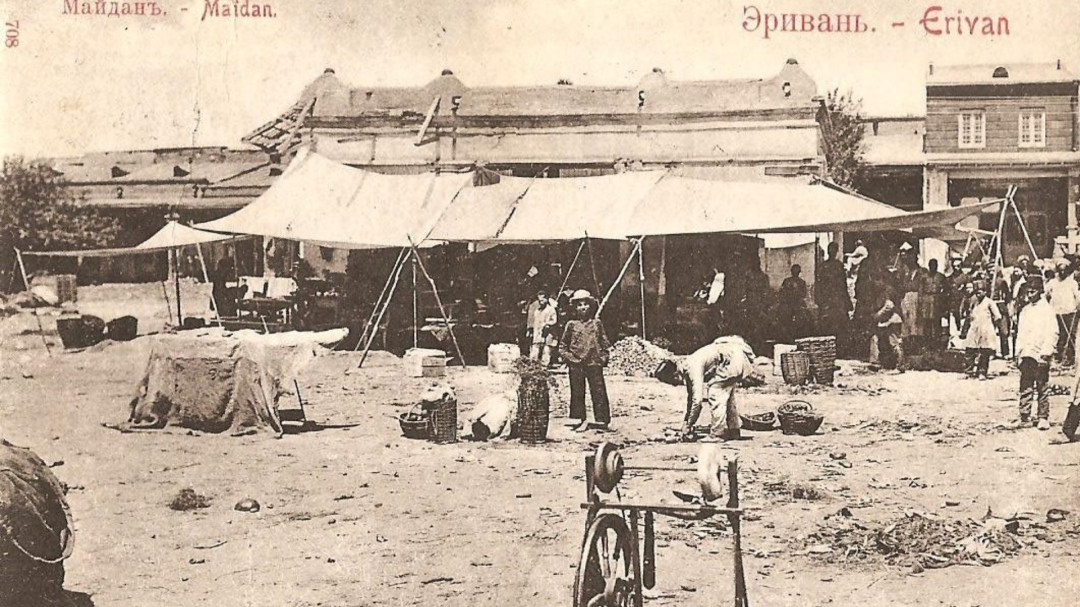
By Alexander Pracht
Although the history of Armenian photography dates back to the 1850s, it was primarily centered in Western Armenia, Georgia, and Palestine where renowned Armenian photography studios flourished. Among them were the famous Abdullahyan brothers in Constantinople, who became official photographers to the Ottoman Sultan, and the photography school established by Yessai Garabedian at the Saint James Monastery in Jerusalem.
In Eastern Armenia, the first photo studios appeared in the 1870s, and they primarily focused on commissioned portrait photography. As a result, while there are many surviving photographs of pre-Bolshevik Armenia, they remain relatively scarce compared to those from Western Armenian centers
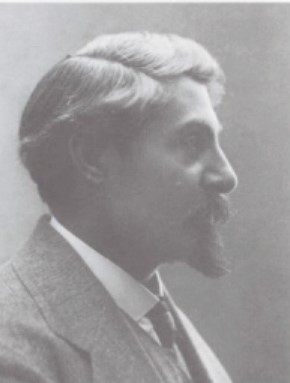
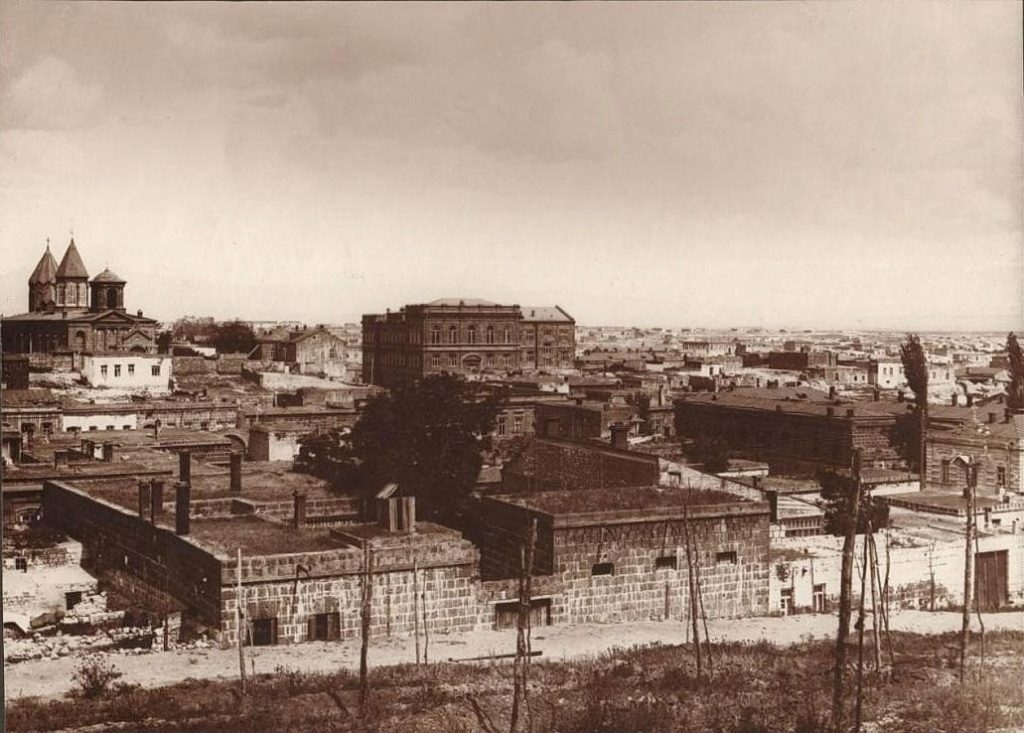
One of the first photographers to establish a studio in Yerevan was Gegham (Kegham) Tarverdyants, also known as Tarverdyan. His work presents a visual record of Yerevan in the early 1900s, showcasing the city’s dramatic transformation under Soviet rule, which grew from a provincial town of 30,000 residents into a bustling capital with a population exceeding one million.
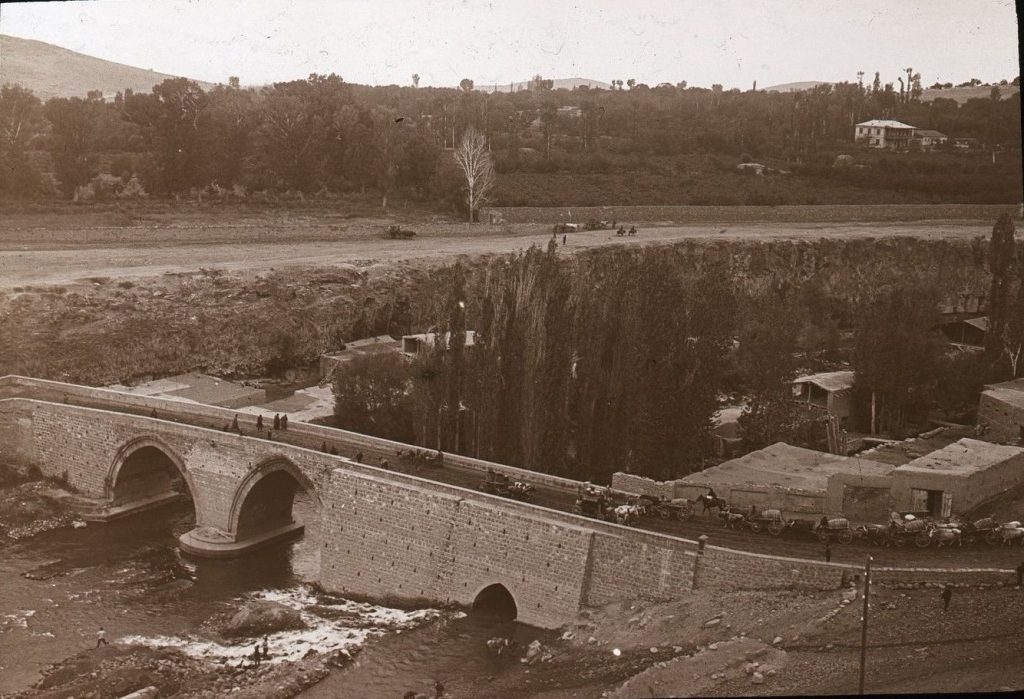
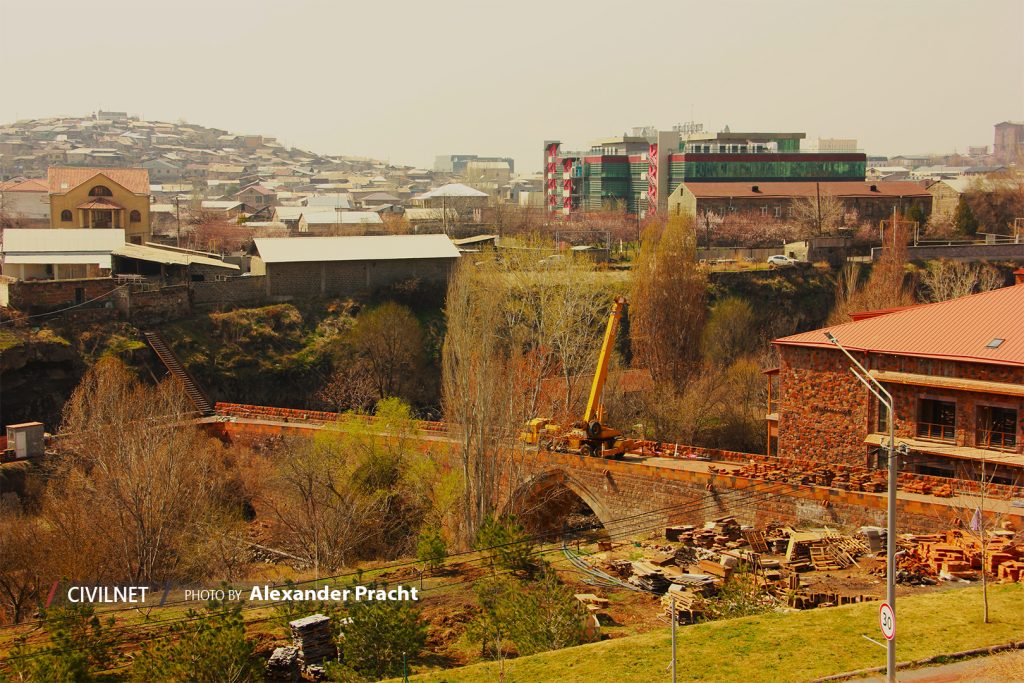
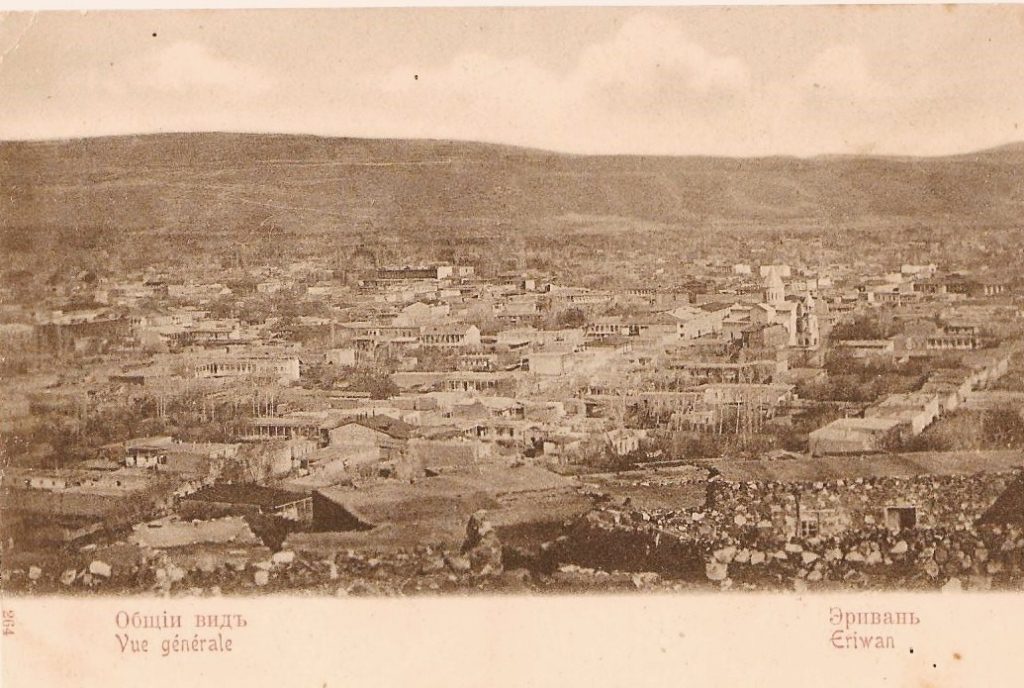
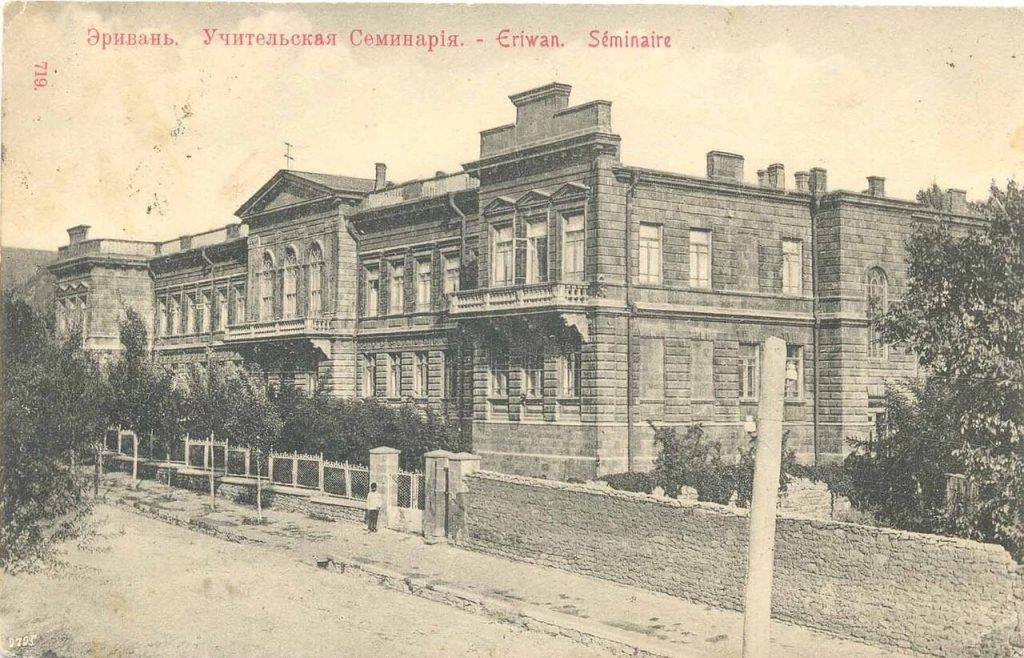
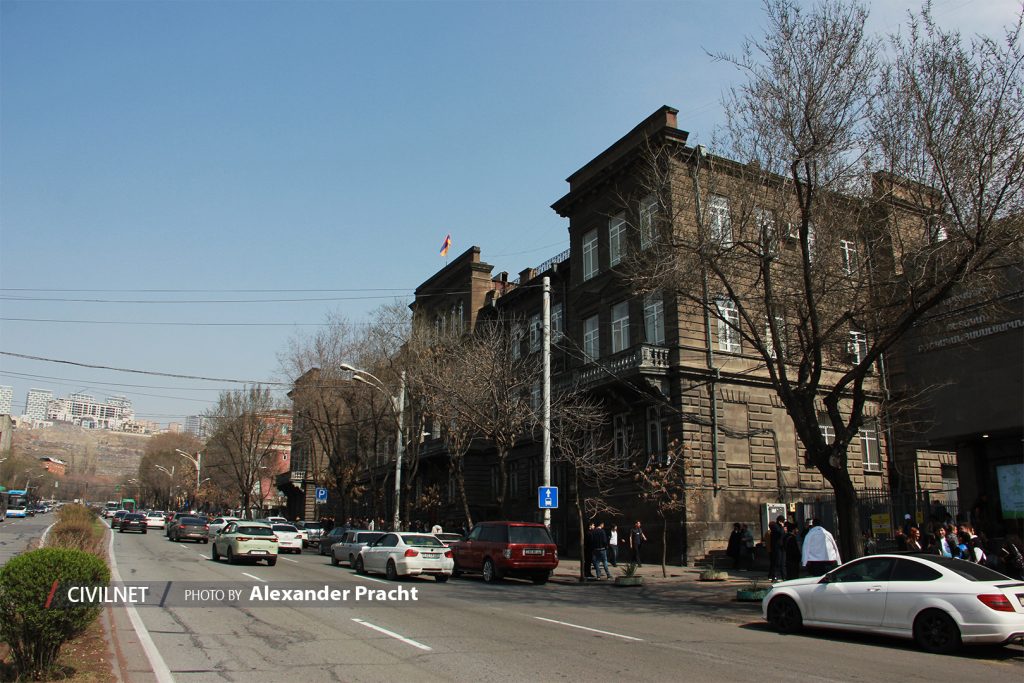
His photographs provide a rare glimpse into a lost era. These are some of his most notable images of Yerevan, presented alongside photographs taken in the same locations in 2025.
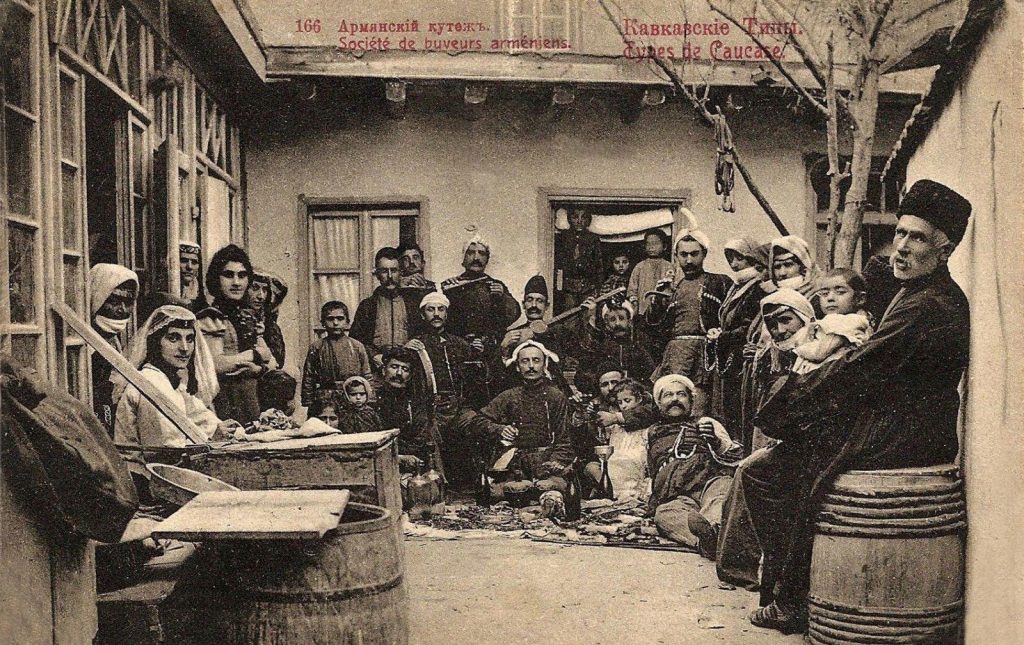
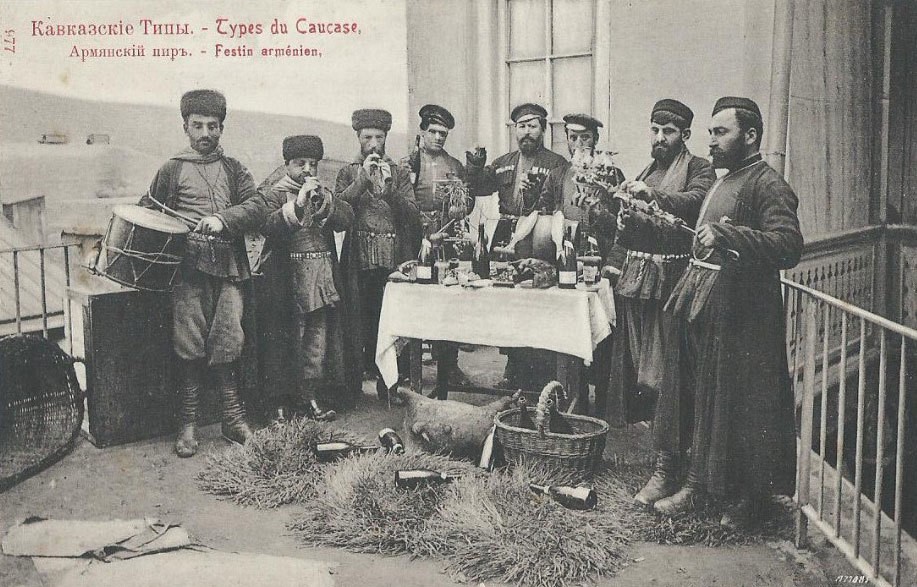
Not much is known about Tarverdyants’ life, but historical records indicate that he was born in Yerevan in 1860. He is said to have studied photography in Leipzig, Germany, before returning to his hometown to establish his own studio. Tarverdyants opened his photography atelier on Astafyan Street, now Abovyan Street, where he would go on to document the city and its people at the turn of the century.
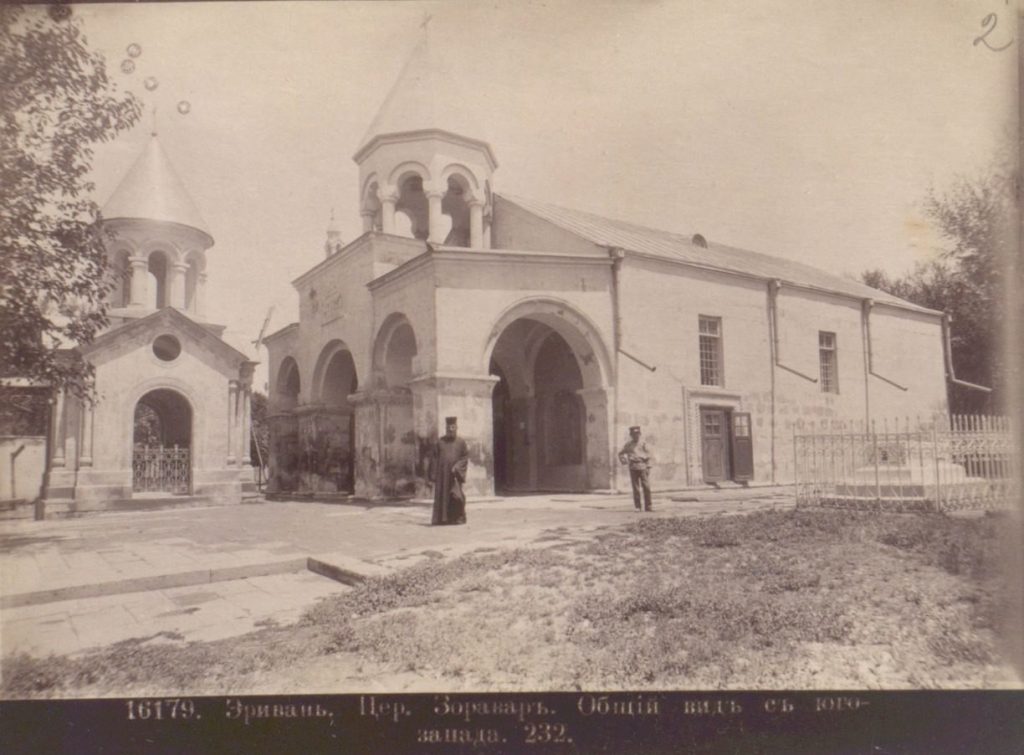
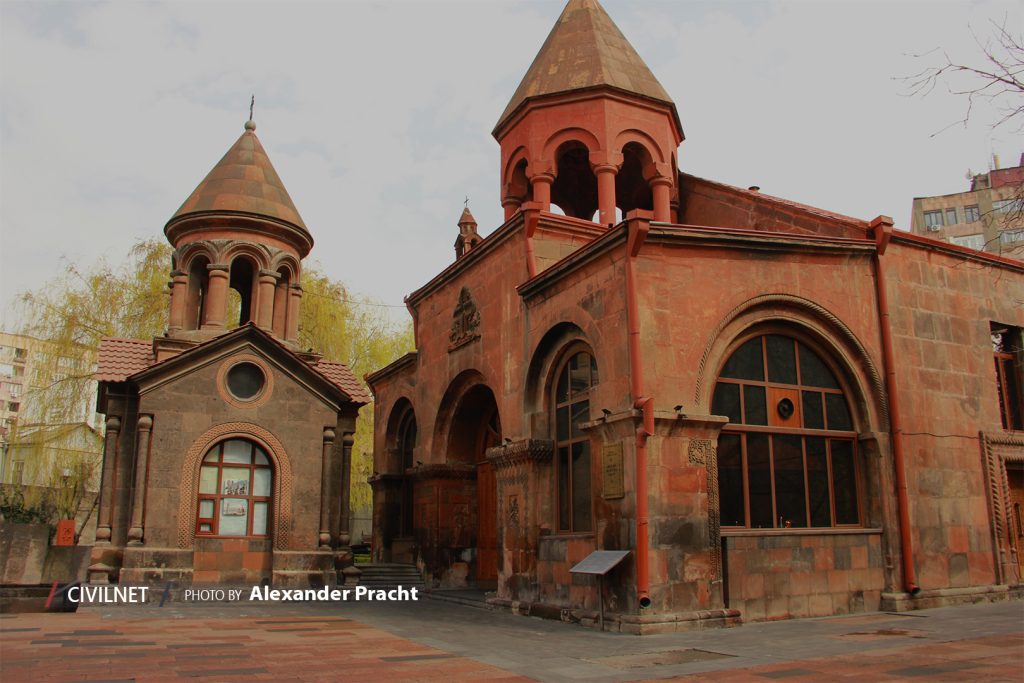
In addition to commercial portraiture, Tarverdyants explored other photographic genres. Among his most significant works are the urban landscapes of Yerevan and images of historical monuments in the surrounding area, including some that have since been lost, such as the Sardar Palace.
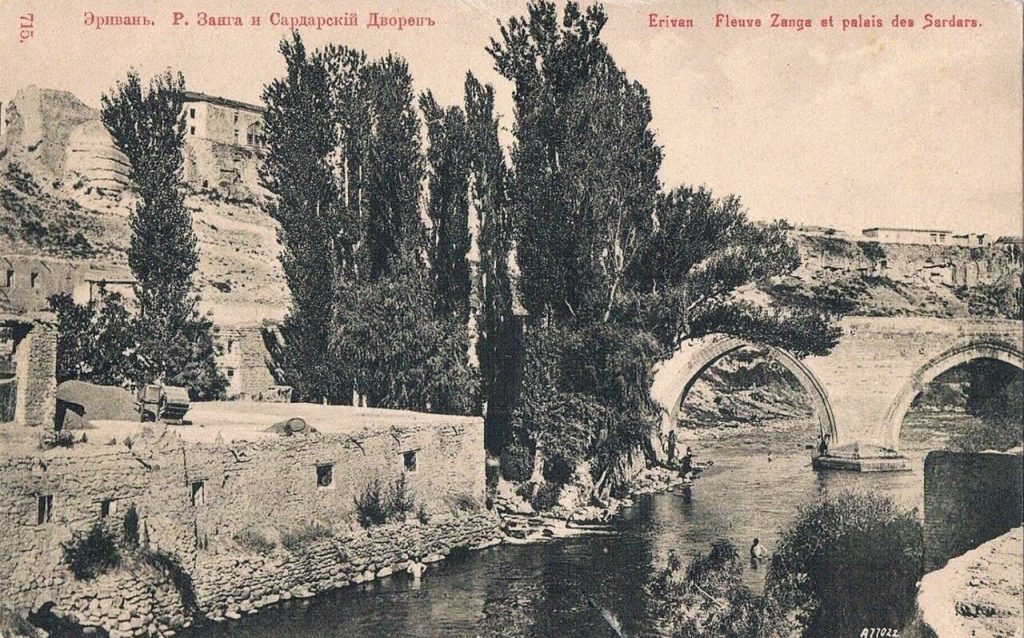
The area next to the Sardar Palace, now adjacent to central Yerevan, is known as Noragyugh. Today, it is a mostly low-rise, old neighborhood with potential for significant investment and transformation. Before the arrival of Soviet rule, it was one of the most prominent areas in the city. The neighborhood is divided by the Hrazdan River, which was known as Zanga in those times. The Red Bridge spans the river, and until the mid-20th century, it was the only bridge connecting the two sides, making it a crucial transportation route. Tarverdyants captured this view of the bridge from the side of the Sardar Palace in the early 1900s.
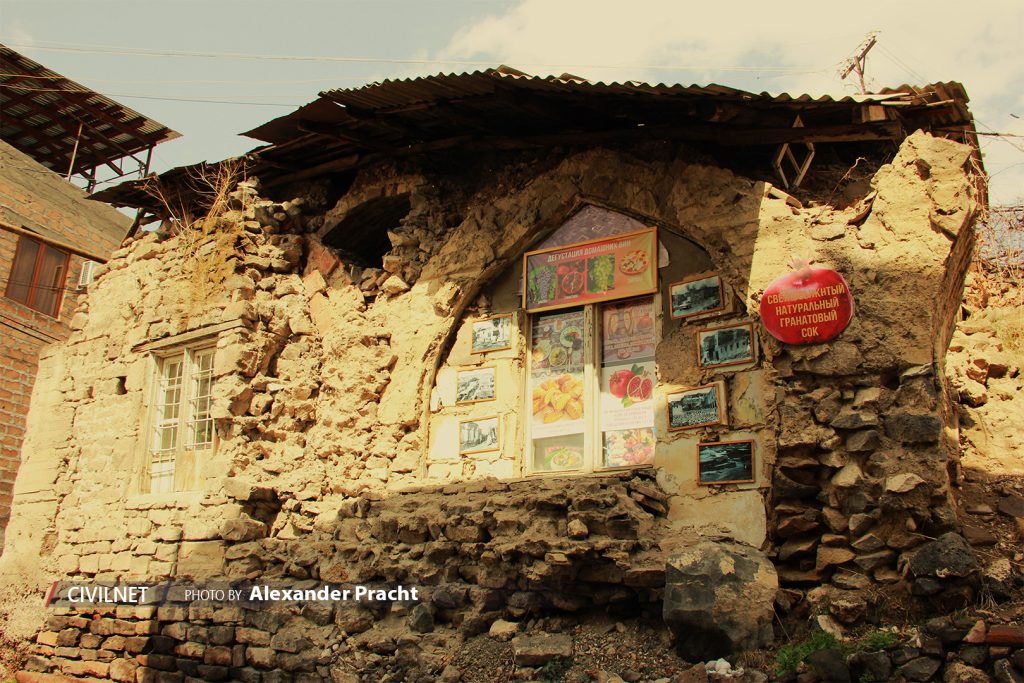
Tarverdyants also captured Kond, the oldest surviving neighborhood in Yerevan. Situated atop a hill, Kond is known for its narrow, Safavid-era streets and centuries-old architecture. With its age and the mostly makeshift residential buildings, some of which are several hundred years old, it remains a popular attraction for tourists. Kond’s unique atmosphere stands in striking contrast to the surrounding modern quarters of the city.
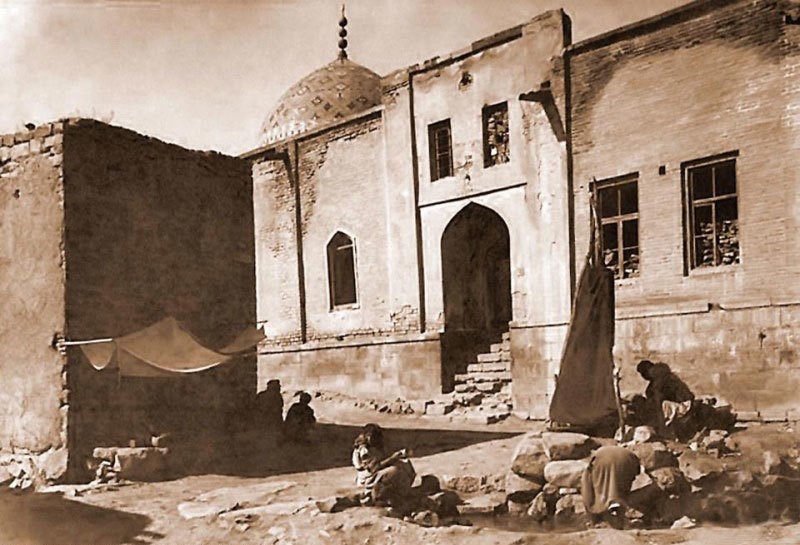
Tarverdyants’ talent was recognized internationally – he received his first gold medal in 1909 in Rotterdam and a second in 1910 in Rome at the World Industrial Photo Exhibition. The imprints of these gold medals can still be seen on the passepartout of his original photographs.
In his work, Tarverdyants was assisted by his wife, Elisabeth Ananyan, and later by his son, Hovhannes, who began working with him at age 17 and eventually took over the family business. In 1925, Hovhannes joined Armenfilm Studio as a photographer and went on to become a prominent figure in Soviet Armenian cinema.
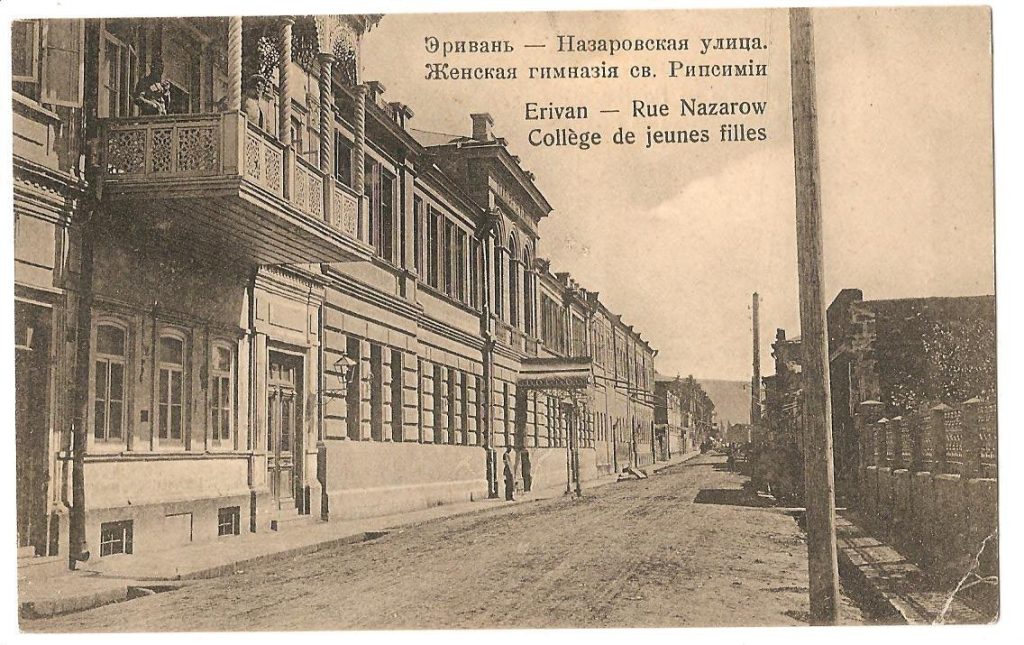
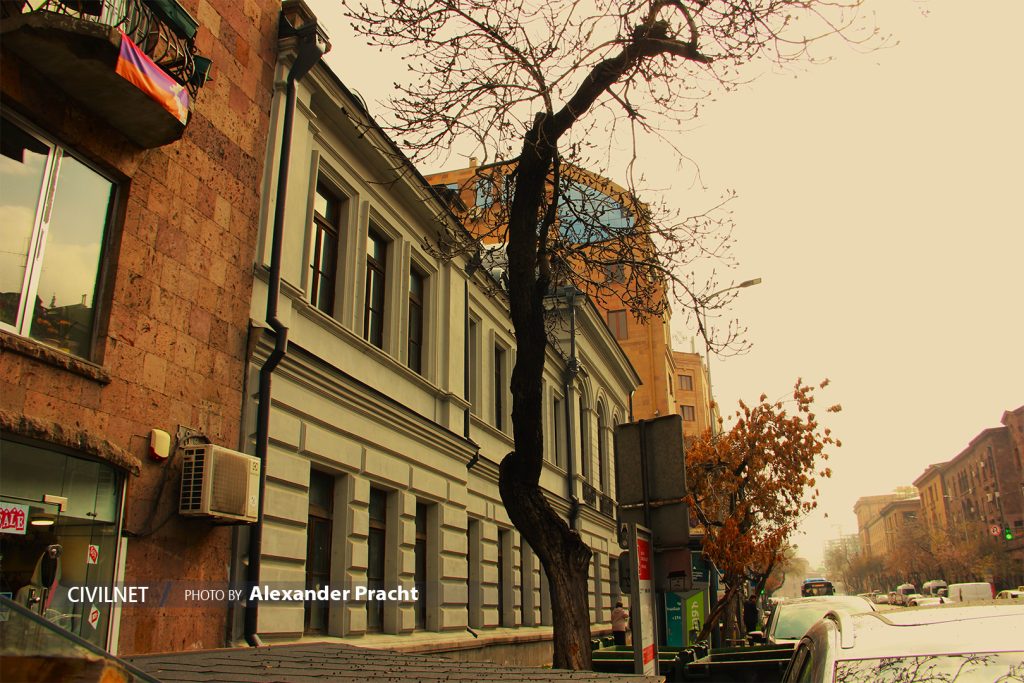
As Yerevan grew, so did its photography scene. The number of photography studios increased, but after the establishment of Soviet rule in 1921, they were gradually consolidated into a state-run photo facility for consumer services, in line with the centralized planning system of the time. A new generation of photographers emerged in the city, including many from the Armenian diaspora.
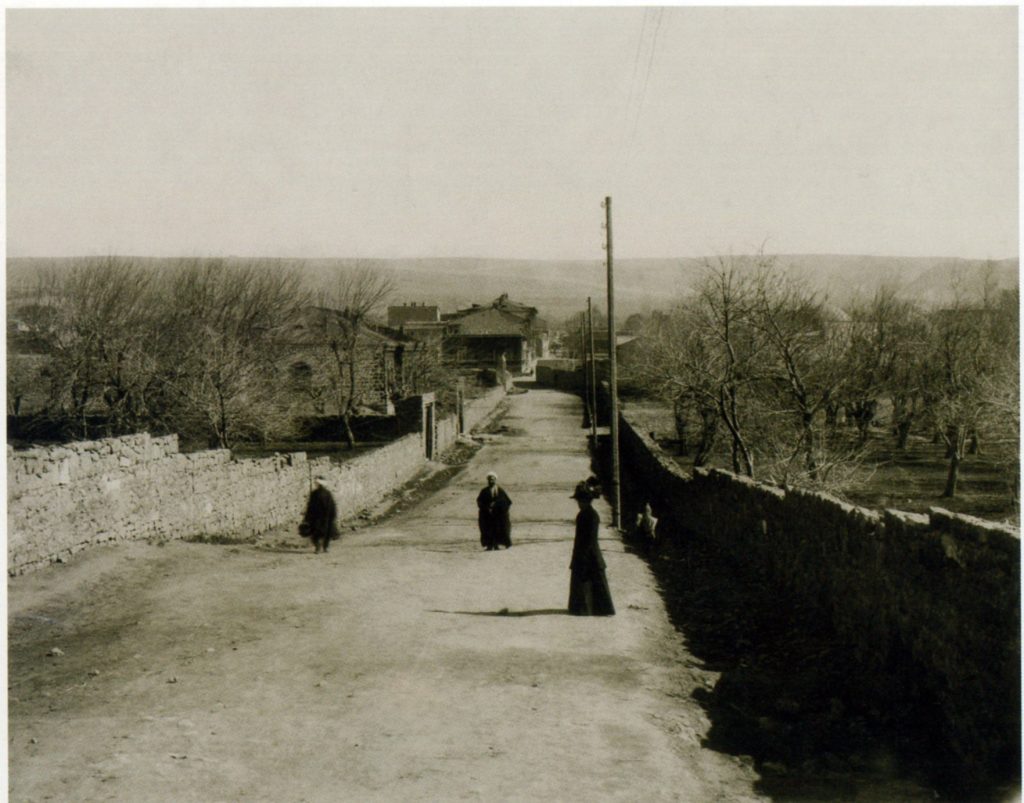
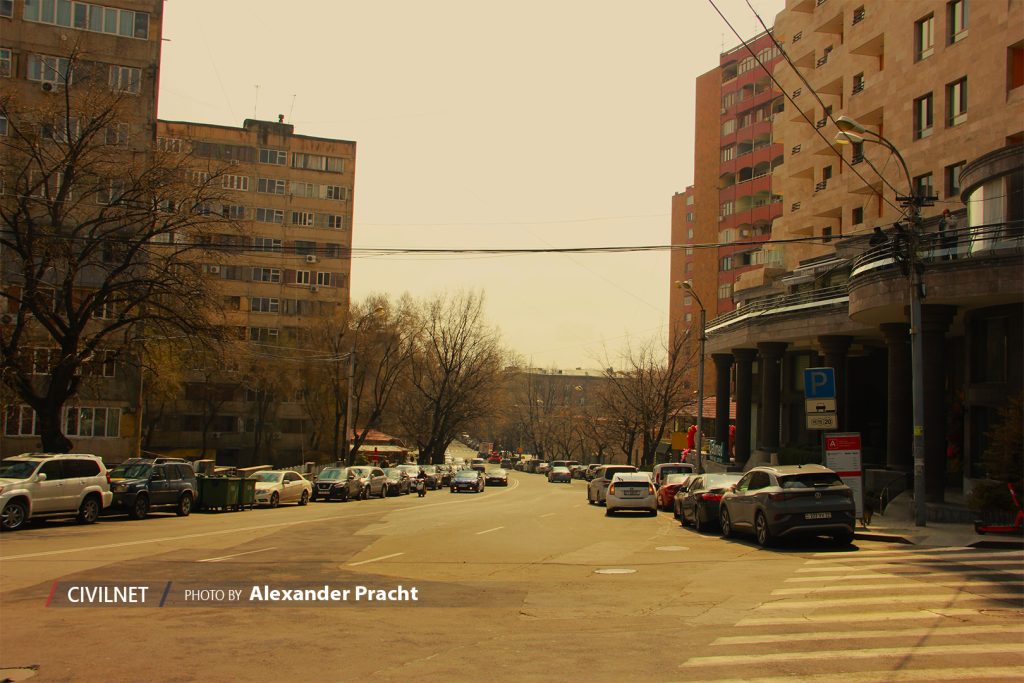
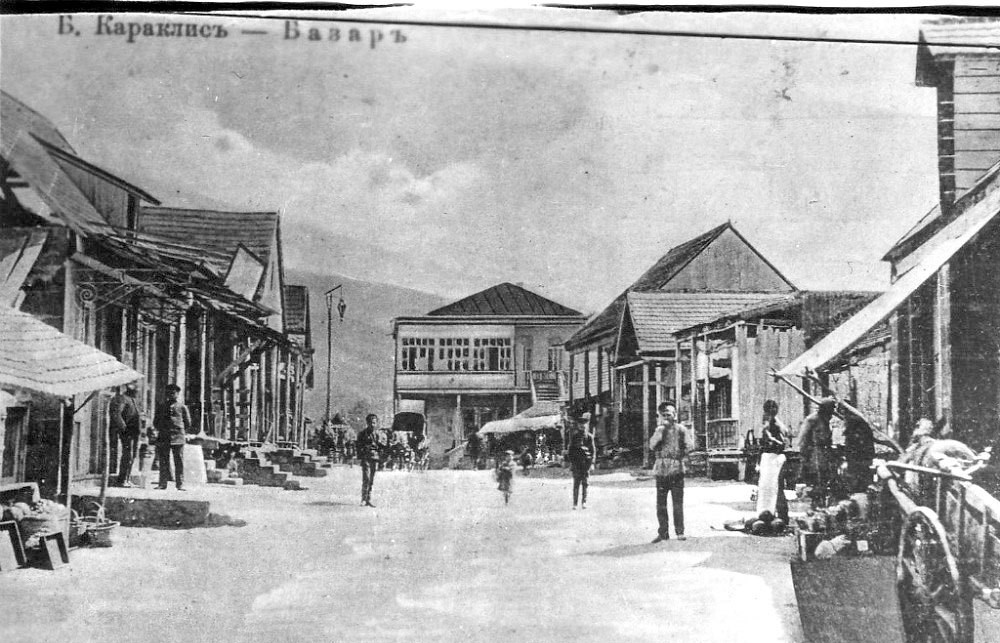
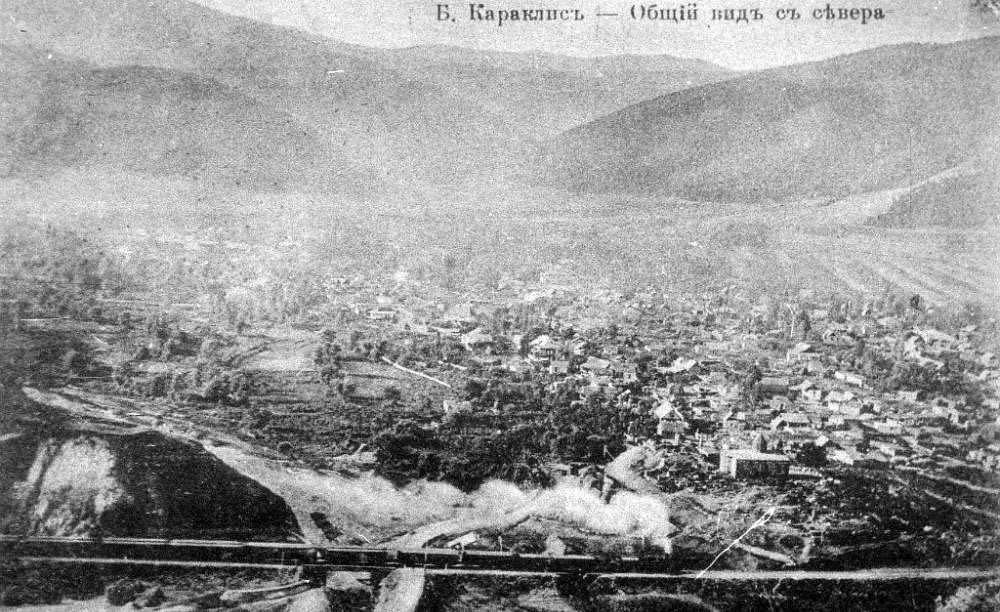
Although Tarverdyants was born and died in Yerevan, his work was not limited to the capital. He also captured images of other cities of Armenia, including Gyumri and Vanadzor, showcasing the diverse landscapes and people of the region.


 Stories