Civilnet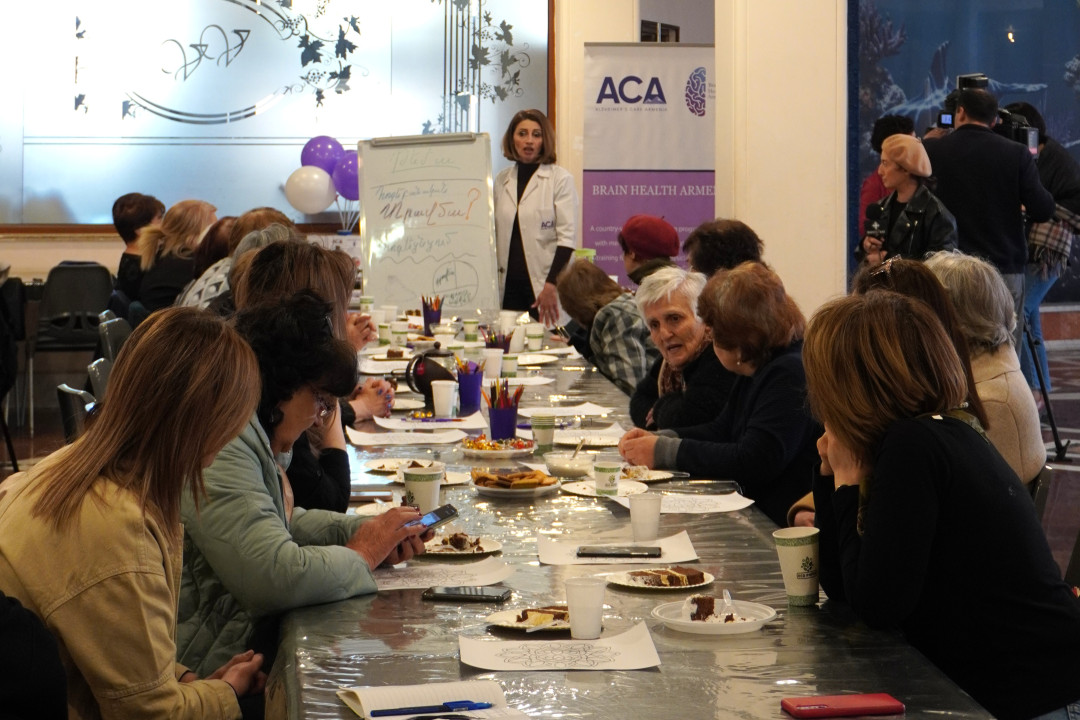
By Nanor Froundjian
At the Armenian General Benevolent Union Vahe Karapetian Center, more than 20 elders from Artsakh gathered–just as they have been for nearly two months–sharing memories and building a sense of community in a city that is still new to them.
Led by Alzheimer’s Care Armenia, and with support from AGBU, the Support Café for Artsakh Elders provides social support to displaced residents of Artsakh aged 60 and above. Activities include music and art therapy as well as cognitive-enhancing work.
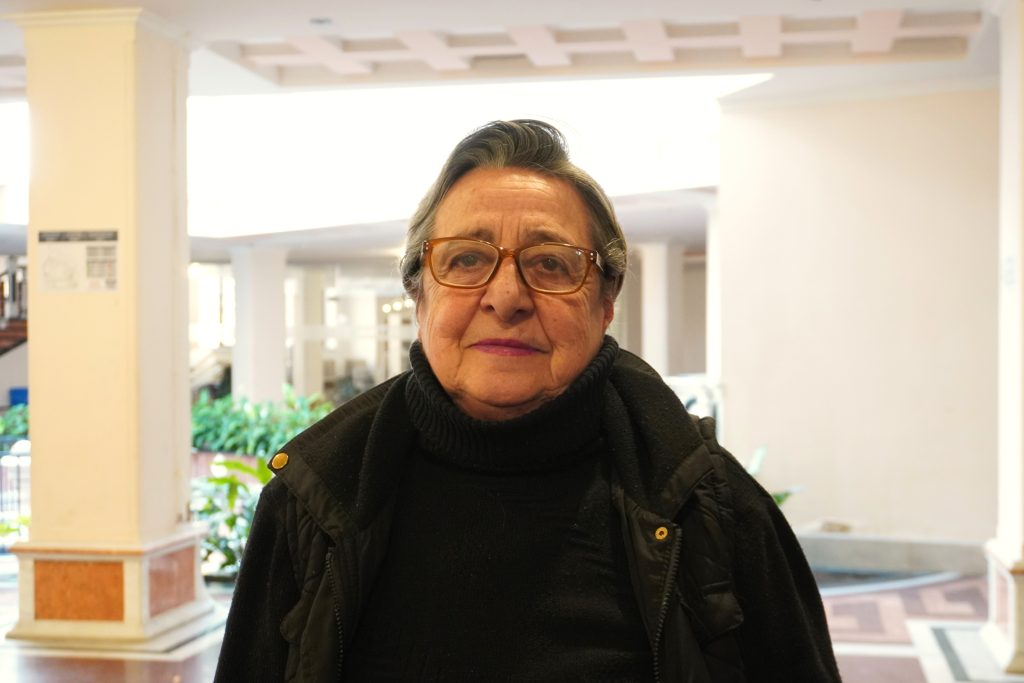
For Lusadzin Vizoyan, one of the participants, gathering with the group is the highlight of her week.
Born in Gyumri, Vizoyan moved to Stepanakert in 1989 after she married. She put down roots in Artsakh and began to build her life. Despite her husband’s sudden passing soon after, she decided to stay in Stepanakert, where she had developed a deep sense of belonging.
“I loved Artsakh very much. It was wonderful, heaven on earth. It was the best,” she said. “But after living through three, four wars, after sacrificing so much, what could’ve we done? In the end we had to leave, and still now, we feel the pain.”
“I still dream of it,” she continued. For Vizoyan, like many of the elders, the hope of returning remains close to her mind.
Despite the emotional toll, participants are encouraged to share their stories as a way towards healing, acceptance, and adjusting to their new reality.
Alzheimer’s Care Armenia has crafted a specific curriculum tailored to the needs of the group. The weekly two-and-a-half hour gatherings are led by a team of trained professionals, and focus on emotional intelligence, resilience, and positive thinking skills.
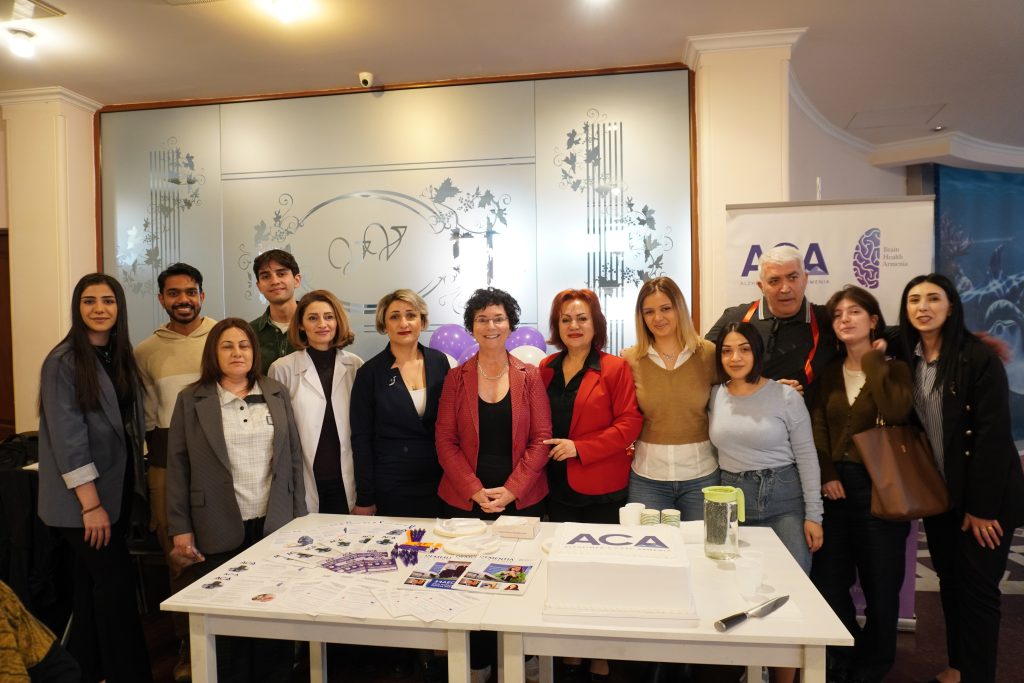
“They get used to it slowly. It was very hard in the beginning,” said Lilit Abrahamyan, a specialist on identity-oriented psychotrauma theory, charged with training the team of three psychologists and one social worker for the project.
She observed the participants’ resistance to sharing grief and anger, recognizing that doing so requires unlearning deeply-ingrained habits.
“They are still in a flux, but they are also seeing a little bit of the good now,” Abrahamyan said, acknowledging that trauma won’t heal trauma in three months, but that the program is a good first step.
She emphasized the importance of having a trauma-informed team in order to have an effective approach and a capacity to manage sensitive and highly emotional situations.
“They have lost everything,” she said of the elders, adding that many of them are still in denial. “But to get lost in this thought is taking them away from their identity, from their present moment.”
The 12-week pilot project has now reached its halfway point, and Dr. Jane Mahakian, a gerontologist and founder of Alzheimer’s Care Armenia, believes it’s likely the Support Café will continue its programming in Yerevan and Gyumri in the long-term. She hopes it will also branch out to other cities.
“It’s been tremendous,” said Mahakian of the program’s turnout so far. “My thinking about the whole project is to fill the void that they're feeling and to address the trauma that they've incurred.”
She has noticed that elders, both in and outside of Armenia, are often not prioritized and heard. “What we're trying to do is to change that, and they are feeling heard. And I think that's been very important.”
Aside from providing therapeutic support to the group of more than 20 elders, the project also serves a scientific purpose through data collection on Artsakh’s elderly population, a group that remains largely under-researched and marginalized, according to AGBU Armenia’s executive director Marina Mkhitaryan.
“This data is really a unique piece of information which wouldn't be collected otherwise. We're hoping that Artsakh is not just on the political agenda, but it's also on the science agenda, social agenda. And it's a global issue, not just an Armenian issue,” she said, hoping the project can set an example for global communities who have suffered similar experiences.
She added that Artsakh is currently AGBU Armenia’s largest portfolio. The Support Café is part of a larger initiative under the AGBU Artsakh Research Grants umbrella, aiming to develop knowledge and produce research on matters relevant to Artsakh.
She hopes that this pilot will disrupt misconceptions about Artsakh-related issues and bring them to the surface.
Research purposes aside, she believes in the benefits of the direct and interactive approach the program provides.
“This hand-holding for the group of elderly, sometimes it's the last chance,” she said.



 Stories