 Civilnet
By Arshaluys Mghdesyan
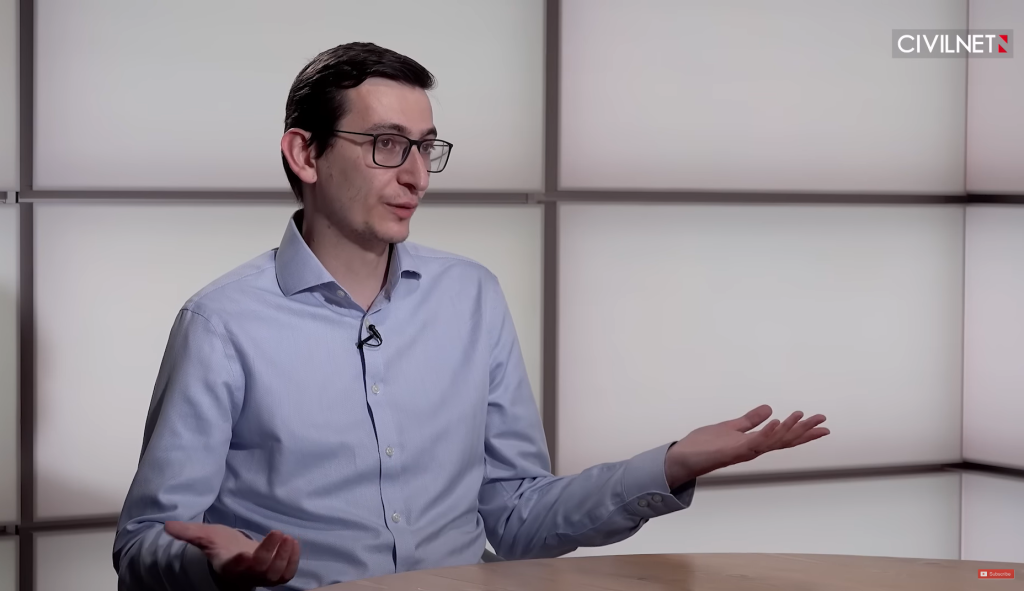
India is offering Armenia its full range of domestically produced weapons without any political preconditions, unlike other suppliers, military expert Eduard Arakelyan said during a CivilNet discussion.
Arakelyan, of the Regional Center for Democracy and Security, and fellow panelist Leonid Nersisyan, a defense analyst at APRI Armenia, explained why Armenia began reassessing its arms procurement strategy in 2022, shifting away from its traditional reliance on Russian suppliers toward new international partners. This was not a strategic choice but a forced move, they argued, triggered by Russia’s failure to deliver on its security guarantees during a series of regional crises.
As Armenia diversified its defense partnerships, India and France emerged as its key new suppliers. According to Nersisyan, Armenia had been developing entirely different security cooperation plans back in 2021, notably a reform program for its armed forces in coordination with the Russian Defense Ministry.
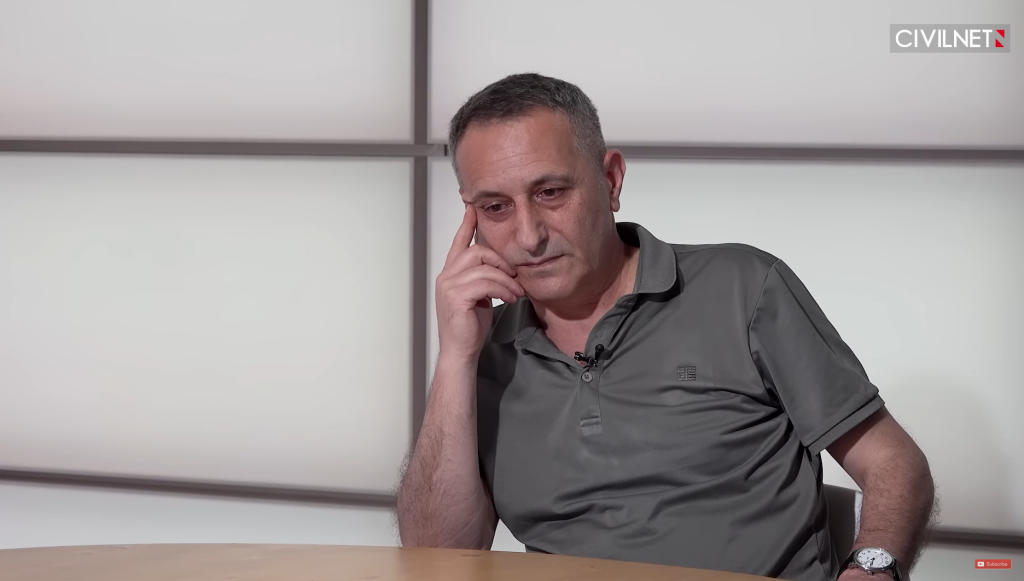
But after Russia invaded Ukraine in 2022, its declining influence in the South Caucasus, and Baku’s military incursions, to which Moscow responded with indifference, prompted Yerevan to seek alternative sources.
Arakelyan said India was a logical choice, offering “its entire range of military production to Armenia without political strings attached.” As for France, both experts agreed it is a high-tech but costlier partner, particularly in communications and electronics.
Critics of Armenia’s diversification strategy, especially Russian analysts, have warned that integrating arms from different countries risks logistical and operational confusion, given the varied standards, calibers, and systems. Such critics argue this complexity could undermine performance in combat.
Arakelyan countered that this criticism ignores Armenia’s strategic necessity: “If we are transitioning to 155mm [NATO-standard] artillery, it’s a logical global standard. It's easier to procure shells for that than for the outdated Soviet 152mm systems.” Armenia’s current Indian-supplied artillery uses the 155mm caliber.
Nersisyan added that Indian artillery is effectively a hybrid of Western models. For instance, India’s Trajan artillery system is a modified version of the French Caesar, incorporating Western electronics and other European components. Similarly, the MArG self-propelled howitzer is comparable to the American M777, with key parts manufactured under license from the U.S.
Both experts agree that Armenia now has access to modern weaponry it couldn’t otherwise buy directly, due to political restrictions from Western countries. Arakelyan also noted that logistics for Indian and French arms are no more complicated than for Russian ones: “In any case, everything is transported either via Georgia or Iran.”
Also read: How Armenia became important to India’s defense export strategy
Interestingly, India’s approach as a growing arms manufacturer involves adopting Western technologies and adapting them for domestic and export use, making them available at competitive prices. For Armenia, this opens access to advanced arms without exorbitant costs.
Nersisyan also noted growing interest from other countries, including Slovakia. He cited the example of the Slovak president’s visit to Armenia earlier this month, his delegation including defense industry representatives, which could signal Bratislava’s interest in arms cooperation.
Ultimately, the experts argued, diversifying arms procurement is not a luxury but a survival strategy. And today, Armenia has options and leverage from multiple suppliers.
Also read: India emerges as key defense partner in Armenia’s shift away from Russian arms
Since 2022, Armenia has significantly diversified its defense procurement, turning to India and France to modernize its military capabilities amid strained relations with Russia.
India’s recent arms supplies to Armenia included MArG and ATAGS 155mm artillery, Pinaka multiple rocket launchers, Akash-1S air defense batteries, and anti-tank missiles. These acquisitions mark a shift from Soviet-era calibers to NATO-standard weaponry. France has also become a key partner, supplying CAESAR self-propelled howitzers, Ground Master 200 radars, and Mistral short-range air defense systems.
Watch the full discussion in Russian




 Stories