Civilnet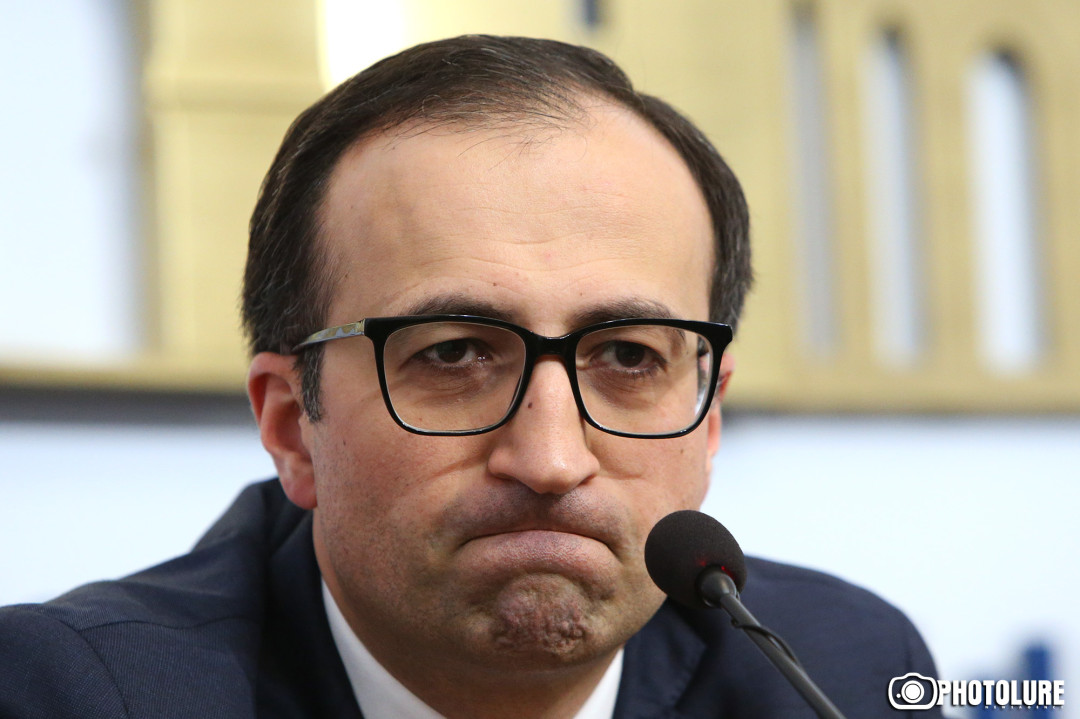
By Lia Avagyan
A Yerevan court has frozen the personal assets of ruling party lawmaker Arsen Torosyan in connection with a defamation lawsuit brought by jailed billionaire Samvel Karapetyan, Azatutyun, RFE/RL’s Armenian Service reported on Tuesday.
The court order imposes a freeze on Torosyan’s property worth 9 million drams (around $23,000)—the exact sum Karapetyan is seeking in damages for what he claims was a defamatory speech made by the MP during a June parliamentary session. Karapetyan’s lawyer, Karen Margaryan, told RFE/RL that the freeze is intended to ensure that the compensation can be enforced should the court rule in the tycoon’s favor.
“The purpose of the freeze is to prevent the defendant from selling off assets before a verdict is reached,” Margaryan explained.
Karapetyan, the Russian-based owner of the Tashir Group, is currently in pre-trial detention on charges of calling for the violent overthrow of the government—accusations widely seen as retribution for his vocal support of the Armenian Apostolic Church and Catholicos Garegin II, who is under pressure from Prime Minister Nikol Pashinyan.
In the June speech cited in the lawsuit, Torosyan denounced Karapetyan’s remarks defending the Church, comparing them to rhetoric inspired by Russia’s FSB. “They sound like they were written in the Lubyanka,” the MP declared from the parliament podium.
Reached by Azatutyun, Torosyan said he had “little to add,” noting that he would appeal the court’s decision. He described the ruling as politically troubling: “This is yet another example of using the courts to punish political speech.”
In addition to the case against Torosyan, Karapetyan has filed separate defamation suits against the ruling Civil Contract party and its parliamentary faction leader Hayk Konjoryan, each for 9 million drams. So far, only Torosyan’s assets have been frozen; a judge in the Konjoryan case reportedly found insufficient grounds to do the same.
Karapetyan’s legal team insists that their goal is not to suppress political opinions but to curb what they describe as “libelous and inflammatory speech masquerading as public discourse.”




 Stories