 Civilnet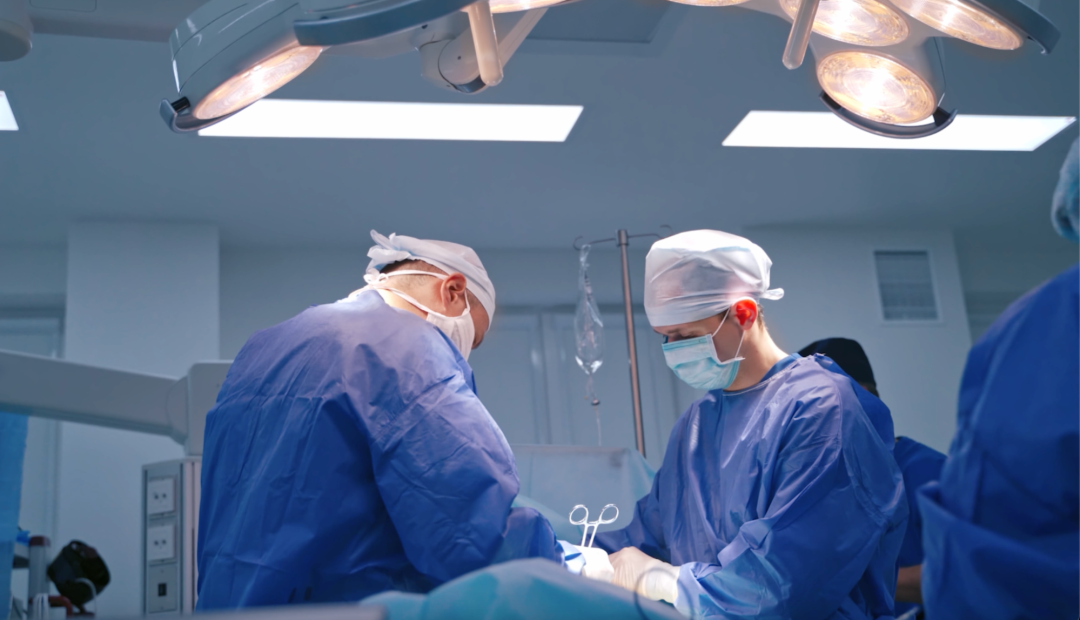
By Siranush Adamyan
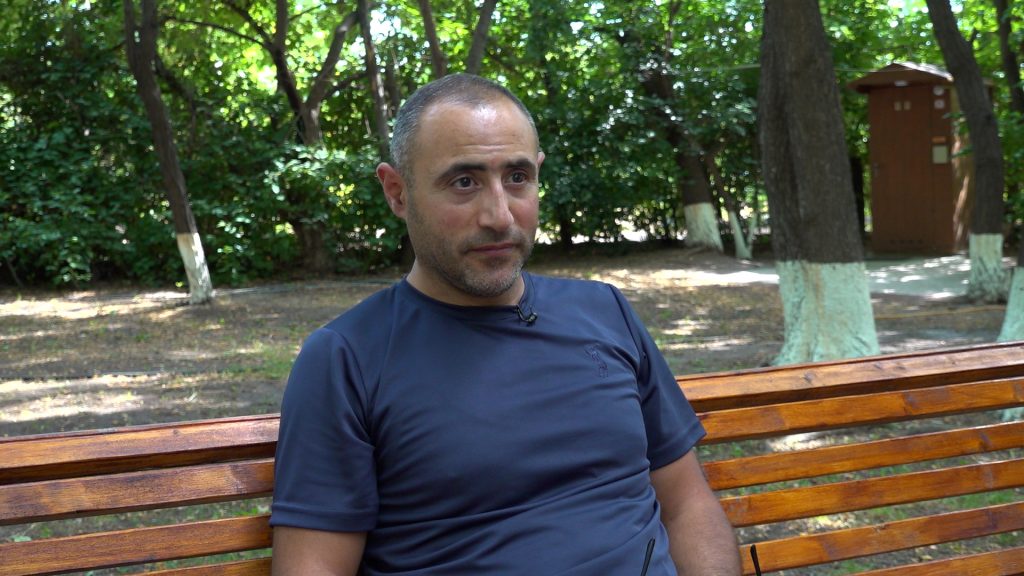
Karen Badalyan waited years for a corneal transplant. The delay took a toll: “There were times when the tissue arrived, but the lab results didn’t match, so they postponed the surgery,” he said. “While waiting, the pressure fell on my other eye. That one started to deteriorate too.”
Badalyan eventually underwent transplants in both eyes, but his case is far from unique in Armenia, where corneal transplants are performed using tissue imported from abroad. The country conducts about 100–150 such surgeries a year — far below the actual need.
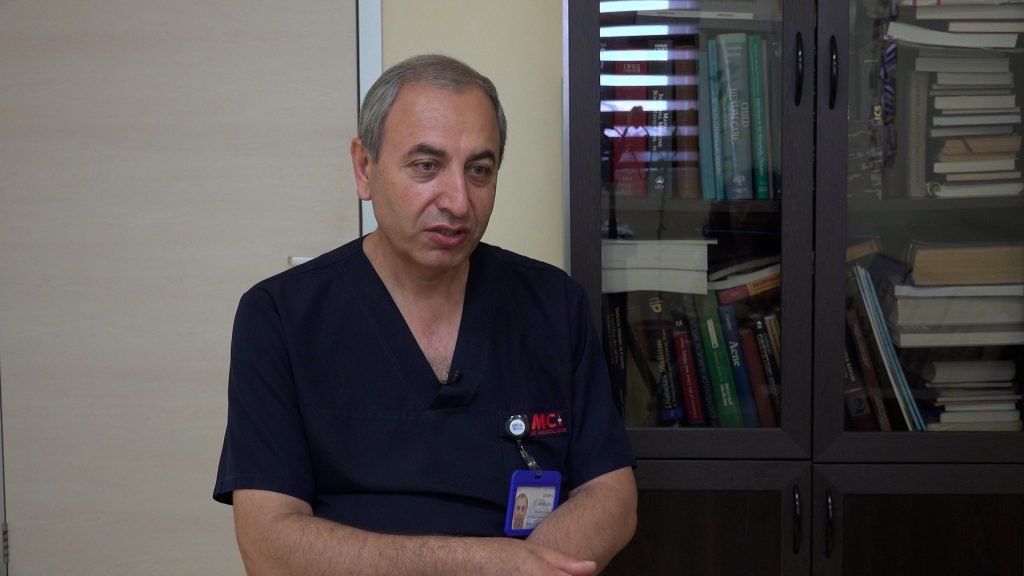
Yet despite having a law in place since 2002 that permits cadaveric organ donation, Armenia has never carried out a single transplant from a deceased donor.Cadaveric donation — the retrieval of organs from a brain-dead patient — has the potential to save up to eight lives and improve many more. But Armenian hospitals rely entirely on living donors. “Technically, it is easier to perform transplants from cadaveric donors than from living ones,” said surgeon Araik Voskanian. “But for that, we need trained teams and committees that confirm brain death and authorize organ retrieval.”
A 2022 amendment to the health ministry’s rules introduced a presumed consent model: unless a person had registered an objection, their organs could be used after death — but only with family approval. Still, the change has had no practical effect.
Arabkir Medical Center recently attempted to test the system. After declaring brain death in several cases, doctors approached families to request consent for donation. All refused.
Public awareness remains low, and families often hesitate. “People ask, ‘What do we get in return?’” said pathologist Hasmik Zakaryan. “There’s an expectation of some financial support, even though the law prohibits compensation.”
Health Minister Anahit Avanesyan said citizens who oppose donation must make that known in their medical records. Otherwise, they are considered donors by default — with next-of-kin approval. A registry of donors and recipients has been created but is not yet operational.
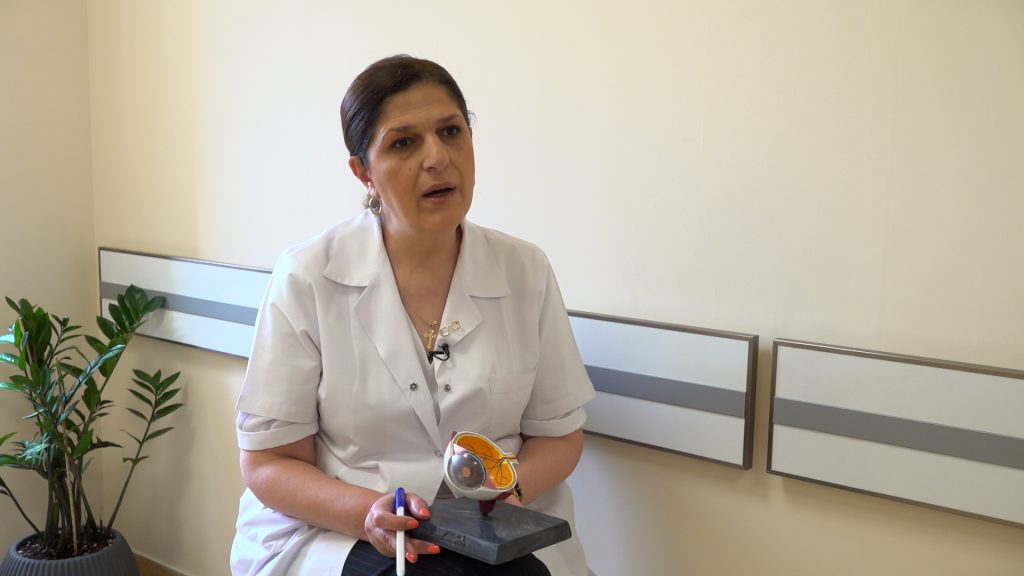
Officials hope to begin implementing cadaveric donation by focusing on corneas. “Only a small transparent tissue is removed — not the entire eye — and it leaves no external trace,” said ophthalmologist Ani Hambardzumyan. One donor can restore the sight of up to four people.
But even these relatively simple procedures face obstacles. “Armenians tend to reject cadaveric donation,” Voskanian said. “And yet, when someone’s loved one is dying, they’re suddenly asking how to find a cadaveric organ to save them.”
More than two decades after Armenia legalized the practice, cadaveric donation remains stalled. Whether it can move beyond legislation to become reality may depend less on policy and more on changing public perception.




 Stories