 Civilnet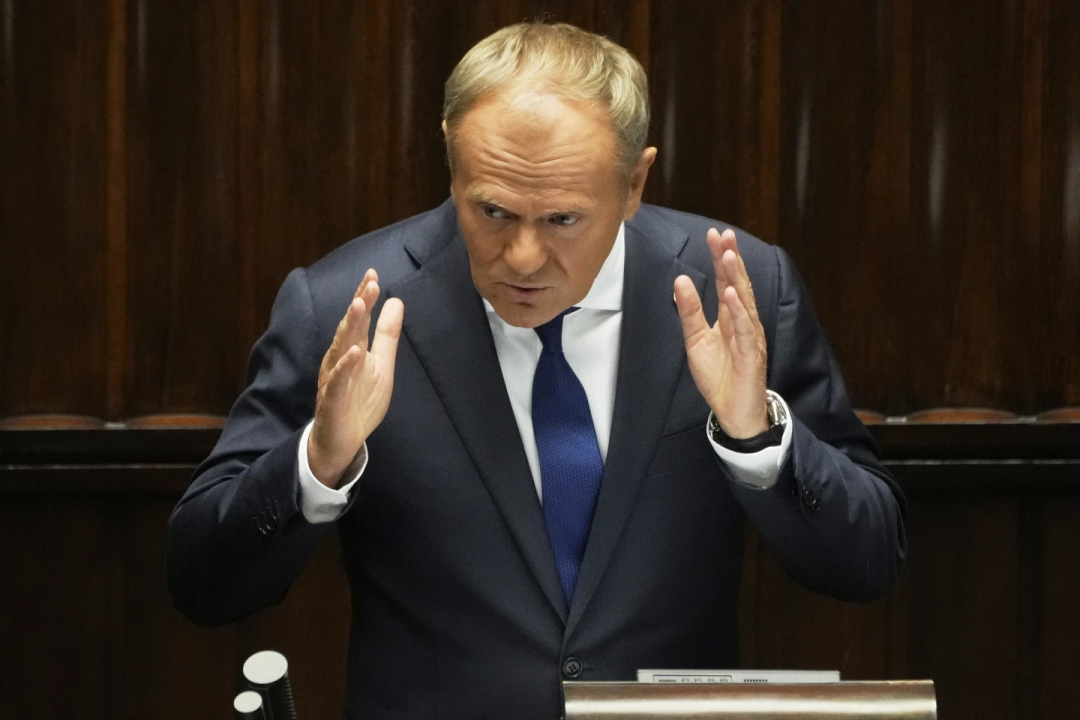
By Alexander Pracht
Poland is considering requesting an exemption from the European Union’s Schengen rules to reintroduce visa requirements for citizens of several countries, including Armenia, according to a report by Polish media outlet RMF FM. The move is part of Warsaw’s broader response to heightened security concerns linked to Russian intelligence activities, Polish Deputy Interior Minister Czesław Mroczek said in an interview with the publication.
While Mroczek did not name specific countries, RMF FM, citing sources in the interior ministry, reported that the planned restrictions would target nationals of Georgia, Venezuela, Colombia, and Armenia. However, Armenian citizens are required to obtain visas for travel to Poland and other EU states and do not benefit from any visa-free regime.
“These aren’t just random countries,” RMF said. “Georgian gangs have become very active in recent months, for example, in Warsaw; Armenia also ranks high in crime statistics,” the outlet claimed, without providing any figures or further explanation for Armenia’s inclusion.
The proposal follows a series of recent arrests in Poland linked to alleged Russian espionage and sabotage plots. As Polish Radio reported last week, authorities detained 32 individuals accused of collaborating with Russian intelligence, including Russian, Ukrainian, and at least one Polish citizen. Additionally, a 27-year-old Colombian man faces a possible life sentence in the country for a string of arson attacks in May 2024.
Polish Prime Minister Donald Tusk, speaking Thursday on TVN24’s Fakty po Faktach, confirmed plans to tighten entry rules. “Citizens of former Soviet republics are, for obvious reasons, more vulnerable to recruitment by Russian intelligence services,” he said, without referring to Armenia or any specific country.
Poland is a member of both the European Union and the Schengen Area, which allows for visa-free travel among its member countries. This means that Poland cannot unilaterally change visa requirements for nationals of other countries, as visa policy is governed collectively within the Schengen framework. However, Poland may seek to lobby for exemptions or changes at the EU level to influence visa rules. Historically, Poland has maintained a conservative and migration-skeptic stance, consistently leading efforts to block illegal migration and advocating for stricter border controls within the EU.
Armenia is currently engaged in complex negotiations with the European Union over visa liberalization, aiming to secure visa-free travel for its citizens. It remains unclear whether Poland’s potential policy shift would translate into opposition to Armenia’s bid.
Does Armenia really rank high in crime?
Despite RMF’s assertion that Armenia “ranks high in crime statistics,” available international data suggests otherwise. In the 2025 Crime and Safety Index by the Numbeo quality of life research platform, Armenia was ranked the 8th safest country in the world, maintaining the same position it held the previous year.
While Numbeo is based on user-submitted perceptions rather than official crime statistics, it is one of the most widely used global platforms for comparing the cost of living and safety across countries and is frequently cited by media, researchers, and policymakers.
The U.S. Department of State classifies Armenia as a safe destination for tourists, giving it the highest safety rating in the South Caucasus region. According to the United Nations Office on Drugs and Crime (UNODC), Armenia’s intentional homicide rate in 2021 stood at 2.13 per 100,000 population, a relatively low figure by global standards, though higher than Poland’s 0.68 in 2022.




 Stories