 Civilnet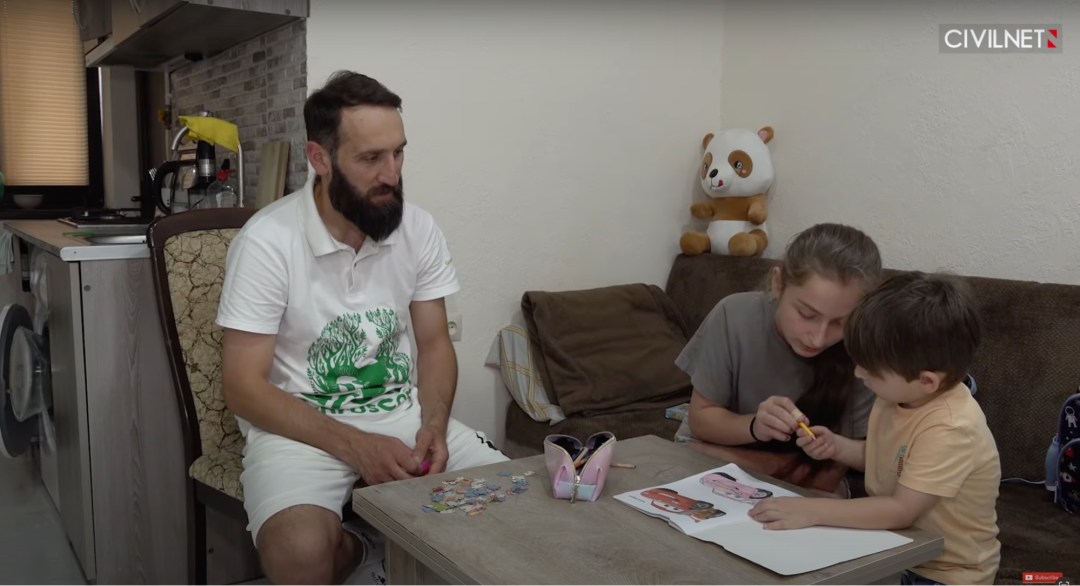
By Anna Yeganyan
When the phrase “single parent” is used in Armenia, it almost always evokes the image of a mother. Whether due to war, illness, or divorce, the loss of a partner often leaves women to shoulder the responsibility of raising children alone. But in a quiet minority, there are fathers—grieving, coping, parenting—who do the same.
According to 2022 figures, some 21,000 men in Armenia between the ages of 25 and 60 are single fathers. Though less visible than their female counterparts, they face their own unique emotional and societal challenges—largely unsupported by government programs and often overlooked in public discourse.
“They often face stigmatization, as society does not always trust men, believing that they are incapable of providing a child with proper upbringing, care, and guardianship,” says clinical psychologist Maria Ovsepyan.
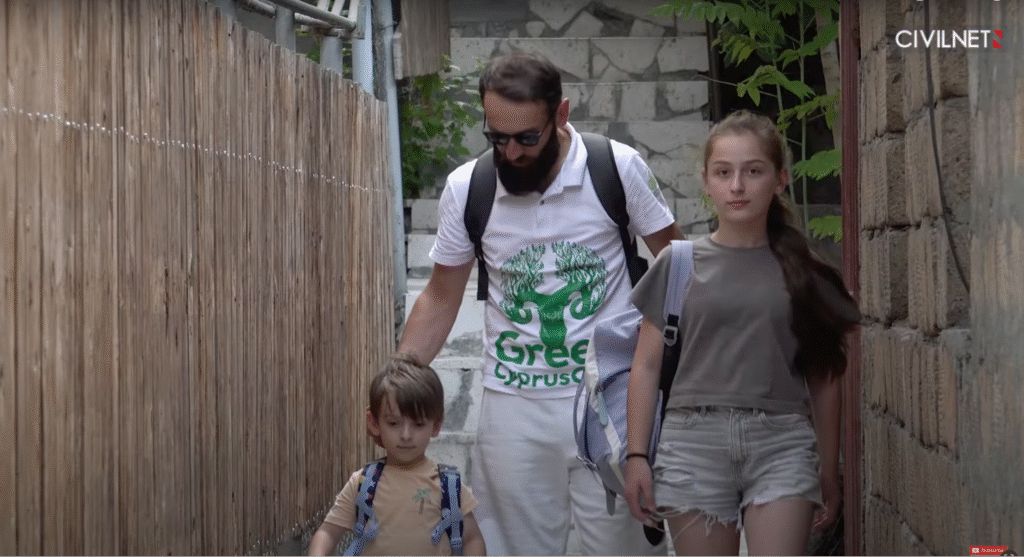
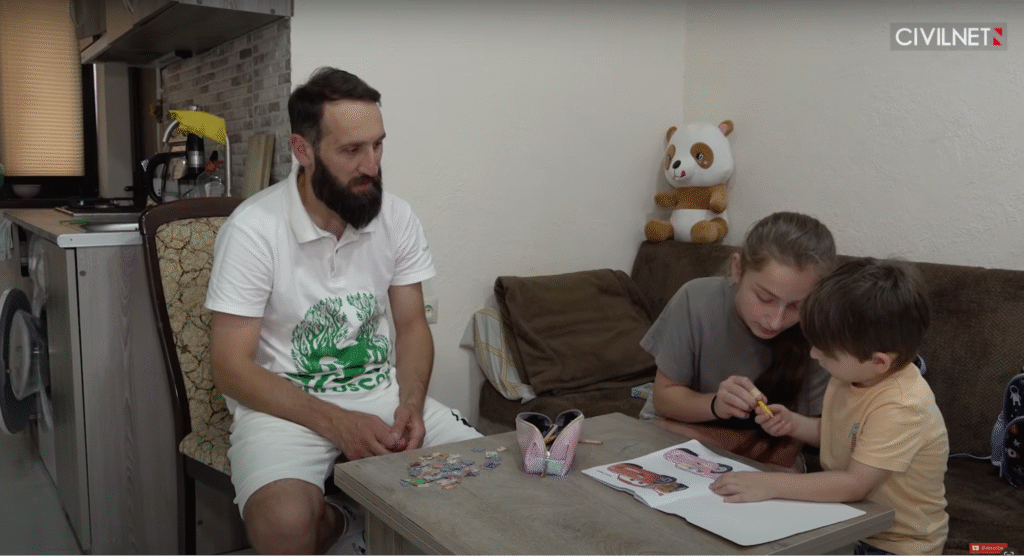
For climber Shaliko Yorents, who lives in the northern city of Vanadzor, life changed irrevocably four years ago when his wife Gayane died after a long illness. Since then, he has raised his two children, Mila and Sergey, on his own.
Becoming a single parent made him more responsible. Because whereas before he could let some things slide or leave them to Gayane’s responsibility, now those duties are his. As a result, he has become more organized and stronger, by his own admission.
“The hardest part isn’t the daily tasks. You can manage those—cook, clean, take them to school,” he says. “What’s harder is the emotional weight. If you’re not emotionally stable, even simple things become overwhelming. For me, it was coming to terms with why this happened to us. That was the real struggle.”
Emotional toll without a name
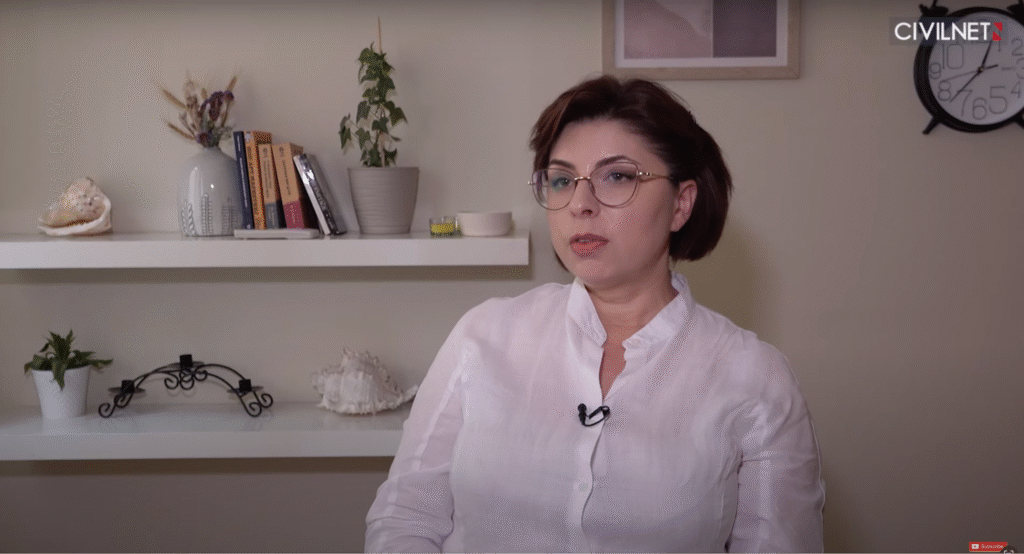
Ovsepyan says men like Yorents often fall through the cracks of the mental health system. “There’s a societal perception that men don’t need help—or shouldn’t ask for it,” she explains. “But single fathers also experience burnout, anxiety, and emotional isolation. They just don’t always voice it.”
She believes emotional support is crucial for any single parent. “For fathers, the advice is often: take care of yourself first. Because your child’s stability starts with your own,” she adds.
Actor Hayk Sanamyan, another single father, has been raising his teenage daughter Yana since separating from his wife. She chose to live with him after the divorce—a decision that surprised many but ultimately worked for them both.
“No one can replace a mother,” Sanamyan says frankly. “You have to accept that this gap will always exist. But what helps is a larger family—grandparents, cousins, community. Love can come from many places.”
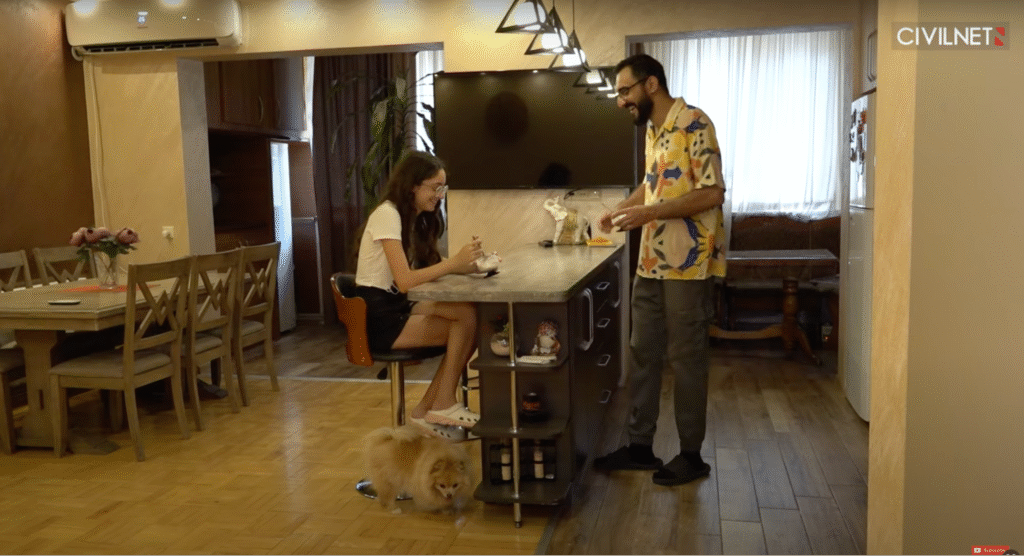
Ovsepyan agrees: “A child needs more than one source of affection. Having a few reliable people to turn to creates a more secure emotional environment.”
Unseen struggles, unspoken needs
Children in single-parent households often face assumptions—they are lonely, missing out, or somehow “less than” their peers. And those feelings can become internalized, Ovsepyan warns: guilt, shame, the sense of being different.
“But the key factor isn’t how many parents the child has,” she stresses. “It’s the quality of the relationship they do have. If one parent provides emotional stability and support, that can be enough to buffer the negative outcomes.”
Despite this, support systems for single fathers in Armenia remain limited. Outside of a small allowance for families who’ve lost a breadwinner, the state offers little help—no training programs, no dedicated counseling, no community support groups.Yorents believes that needs to change. “It’s not about money,” he says. “What we need are programs that show us how to carry this weight. How to be emotionally strong. Many people I know are raising kids on their own, and they’re struggling. Not because they’re weak—but because they’re alone.”
In a society where masculinity is still tied to stoicism, these men are quietly challenging the mold—by showing up, opening up, and parenting with both strength and vulnerability.


 Stories