 Civilnet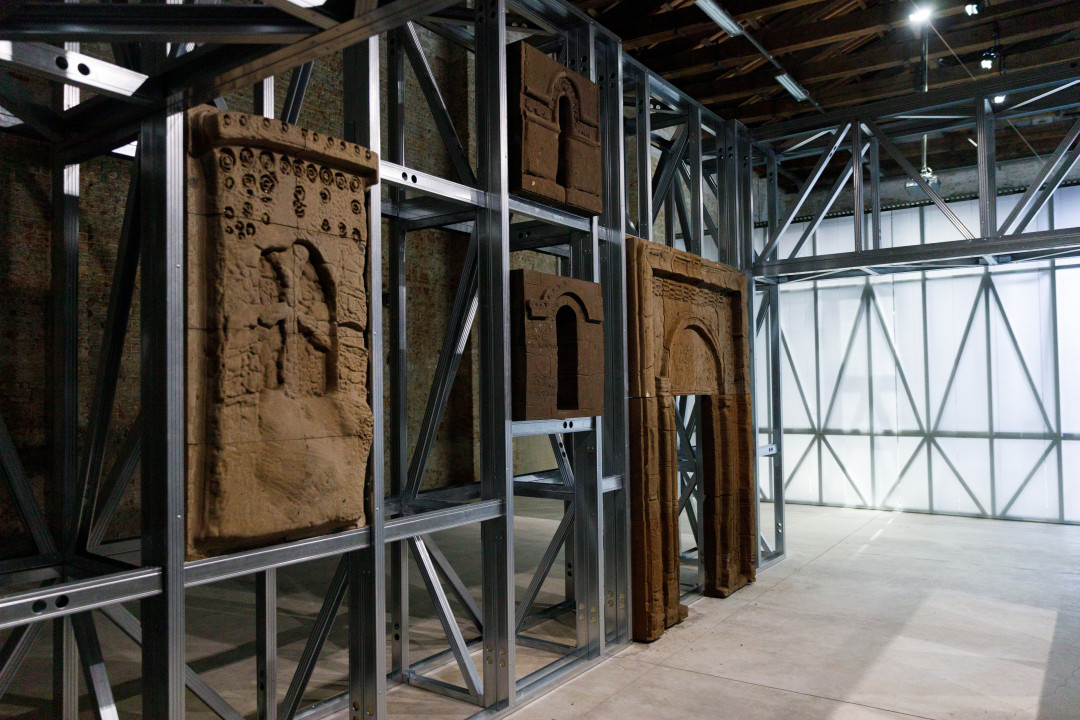
By Charlotte Snoonian
When Armenians had only a few weeks to leave the land under Azerbaijani control after the Karabakh War in 2020, TUMO took action fast to preserve the cultural heritage that would be left behind. The use of new technology prompted an exhibition years later at one of the world’s most prestigious architecture exhibitions.
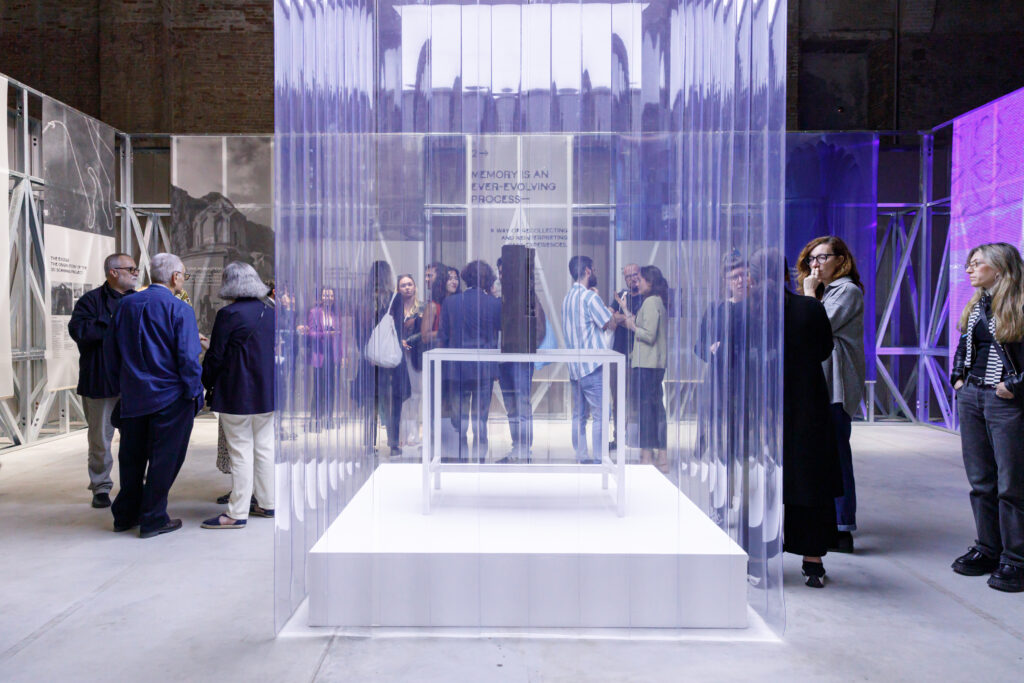
This art of cultural preservation is on display at the 19th International Architecture Exhibition - La Biennale di Venezia. Using technology in new ways to preserve heritage, the Armenia Pavilion is showcasing a project titled “Microarchitecture Through AI: Making New Memories with Ancient Monuments.”
The project is based on 3-D scans developed by TUMO, an afterschool IT learning program for teens with locations all over Armenia. When Azerbaijan took control of parts of Artsakh in 2020, TUMO developed a team within two days that went out to create 3-D scans of monuments and architecture from those areas. TUMO’s 3-D scanning initiative manager Hulé Kechichian says the project was created in an “emergency situation.”
“TUMO knows based on history that Armenian monuments that are not under Armenian control most of the time don't survive very long,” she says. “At the moment, the risk of what we're losing was very obvious to us.”
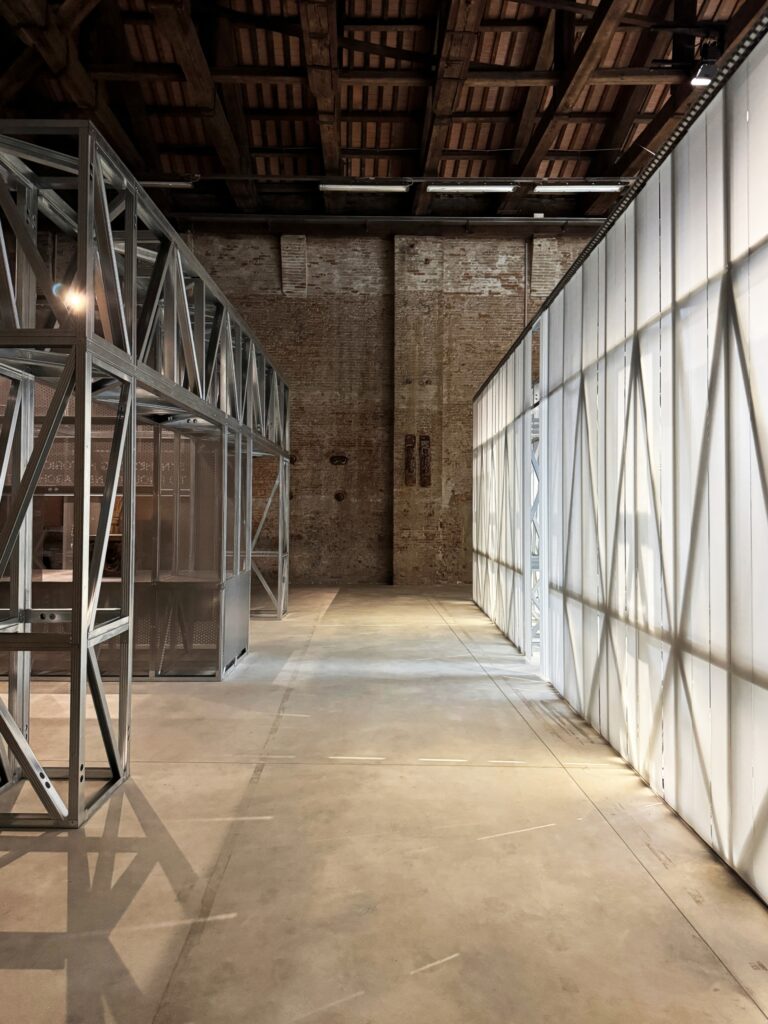
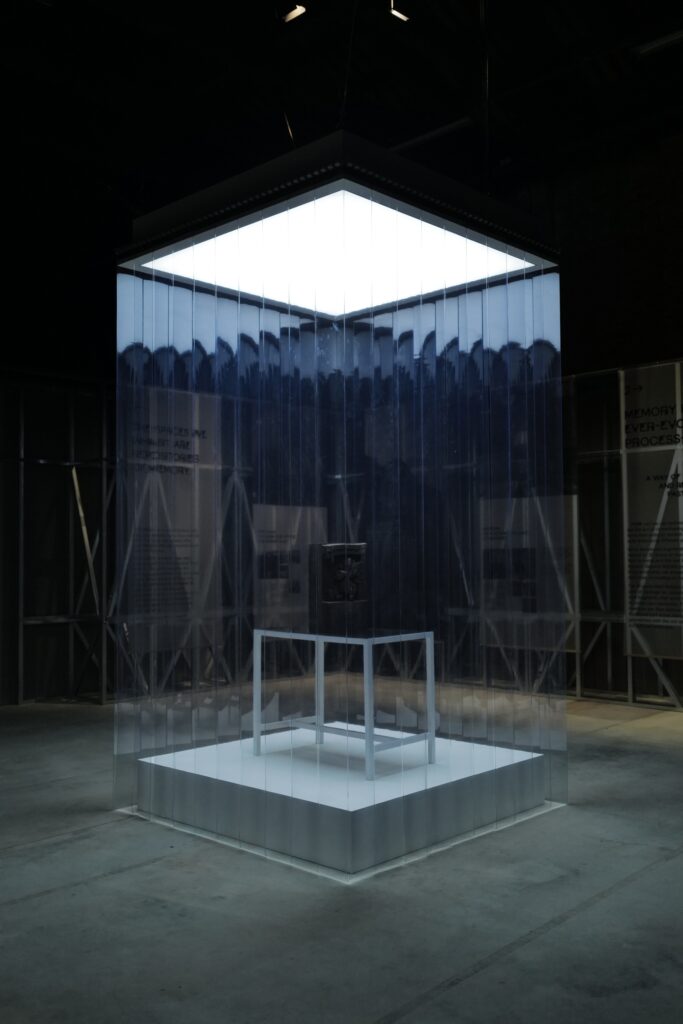
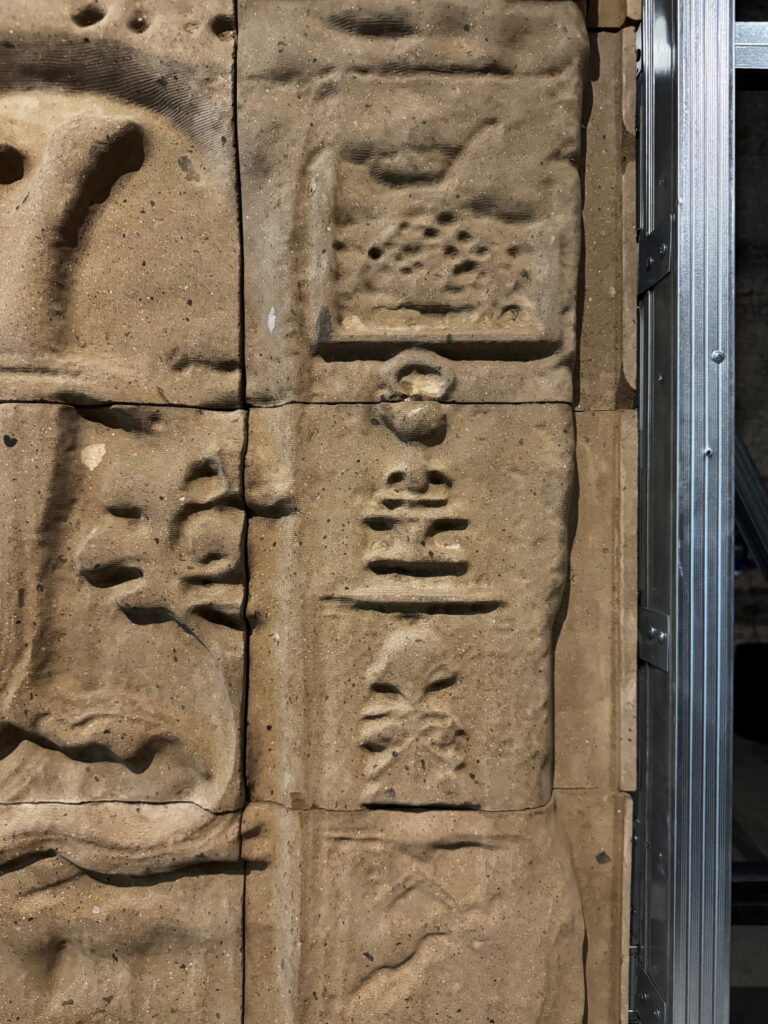
Photo credit: Marianna Karapetyan
When the opportunity came up to compete for the Venice Biennale exhibition at the Armenia Pavilion, TUMO partnered with architecture firm Electric Architects and began reaching out to people they’ve worked on past projects with who could collaborate.
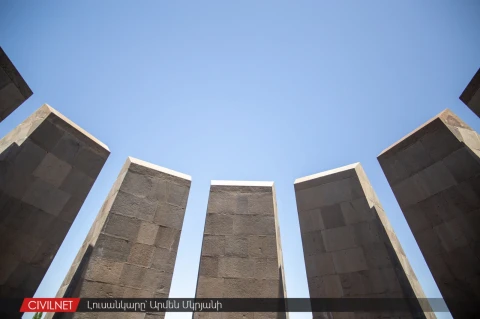
Based on the digital scans by TUMO, the team trained an AI model to generate new architectural forms, and those forms were then carved into tuff stone, a volcanic stone that has been used in Armenian architecture and monuments for centuries. Those new carvings are on display in the Armenia Pavilion at La Biennale.
Electric Architects founder Marianna Karapetyan describes the AI model as the way a human’s memory works. The model generates forms that have similarities to the real architecture but aren’t exact copies.
“You notice all these distortions from AI and it creates an even more emotional impact because you see that it's something real and unreal, that it's virtual, but still physical,” says Karapetyan.
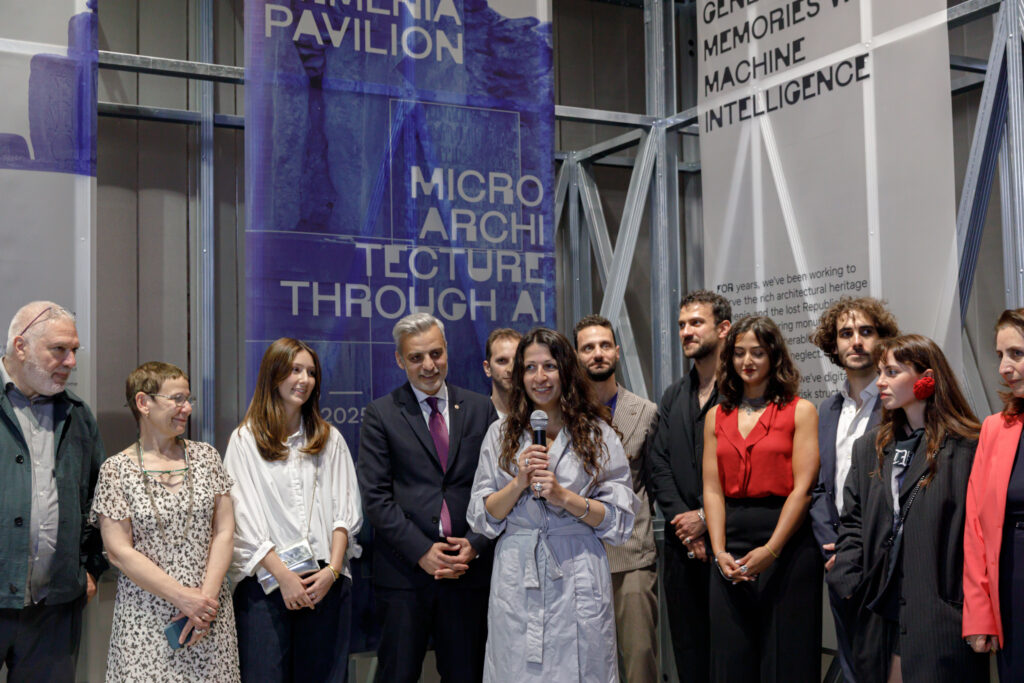
Memory is the core theme of the pavilion, and Kechichian says the idea behind the pavilion was to bring to life what lives in peoples’ minds. The physical architecture in Artsakh can no longer be physically accessed, and much of it has been destroyed.
“I think that's why memory is so important for Armenians, because a lot of our history now is just in our memories,” says Kechichian.
The use of AI in this project raises questions about how technology can be used in the future for preservation. This is the first time Electric Architects has used AI in this manner, and the success of the project showed Karapetyan how AI can be a creative tool rather than a human replacement. She says that in times where certain land is inaccessible, technology might be needed to preserve heritage.
“It may be the only tool right now because we don't have access to so many things that we have lost,” says Karapetyan.
Kechichian and Karapetyan both say the exhibit has received an overwhelming amount of positive reactions from people who have visited the pavilion.
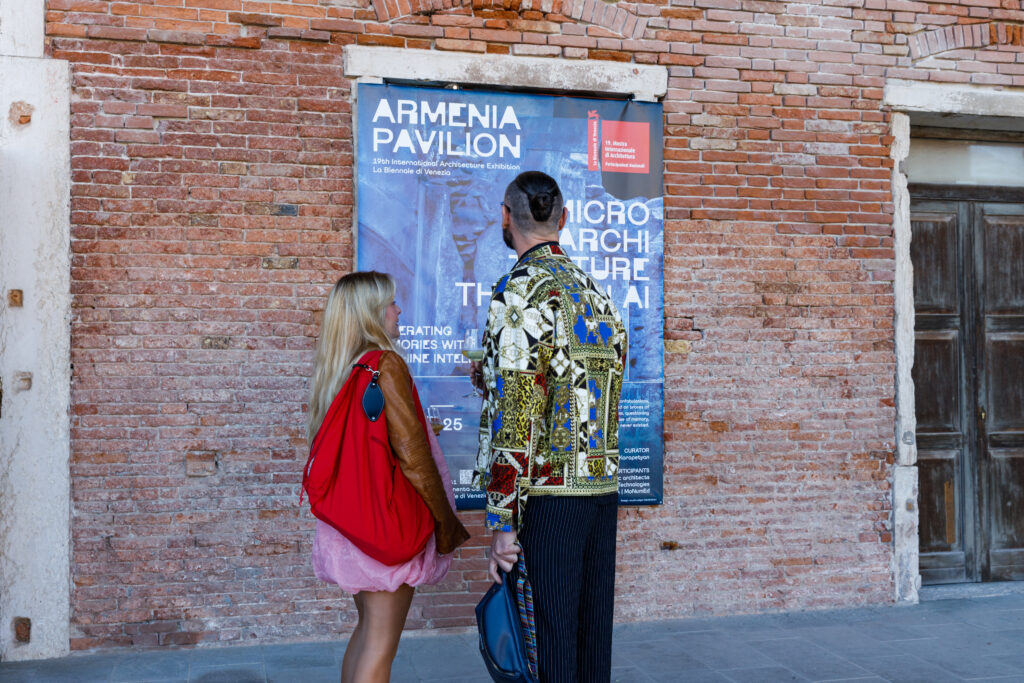
“As an Armenian, I was just proud of being able to present a pavilion that did not look less than any other pavilion,” says Kechichian.
Karapetyan recalls watching people become emotional at the exhibit, and says visitors told her it was an emotional experience to see these Armenian architectural forms physically carved into stone. She says experts praised the pavilion for using technology in such an impactful way, and the team wants this project to spark discussions about how AI can be used creatively in the future.
“I hope it encourages people to take their heritage that is extremely valuable and transform it as a resource for further creation and innovation,” Kechichian says.



 Stories