 Civilnet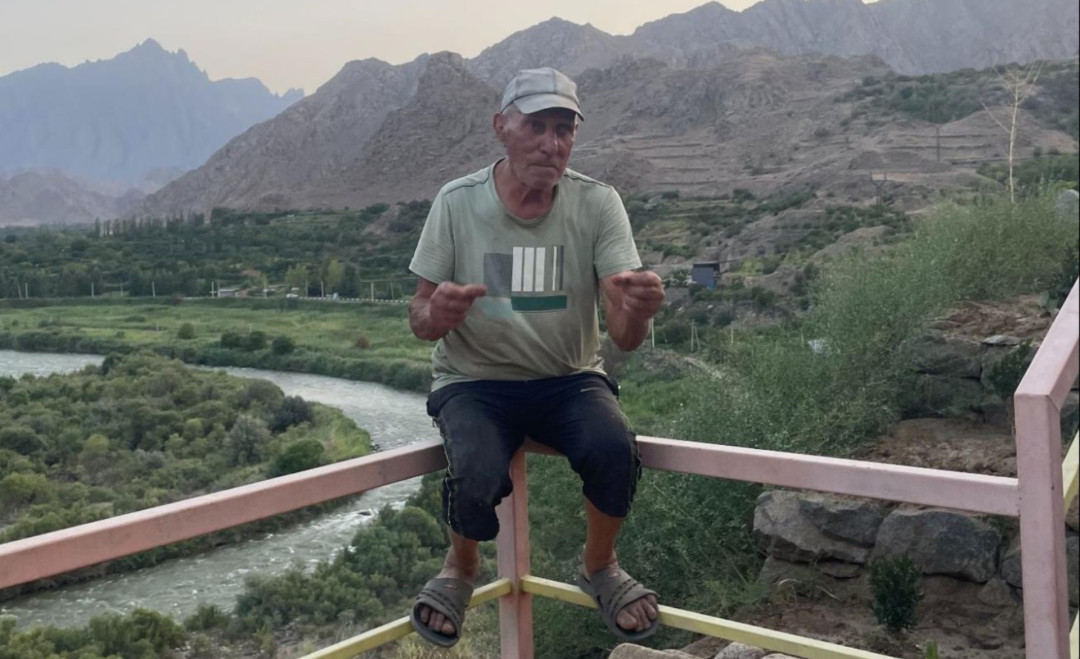
By Martha Gathercole
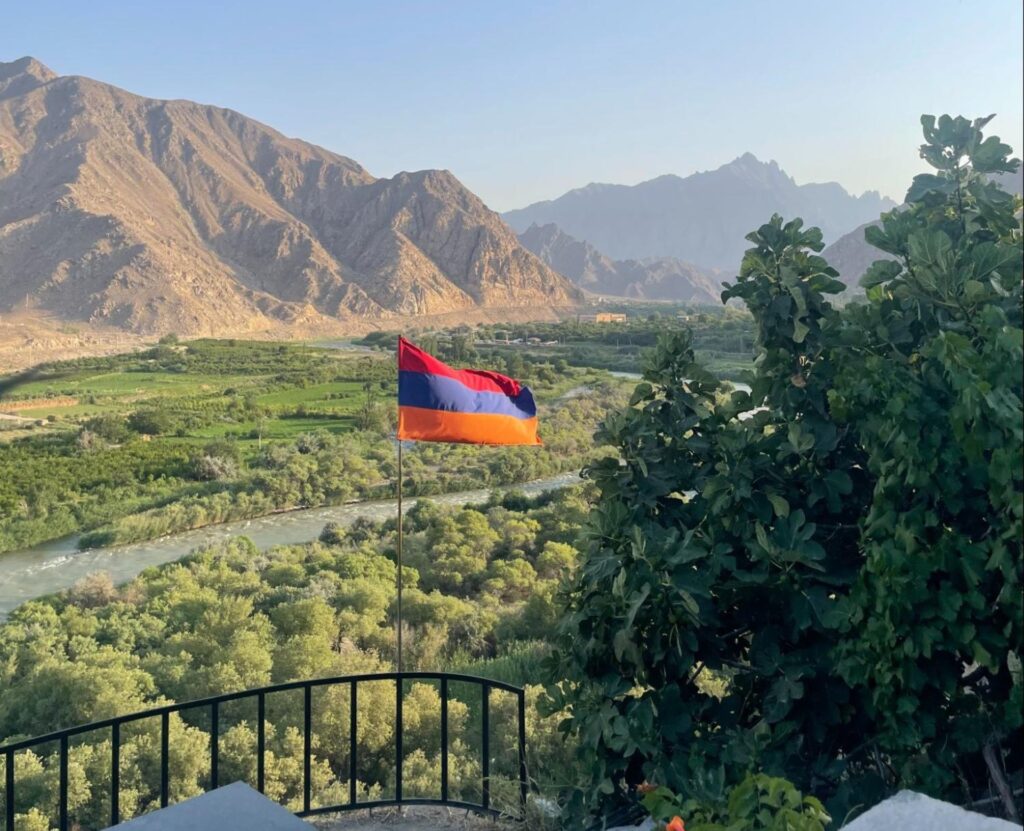
Perched on the edge of another world, I enter Zhora's garden on a mountainside leaning over the Araks river, which runs along Armenia's border with Iran. As the sun begins to set over the plunging valley, the flow of the river winds with a soothing whisper.
Along the Meghri highway, Armenia's southern border with Iran is ominously fenced over. It is one of Armenia's two open borders, along with Georgia in the north. The other two borders - Azerbaijan to the east and Turkey to the west - remain closed. Russian guards patrol the Armenian side of the border with Iran.
Meghri is in Armenia's southernmost Syunik region, a mere 42km-wide strip of land sandwiched between Azerbaijan and its Nakhichevan exclave. Тhe political uncertainties of this region and resistance from border guards have not stopped Zhora from cultivating a fruit garden here from scratch.
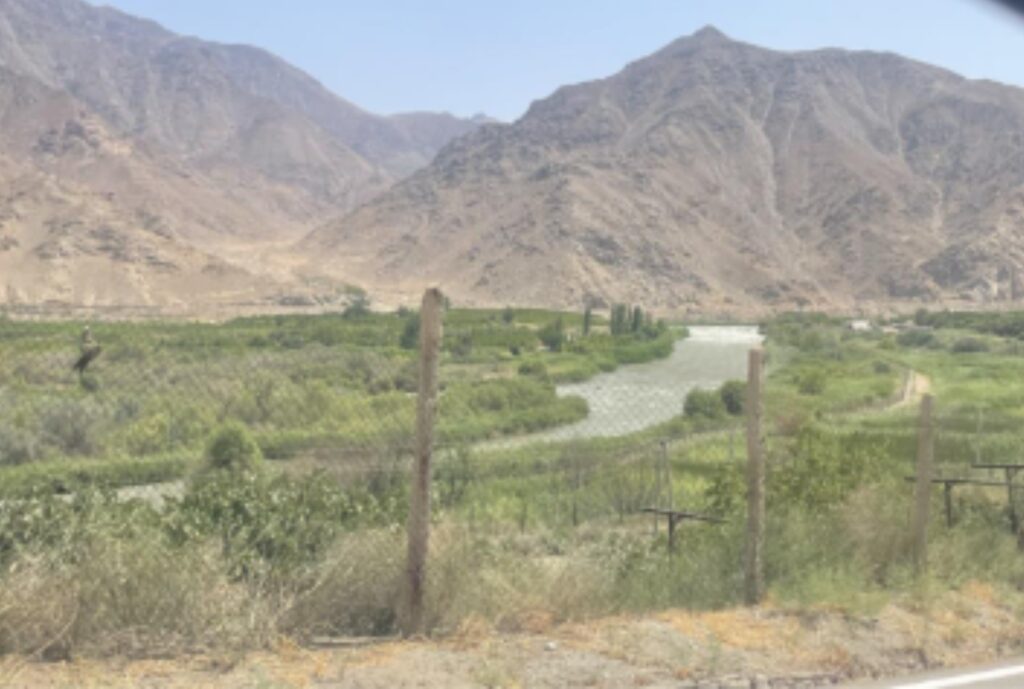
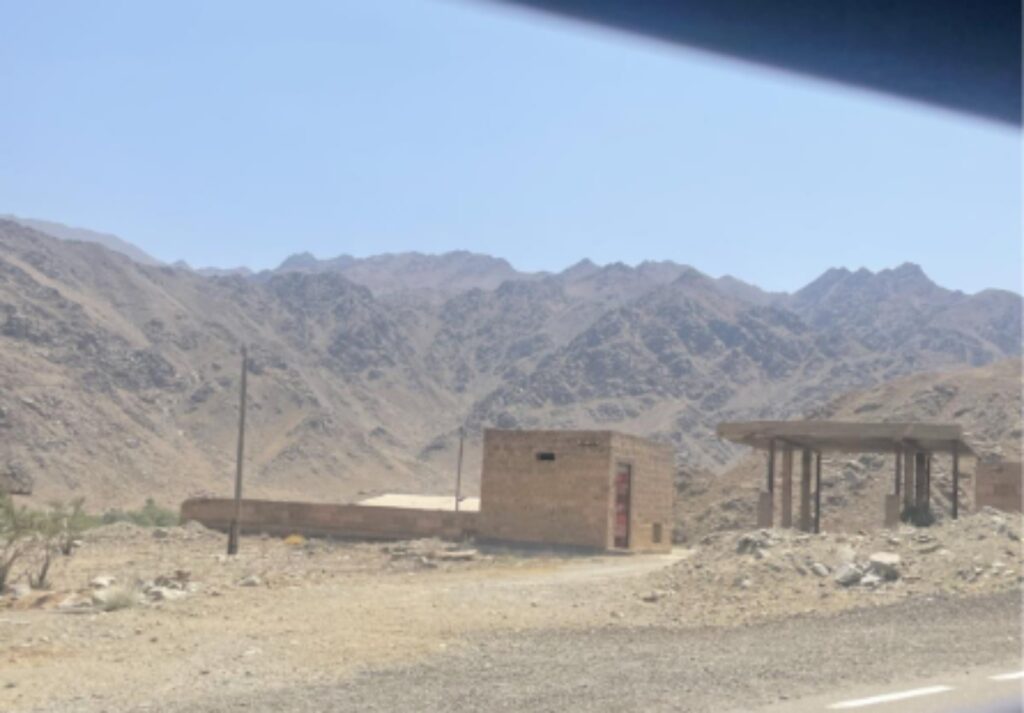
View from the car window driving along the border with Iran. (PHOTO: CivilNet/Martha Gathercole)
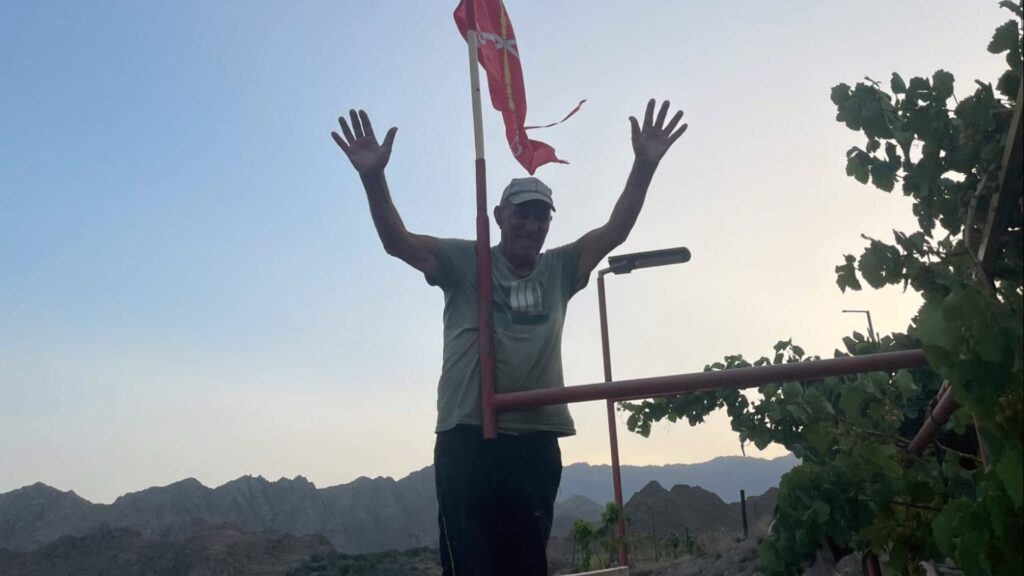
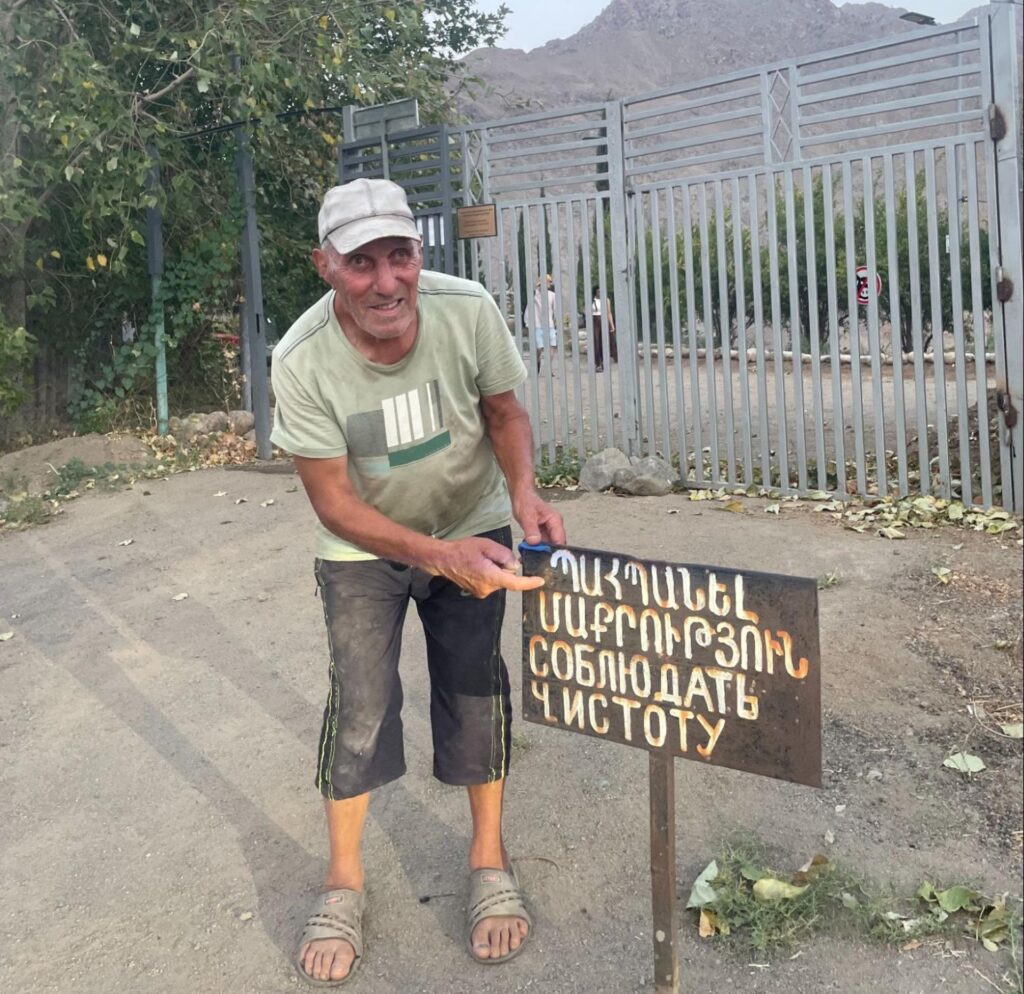
Zhora, when I ask him how old he is, replies “older than 40”, with a twinkle in his eye. He lived in Russia for 40 years before coming to Meghri to fulfil his life-long ambition of cultivating his own fruit garden on the border with Iran. He shows us around his extensive garden, which includes a little bed, with a treestump as his nightstand. He sleeps in the garden in the heat of the summers.
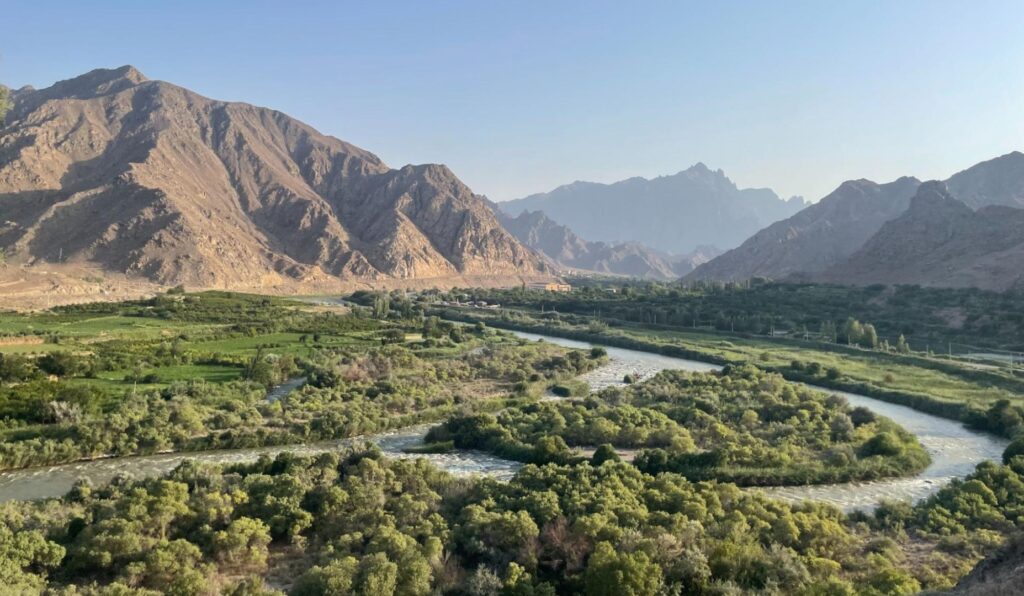
On multiple occasions, Zhora takes me by the arm and deposits me in different corners of his garden to try more of his fruit. I am instructed to sample peaches, pomegranates, kiwis. He credits the hot dry climate of Meghri for the fruits’ unique sweetness. It feels like being immersed in the natural beauty of the Garden of Eden, except this time, no fruits are off limits.
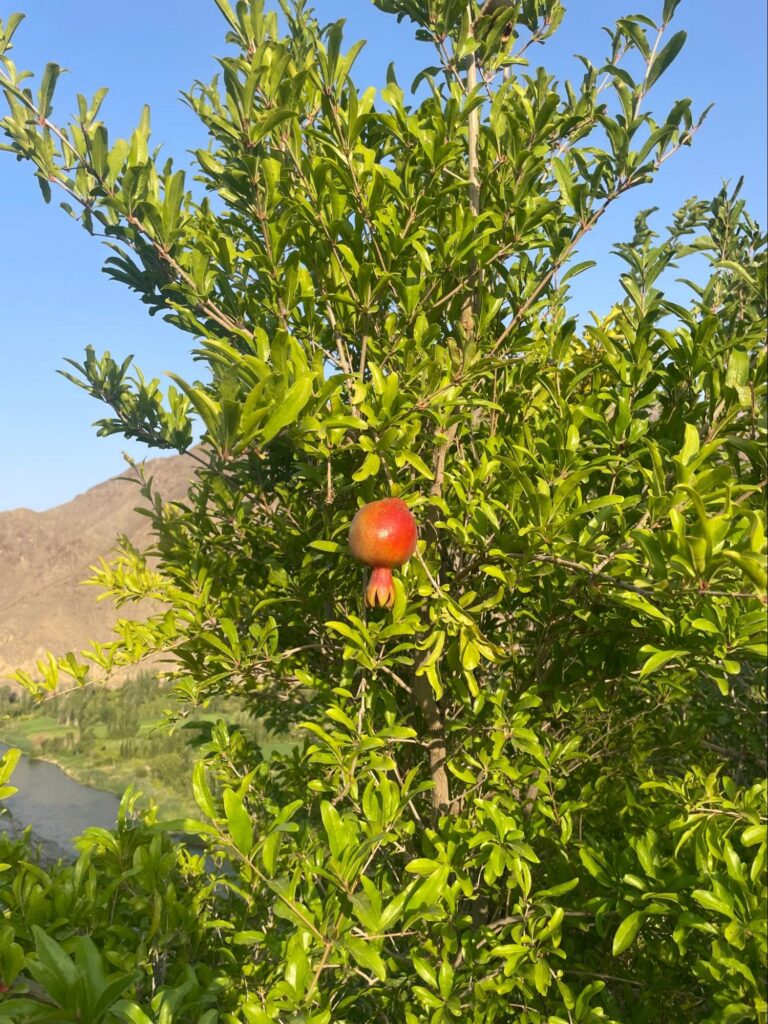
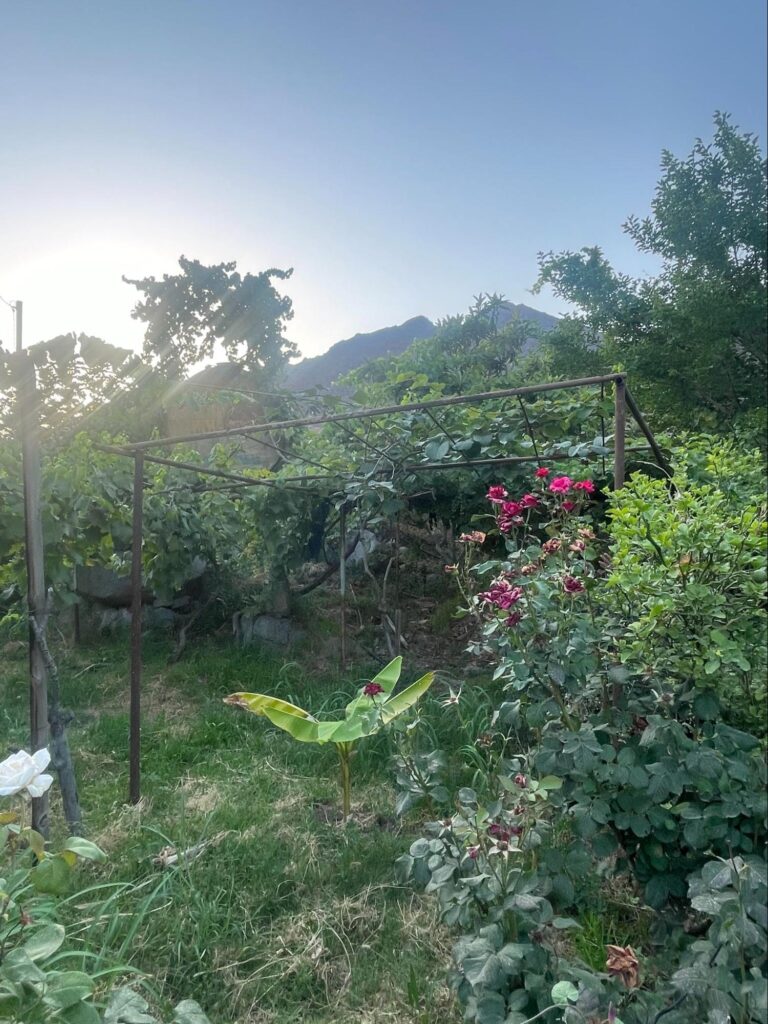
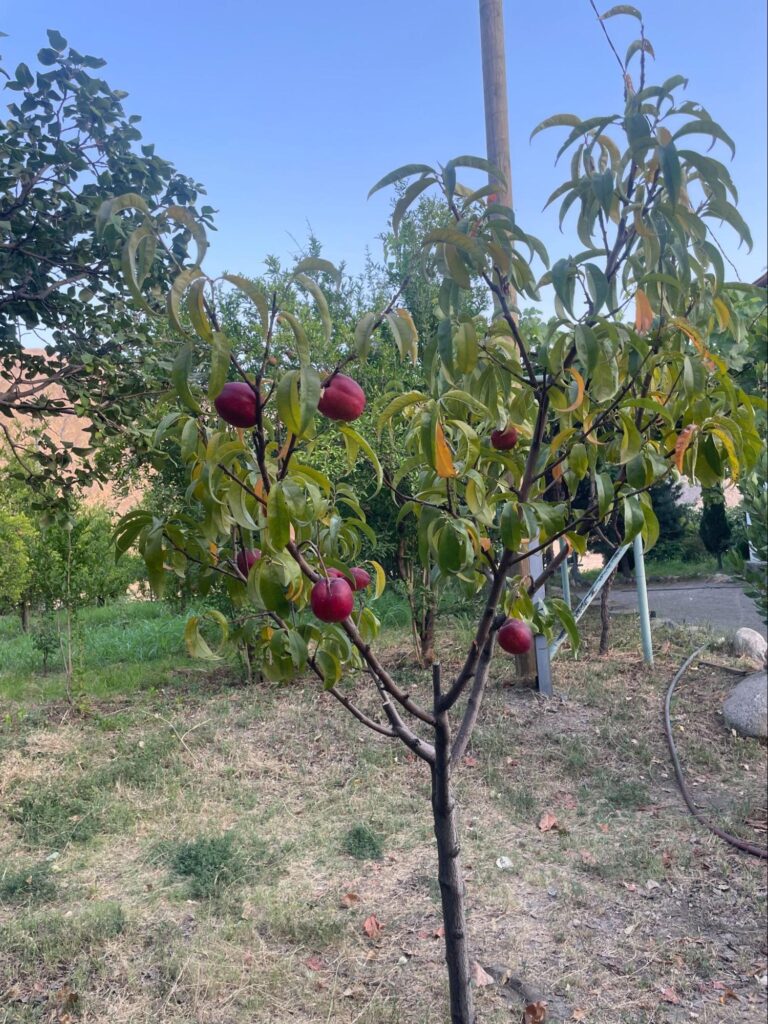
(PHOTO: CivilNet/Martha Gathercole)
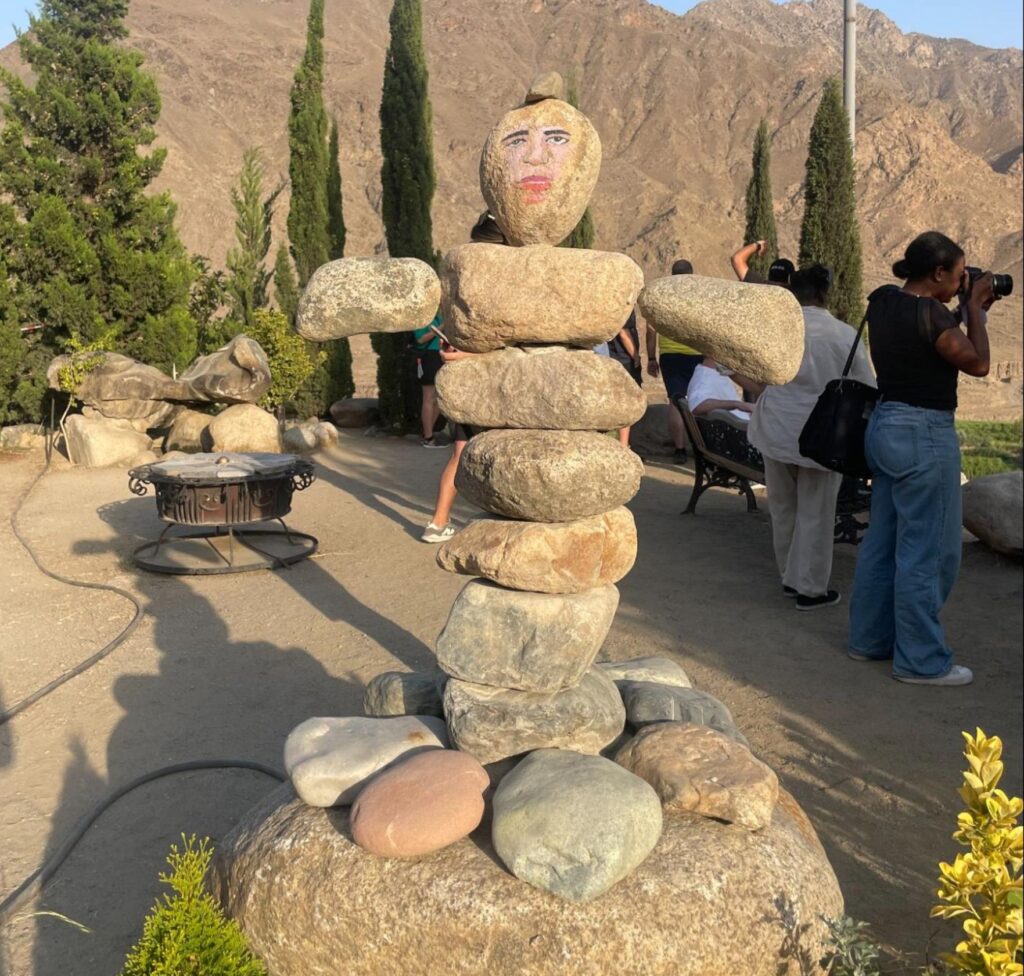
Russian border guards stationed on the Armenian side of the border opposed the creation of Zhora’s garden, but this did not stop the vision for which he left his job and family in St. Petersburg. He has paid homage to the city, however, in the St Petersburg-themed viewing platform, built overlooking the river – a conspicuous peculiarity that only adds to the melting pot of cultures here in this garden.
To Zhora, his garden is his home and his masterpiece, rather than a geopolitically tense border region. My Armenian friend with me remarks that this garden is a glimpse into what a world without borders might be like. Zhora chose Meghri to grow his garden in because it was his childhood home, and even a long career in Russia could not undo his desire to return.
Between the 16th and 18th centuries, Meghri became part of the Persian empire multiple times. Thus, Iranian and Armenian cultural exchanges have always been integral to the beating heart of Meghri. In the 18th century, David Bek, an Armenian military commander, led a campaign to free Meghri from the Ottoman Turks. Bek also rebuilt the Meghri fortress and, from there, defended the town from Ottoman rule with an army.
However, today, Zhora tells of his friendships with neighbouring Iranians, giving me a dramatized account complete with character impersonations and alternating accents. In the mornings, he says he goes down to see Iranian fishermen and greets them with a shout of "Salam Alaikum". They exchange a few words in Farci, including the word "mahi", which he tells me means fish. Zhora seems unbothered by borders and guards. Here, different cultures mix rather than clash.



 Stories