 Civilnet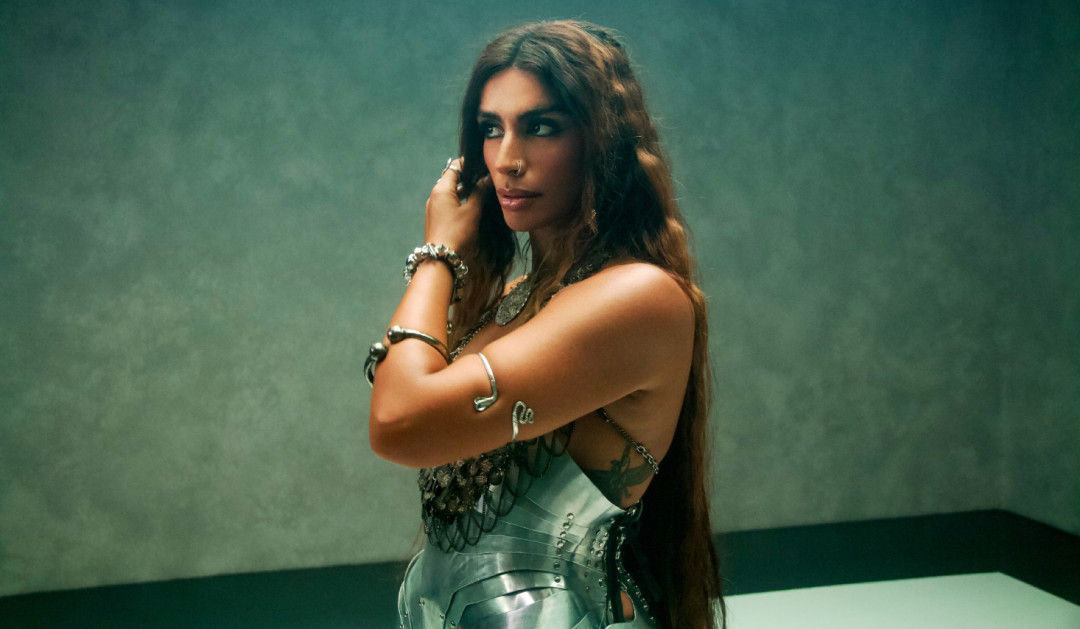
By Alexander Pracht
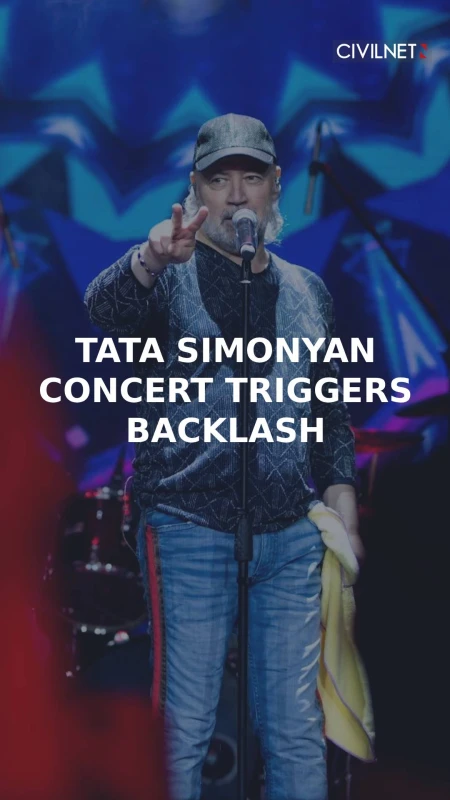
The organisers of a major music festival in Armenia announced on Monday that Iranian–Dutch singer Sevdaliza would not perform, following public backlash over her recent music video that uses Christian imagery in erotic scenes.
In a short statement posted on social media with comments disabled, the organisers of the festival, scheduled for this weekend, said simply: “Sevdaliza will not perform.” They promised to announce the replacement act or acts in the coming days.
The decision came a day after the festival hinted that it was reconsidering the headliner, stating it had “heard and acknowledged the opinions and concerns surrounding Sevdaliza” and was reviewing the situation with partners. The earlier post drew hundreds of comments, with some calling the artist’s appearance “a shame for the first Christian nation,” while others urged organisers not to “give in to a crowd that hasn’t even bought tickets.”
The backlash centered on Sevdaliza’s video for her song Messiah, released in June, which features erotic imagery with Christian symbols. Critics accused her of disrespecting Armenian values, while supporters argued cancelling the performance was a retreat into “a medieval mindset.”
Religious groups also joined the criticism. The Facebook page Srbazan Hayastan (Sacred Armenia) Initiative denounced the concert as a “spiritual attack” on Armenia, warning of “war and sorrow” if such events were allowed. Some commentators, however, suggested the cancellation may have been a marketing tactic, claiming Coca-Cola, which sponsors the event, gained favourable publicity among conservative audiences.
Armenia has seen similar controversies in recent years. A 2019 concert by Polish death metal band Vader was moved after protests, while Russian rapper Morgenshtern’s 2022 show was cancelled following accusations of “satanism.” In August 2023, a concert by exiled Russian pop band Little Big was called off in Yerevan after a video surfaced showing the band’s leader riding a skateboard made from a cross, sparking public outrage.

 Stories