 Civilnet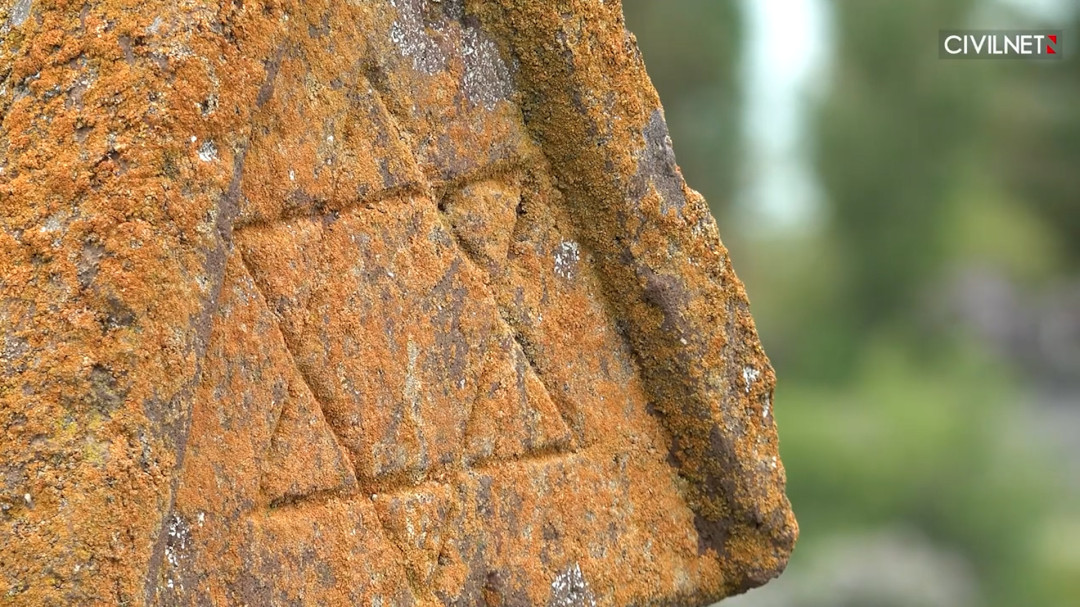
Anya Eganyan
The history of the Subbotniks spans more than a century and a half. Once exiled peasants of the Russian Empire, they became a small but a strong Jewish community in Armenia. But who were the Subbotniks?
“Originally, they were Russian peasants who decided to follow the teachings of Moses. But since they did not work on Saturdays and observed the Sabbath, everyone called them ‘Subbotniks’ — from the Russian word subbota, meaning ‘Saturday.’ In 1825, Nicholas I officially recognized the Subbotniks as a Jewish sect, and the Russian Empire began deporting them to what is now Sevan,” explains Lasha Shakulashvili, a lecturer at Tbilisi State University and a specialist in Judaic studies and Yiddish.
Back then, the town of Sevan was known as Yelenovka, and it became the destination of Subbotnik exiles. At their peak, around 400 Jewish families lived there. By 1887, the community was large enough that its first death and marriage records began to appear in registry books, now preserved in the National Archives of Armenia in Yerevan.
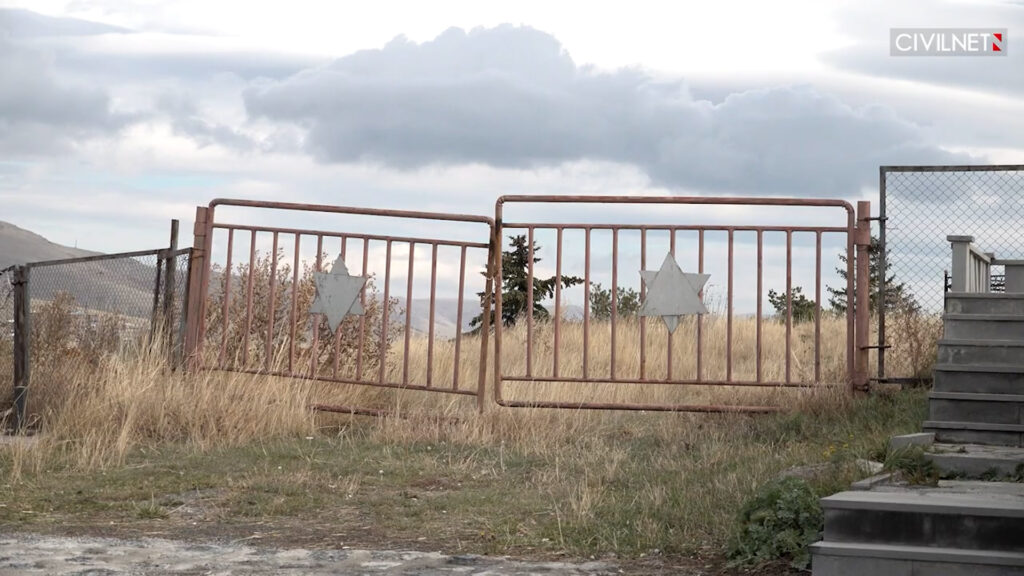
One of the few visible reminders of their presence is the Jewish cemetery in Sevan.
The Star of David still adorns its gates and tombstones, some engraved with Hebrew calendar dates, others inscribed with the Ten Commandments. Among them stands the tombstone of the Ershov family. Isaiah Ershov, the head of the Subbotnik community, was exiled from Crimea together with his wife.
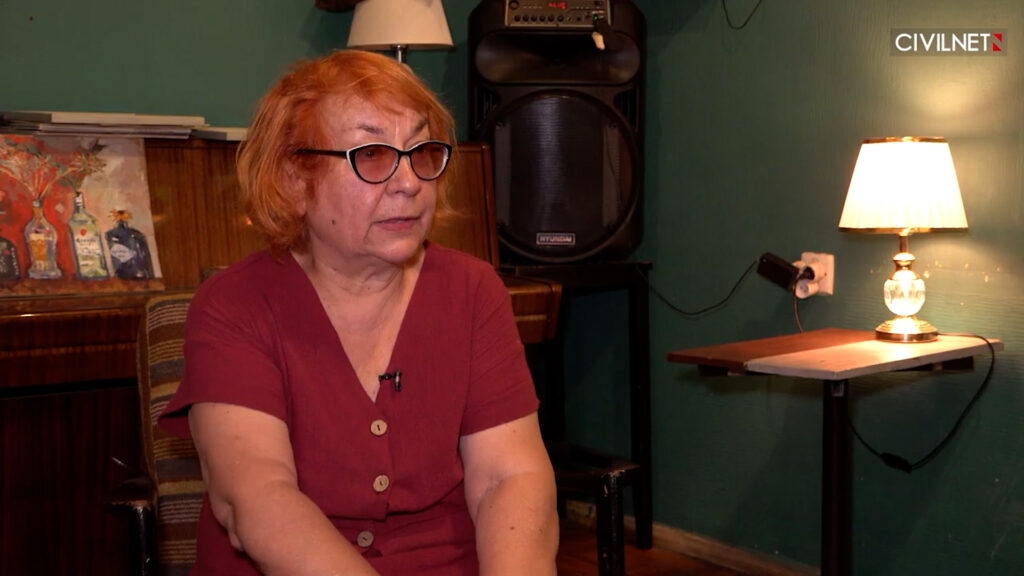
“They were from a Crimean fortress,” Evelina Gyulnazaryan, great-granddaughter of Isaiah Ershov, recalls. “They fled because they were forced to eat something forbidden — pork. They kept being driven farther and farther away, and when they finally reached Sevan”.
The first Subbotnik house in Sevan belonged to Isaiah Ershov himself. Inside, he kept a Torah scroll, which he read with his family. Despite exile and pressure to assimilate, many Subbotniks preserved their ethnic and spiritual roots, as reflected in the Russian surnames carved into the gravestones.
At that time, Sevan’s Subbotnik community had two synagogues and three Torah scrolls. Yet, their arrival was not the first chapter of Jewish history in Armenia. “The oldest Jewish tombstone in Armenia that I can show you dates back to the 13th century,” says Shakulashvili. “It bears a beautiful inscription in Aramaic. Then came another wave of migration in the 14th century, and by the early 19th, European Jews arrived — followed a few years later by the Subbotniks.”
Nearly five thousand Jews fleeing the Holocaust found refuge in Armenian cities during the early 20th century.
Today, efforts to preserve this layered history continue. Nathaniel Trubkin, head of the Yerevan Jewish Home, is among those documenting the lives of Armenia’s Jewish communities across centuries. Together with his colleagues, he is producing a film that tells the story of small but resilient groups of migrants.
“We are Russian Jews who moved to Armenia after 2022,” Trubkin explains. “For us, it is very important to understand the context of this land, the Jewish history of this land. That is why we are trying to draw attention to historical facts such as the story of the Subbotniks, because we feel a connection to this land and its history.”
After the fall of the Soviet Union, the story of Armenia’s Subbotniks entered a new chapter. Facing economic collapse and linguistic isolation, many families once again emigrated some to Russia, others to Israel. The Ershov family, however, never managed to relocate to the Holy Land, though Isaiah had once bought a small plot of land on the banks of the Jordan River.



 Stories