 Civilnet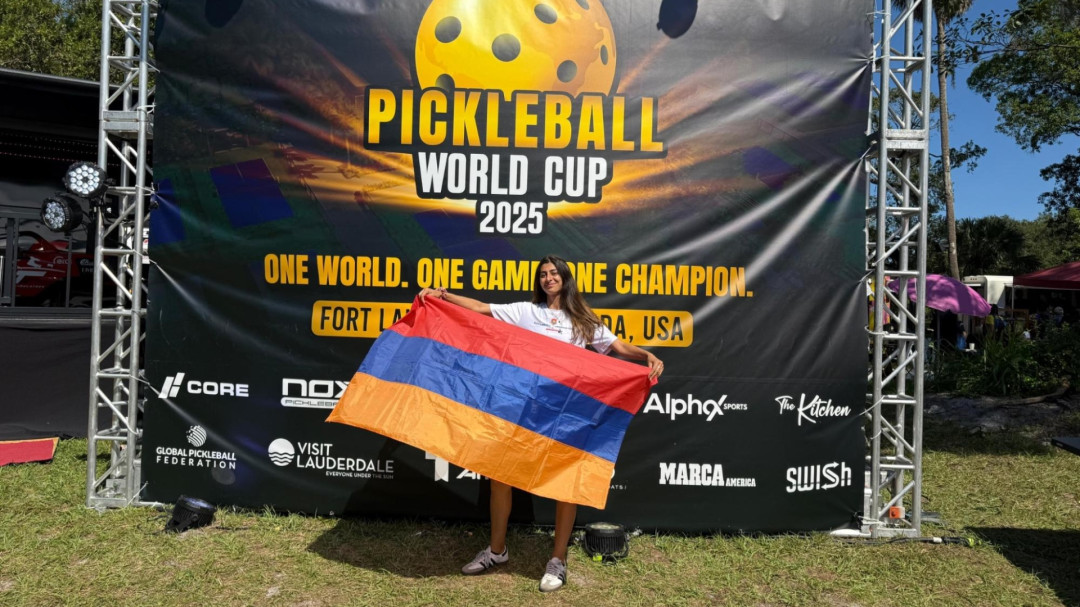
By Alik Garibian
The Pickleball World Cup in Miami, which took place just weeks ago, marked a historic moment for Armenia. For the first time ever, the country fielded a national team.
Pickleball is a fast-paced American sport similar to tennis, and is played with short-handled paddles and a perforated plastic ball. The Armenian team reached the playoffs, finishing 33rd out of 68 countries. Among its standout players was Isabelle Papazyan.
“It was the best feeling seeing my name with the Armenian flag next to it,” she recalls. “I had goosebumps. Representing Armenia on the world stage was a dream I’ve had since I was a kid, and it finally came true at 23 years old.”
Born and raised in Australia, Papazyan never felt torn between identities.
“My accent is thick, and it’s never going anywhere,” she laughs,
But when it came to choosing which nation to represent, her decision was clear. Armenia, she explains, rarely gains visibility in global sport, particularly in emerging disciplines like pickleball.
“If I can be the Armenian who brings awareness to a rising sport, who helps others discover a new path or simply find a place to play after work, then everything I’m doing has a purpose,” she says. Her mission is both ambitious and deeply personal: open doors for more Armenian athletes.
From rising star to starting over
Just a few years ago, Isabelle could hardly have imagined herself back on a court. She had been a professional junior tennis player, dedicating her entire life to the sport. Starting at eleven, she quickly climbed the ranks in Australia, winning tournaments and earning a place in the national academy. By eighteen, she had a top-250 junior ranking, WTA points, and was on the path to the pro tour.
“I was doing eight, nine hours of training a day. Waking up at 4 a.m. I wouldn't get home till 9 p.m., trying to still do school,” she recalls.
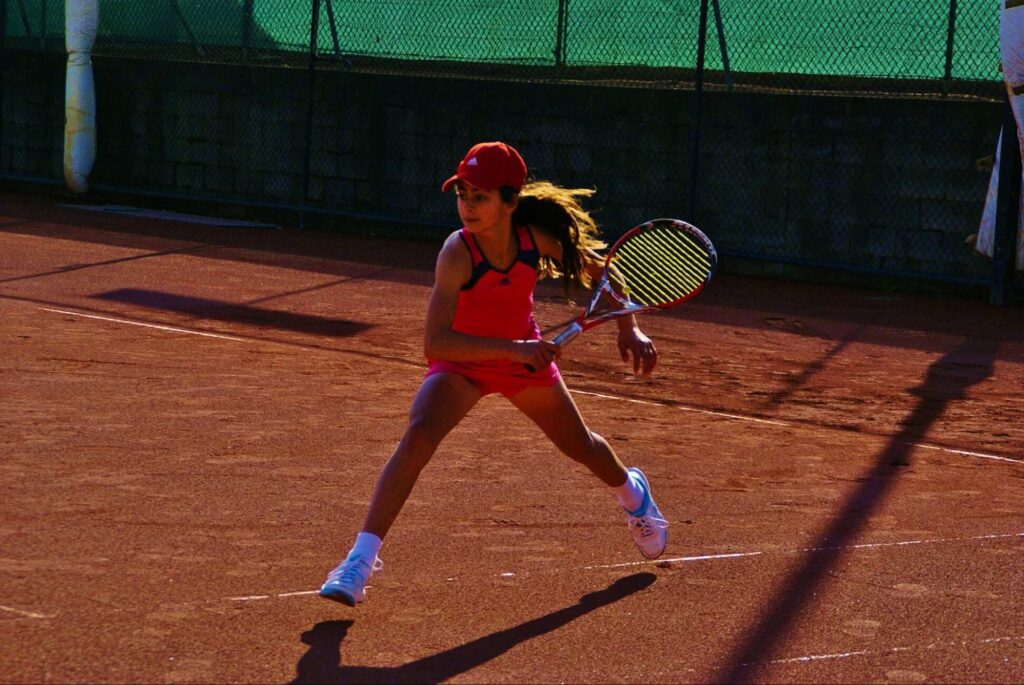
“You have to represent and achieve—for your people. For me, that was tennis. I wanted to become the best in the world, to be a pro. It wasn’t just about me; it was about representing Armenia and building something meaningful for my homeland.”
Yet, the sport came at a cost. “It wasn’t the easiest ride. It was filled with pressure and experiences that I took pretty heavily. I started growing out of love with it.” Isabelle quit tennis several times, only to return, driven by the identity she had built around it. When COVID hit, she was forced to step back and ask herself if the relentless mental, emotional, and physical toll was worth it. In 2020, at eighteen, she finally walked away.
“It was a really tough time because the most formative years of my life were tennis. I left school for it. I did everything for it. It was all my identity.” Her goals, her social life, even her sense of self revolved around a racket and a ball. Suddenly, she was navigating a normal life that felt completely foreign. Gym sessions triggered panic attacks; tennis courts became a source of anger and PTSD.
During this period, Isabelle tried to rebuild. She enrolled in university, started a jewelry business, and explored Armenian dance and futsal, searching for purpose and stability.
Road to the World Cup
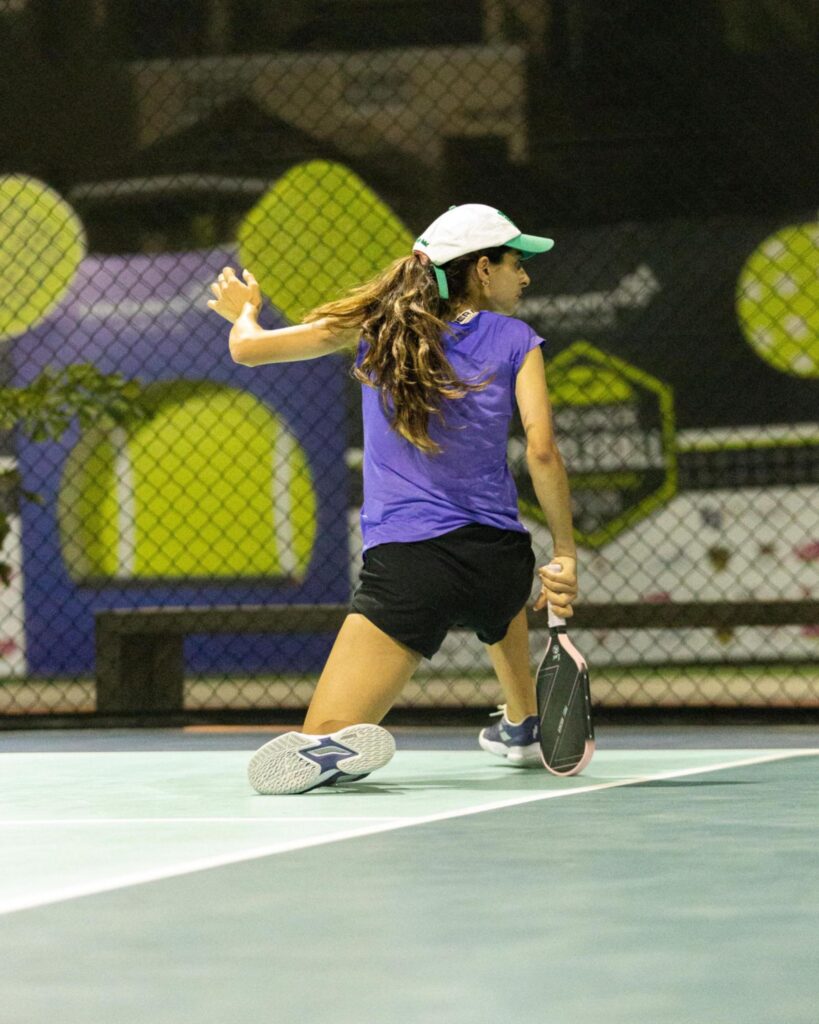
Her return to competitive sport came from the most unlikely place - pickleball. In early 2024, an old friend messaged her about an opportunity in a Melbourne professional league. At the time, Isabelle barely knew what pickleball was. Yet the team finished second in the country.
“We had such a good season,” she recalls. “And weirdly, I didn’t associate it with tennis at all, even though the sports are similar. My mentality was different. I didn’t have that trauma response.” She played in the league from August to November 2024. By the end of the season, she had a new goal. Pickleball became more than a game; it was a second chance - way to compete, represent Armenia on her own terms, and reclaim the identity she had lost. “I never thought I’d get back into competitive sport ever again,” she shares. “Then I found pickleball. I thought, I’m going to revive this dream that I had at 14.”
From January to June 2025, Isabelle played tournaments and leagues across Australia and the world. She ranked in several events and won some, but her return was far from smooth. A shoulder injury in June threatened to derail her progress. Months of rehab, laser therapy, massages, and even needles became her routine. Some days she would lift weights without pain, only to have a simple, unguarded motion set her back.
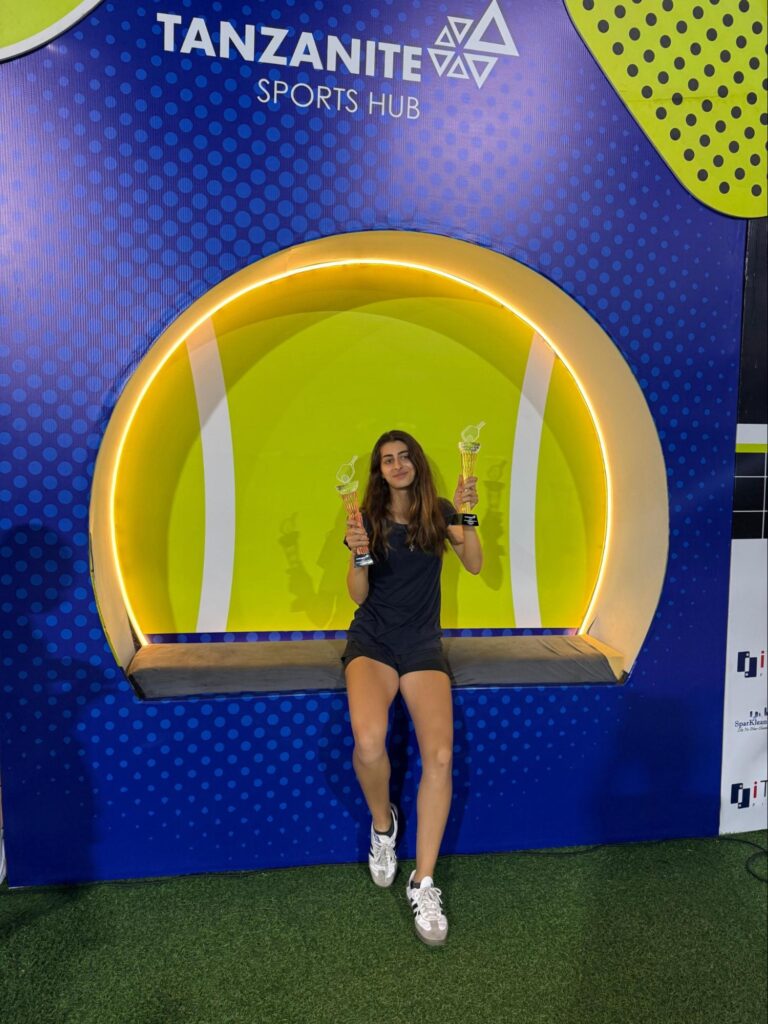
She stayed off the competition circuit until October, when she finally felt strong enough to enter a tournament in Tanzania just before the World Cup. There, she won the women’s singles title—her first pro singles gold—and finished third in women’s doubles. “My shoulder still gave me a bit of pain here and there, but it didn’t stop me from playing. It was a good comeback after three or four months of not competing.”
Growing Pickleball in Armenia
Today, Isabelle’s mission goes beyond her own career. She is focused on planting the seeds of pickleball in Armenia, a country where the sport is virtually unknown. “Whenever I return to Armenia, I’m establishing small groups and clinics—completely free. I don’t want to charge money; I just want to build awareness and a community,” she explains. Her aim is to inspire, teach, and create opportunities for others, letting the sport grow organically from the ground up.
Beyond Papazyan’s journey, pickleball is booming worldwide. Big names like LeBron James have invested in the sport, drawn to its accessibility, speed, and social nature. “It’s faster, more dynamic… you can get to a decent level in just a couple of weeks or months,” Isabelle notes. Unlike more traditional sports, where years of training are needed to compete, pickleball offers newcomers a chance to find enjoyment and success quickly. Its rapid growth in the United States has sparked talk of a possible Olympic debut as early as 2028,, a prospect that now stands as Isabelle Papazyan’s next big goal — and a dream she hopes to chase.



 Stories