 Tigran Grigoryan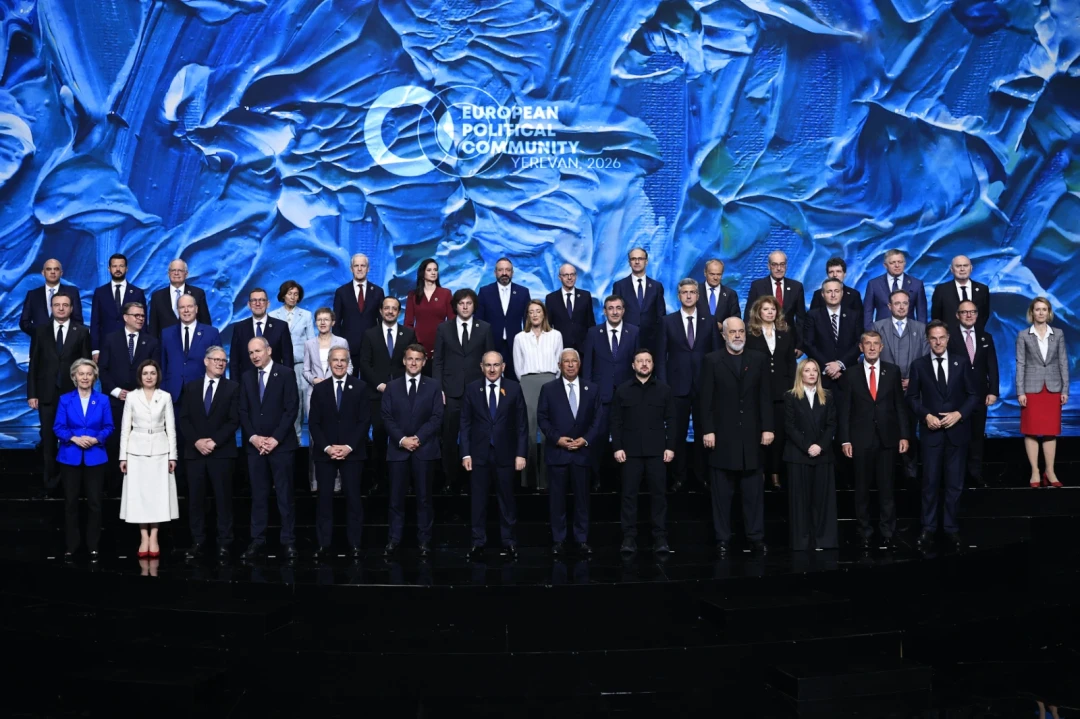
In June 2023, I was in Brussels with a small expert group holding meetings with representatives of key institutions working on the South Caucasus. Apart from meetings at the European Parliament, which has been actively involved in Armenia-related issues since the end of the Second Karabakh War, our impressions from discussions at other EU institutions were rather grim. Armenia was not an important item on Brussels’ agenda compared to its neighbors, Georgia and Azerbaijan. The only topic EU officials seemed interested in was the Armenia-Azerbaijan peace process and Brussels’ mediation role in it. Shortly after that trip, I wrote a column for CivilNet reflecting on these impressions.
The impressions from my most recent trip to Brussels, which took place this February, were very different. Armenia was at the center of discussions related to the South Caucasus. The bilateral agenda has become far richer over the past couple of years, and the upcoming elections in Armenia were among the hottest topics. Interestingly, alongside our small expert delegation, there was a separate conference organized by the EU and dedicated solely to Armenia, bringing together dozens of Armenian experts, civil society actors, and officials.
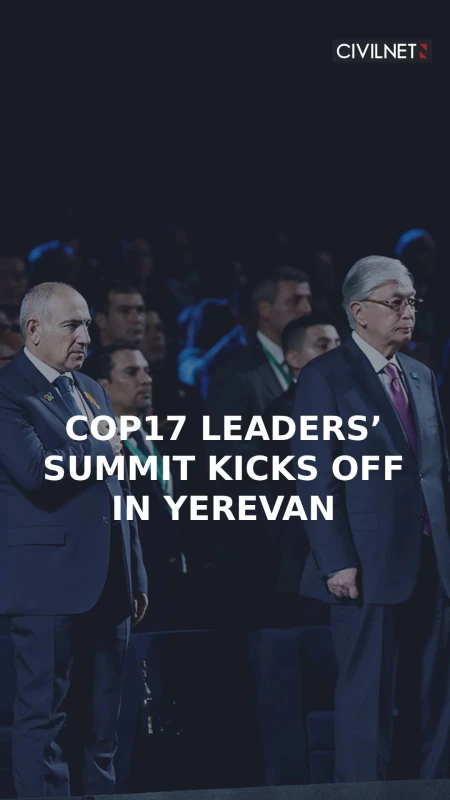
The summit of the European Political Community and the first-ever Armenia-EU summit held in Yerevan on May 4–5 reflected both the growing dynamism of the bilateral agenda and Armenia’s newly acquired role as the EU’s primary partner in the South Caucasus. The timing of the summits also carried a clear political message. The fact that both gatherings were organized just one month before Armenia’s upcoming parliamentary elections was hardly a coincidence. This is particularly true for the EU-Armenia summit, whose main purpose was likely to strengthen Prime Minister Nikol Pashinyan’s standing ahead of a crucial vote.
This approach by the EU can be explained by several factors. First, as already noted, having effectively lost Georgia as its main partner in the region, Brussels sees its open and unambiguous support for Pashinyan as a pragmatic way of preserving its presence and influence in the South Caucasus.
The highly geopoliticized nature of the upcoming elections also contributes to this approach. Armenia’s geopolitical orientation and the future direction of its foreign policy are set to become central themes of the electoral campaign. While the ruling party speaks about diversifying the country’s foreign and security policy and reducing reliance on Russia, the main opposition forces — represented by former president Robert Kocharyan’s alliance and the newly established “Strong Armenia” party led by Russian-Armenian businessman Samvel Karapetyan — emphasize the need to restore ties with Russia, viewing them as essential for Armenia’s security and stability.
These factors push the EU toward a pragmatic approach in its dealings with Armenia. This approach is reflected not only in the decision to hold these high-profile summits on the eve of crucial elections, but also in the lack of reaction from Brussels to many instances of overreach and rule-of-law violations by Armenia’s ruling party.
This strategy may make sense in the short term — although, in reality, the ruling party is likely capable of winning the upcoming elections even without external support. In the long run, however, it risks harming both Armenia’s prospects for democratic consolidation and the EU’s standing in the country.
If the EU is genuinely interested in Armenia’s democratic future and does not wish to repeat the mistakes it made in other countries and similar political situations, it must rectify its approach, at least in the post-election period, and adopt a more principled policy toward the Armenian government. Turning a blind eye to anti-democratic trends and pretending that everything is progressing smoothly in Armenia’s reform process is a recipe for future failure. This should include stronger support for genuinely independent media and civil society actors in their efforts to hold the government accountable, as well as greater attention to the troubling developments unfolding in the country.
Returning to the broader bilateral agenda, the summits held in Yerevan and the documents signed there clearly reflect Armenia’s growing importance in the EU’s regional strategy. At the same time, the depth and limits of this growing partnership are constrained by Armenia’s structural dependence on Russia in the spheres of energy, trade, and the wider economy.
Moscow’s recent harsh reactions, along with its thinly veiled threats and warnings directed at Armenia, reflect this reality. Reducing these dependencies will require coordinated, patient, and largely quiet work by Brussels and Yerevan — a process that will take years.
Given the growing number of threats coming from Moscow, Brussels should also develop contingency plans for Armenia in the event of a serious escalation by Russia through the use of economic and energy leverage. Such preparations would not only strengthen Armenia’s resilience but also demonstrate the EU’s long-term commitment to supporting the country’s sovereignty.

 Stories