By Anush Petrosyan
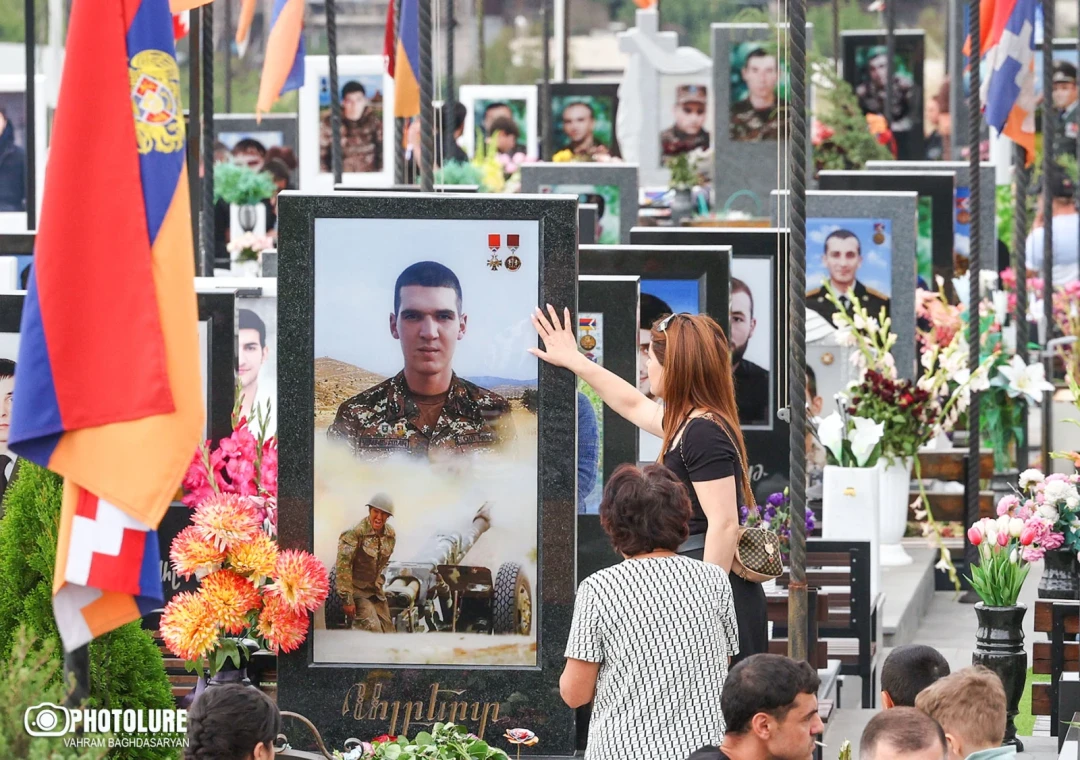
September 19 has become a striking symbol of Armenia’s fractured collective memory. While hundreds of people gather at Yerablur and elsewhere to mourn those killed and remember the loss of Artsakh, concerts, food festivals and other celebrations take place across the country—with no official ceremony marking one of the most consequential days in recent Armenian history.
September 19, 2023, was the beginning of Azerbaijan’s final military offensive in Artsakh. Within days, more than 100,000 Armenians were forced to abandon their homes. For the first time in its history, Artsakh was left without its indigenous Armenian population.
The Azerbaijani attack killed 223 people, including 20 civilians, six of them children. Another 218 people died in an explosion at a fuel depot near Stepanakert, while 21 people remain missing. During the exodus, 64 people died on the road and 16 were captured. Artsakh’s military and political leaders, along with several other Armenians, remain imprisoned in Baku.
Yet in the three years since, Armenia has held no state-level ceremony commemorating this tragic chapter of its history.
On September 19, 2026, festivals, concerts and cultural events were held or scheduled across Armenia.
The Gata Festival took place in Khachik, a village in the Vayots Dzor region. Dzoraghbyur hosted the Harvest Festival 2026, while Zar, in Kotayk, was set to hold the National Rituals Festival, dedicated this year to Armenian wedding traditions.
In Yerevan, actor Khoren Levonyan’s Cinema and a Little More program was scheduled for the roof of the Aram Khachaturian Concert Hall. Another concert program was planned at Seasons Park.
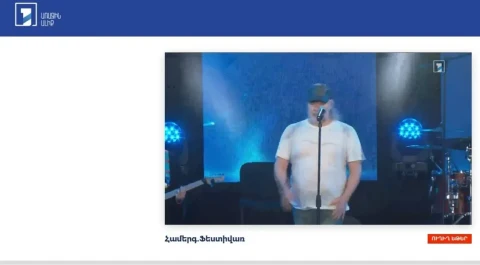
A major concert was also scheduled in Kapan, in the southern Syunik region, featuring the popular Armenian bands Nemra, Reincarnation and Dophamine. This is Syunik, where people live just a few kilometers—and in some places only a few meters—from Azerbaijani military positions. These are the forces that killed Armenians not in the distant past, but in 2020, 2022 and 2023.
This is not about banning celebrations
There is nothing inherently wrong with concerts, festivals, food or cultural events. A society cannot—and should not—be expected to live in permanent mourning.
But what does it mean to hold major celebrations on a date that carries such profound pain for thousands of Armenians?
Should organizers consider the significance of September 19? Should artists understand what the date represents? Should municipalities think about how families who lost loved ones, homes and entire communities might experience a major public celebration on that day?
And what does it say about collective memory when a major independence-themed celebration takes place on September 19 rather than September 21, Armenia’s Independence Day?
These questions should be addressed not only to organizers and participating artists, but also to society as a whole.
Making space for remembrance on certain dates does not require banning cultural life. It is a matter of respect, timing and collective memory.
Why January 27—and not a day in September?
In January 2026, Armenia added January 27 to its official calendar as the Day of Remembrance of Those Who Died for the Defense of the Homeland. The law made it a non-working day.
The government defended the choice as a way to commemorate people killed in different wars without linking remembrance to a single conflict. But that explanation raises another question: Why was no date associated with those wars chosen?
September 27 marks the beginning of the 44-day war in 2020. September 13 marks the start of Azerbaijan’s large-scale attacks against Armenia in 2022. September 19 marks the beginning of the final offensive in Artsakh in 2023. November 9 is associated with the trilateral statement that ended the 2020 war.
None of these dates has been designated a national day of remembrance.
It is difficult to believe that government officials simply forgot about September. The month contains too many painful chapters of Armenia’s recent history.
Does the absence of a September remembrance day reflect a failure by the government and other decision-makers to recognize the importance of these dates to their compatriots? Or is it the result of a deliberate decision to leave bloody September outside the national calendar of remembrance while filling the month with festivals, concerts and other public celebrations?
September 13, September 19, September 27 and November 9 remain officially unmarked, despite their connection to events that changed the lives of hundreds of thousands of Armenians.
A calendar is never just a calendar. The dates a country marks, the dates it leaves unmarked, the ceremonies it organizes and the public events it holds all contribute to the story it tells itself about its past.
As Armenia continues with concerts and festivals on the anniversary of the assault that led to the ethnic cleansing of Artsakh, hundreds of people will spend the day at Yerablur, lighting incense and honoring those who gave their lives so that others could live.
And as bloody September returns, one song comes to mind:
Wake Me Up When September Ends.
Anush Petrosyan is a journalist and a student at the American University of Armenia. Following the 2020 war, her family was displaced from Shushi and resettled in Stepanakert. They were displaced again in 2023 and resettled in Armenia.



 Stories