By Siranush Adamyan
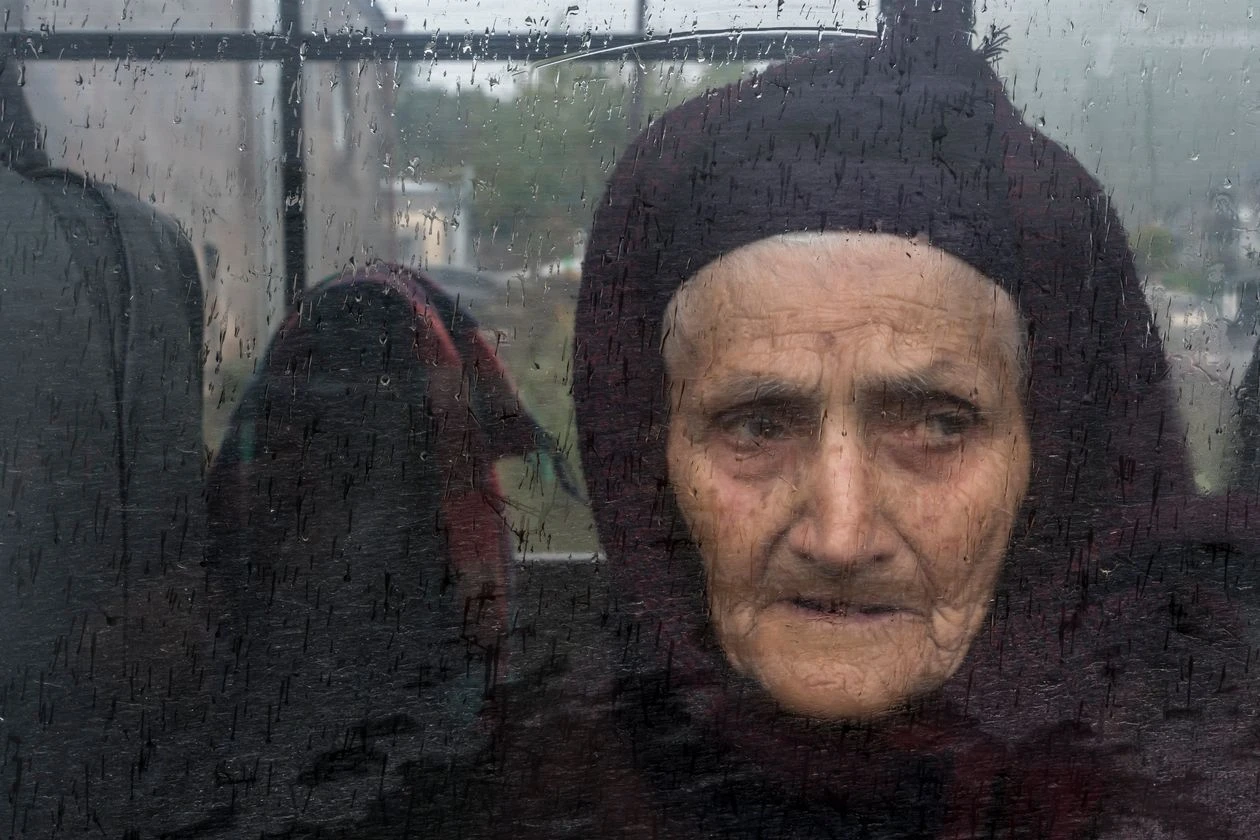
Vartanush Avagyan was 92 when photographer Brendan Hoffman caught her looking out of a bus window in Goris. It was November 2020, the final days of the second Karabakh war. Buses were carrying civilians out of Nagorno-Karabakh and into Armenia.
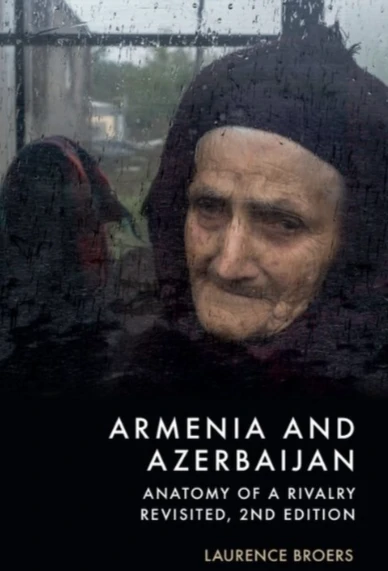
Six years later, her face is on the cover of a book.
British researcher Laurence Broers found the photograph on Getty Images and chose it for the cover of his forthcoming book, Armenia and Azerbaijan: Anatomy of a Rivalry Revisited, published by Edinburgh University Press. He did not know who the woman in the window was. He did not know whether she was still alive. He asked CivilNet to help find her.
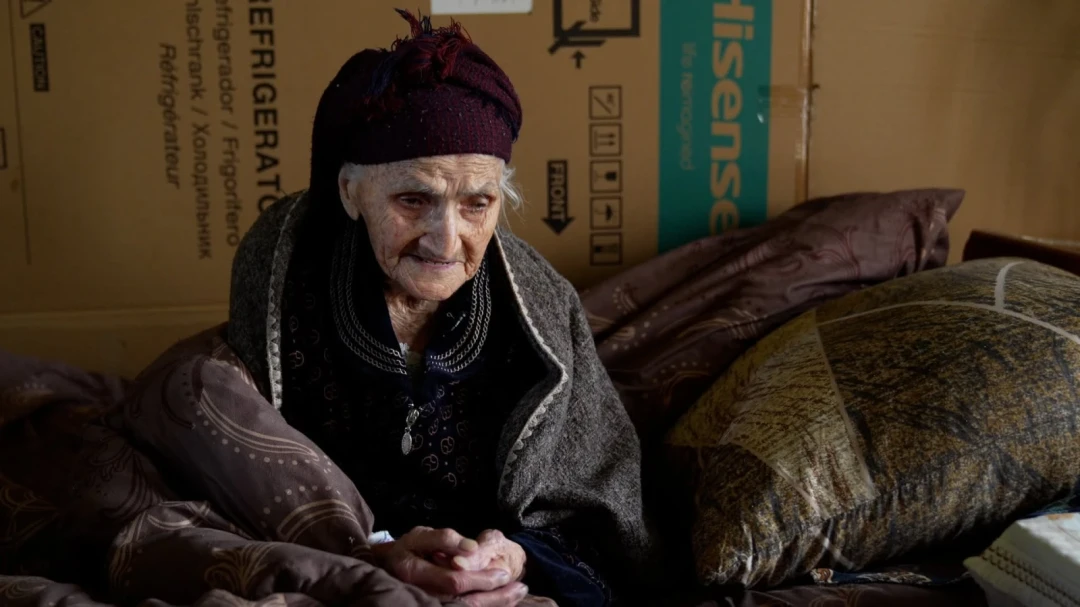
We found her in Khachpar, a village in the Masis area, near Yerevan. She is 98 now. She still talks about the mulberry tree at home in Vank, and the neighbors who gathered under it.
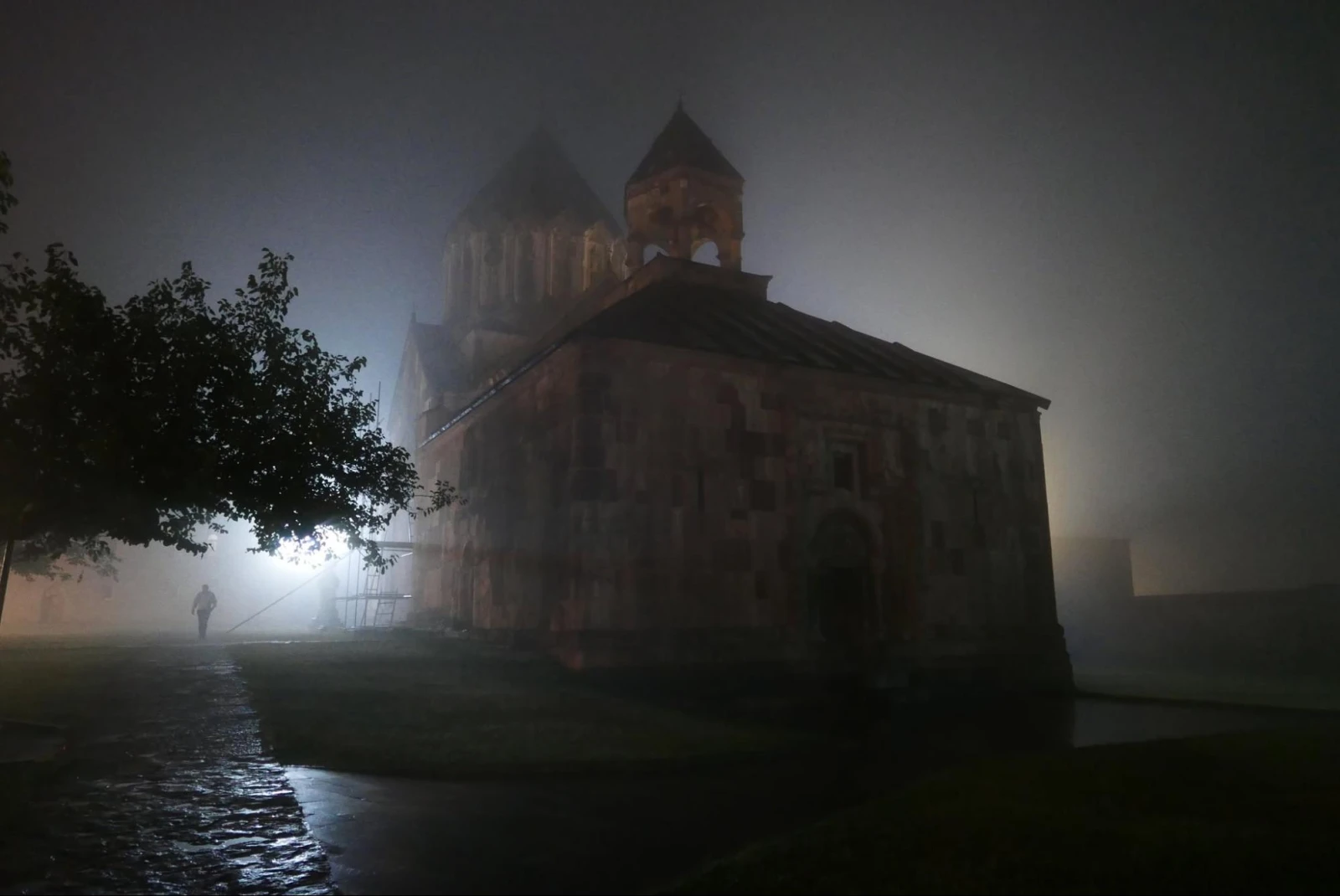
After the ceasefire in 2020, Vartanush and her family went home to Vank, the village known for the nearby Gandzasar monastery. The return did not last.
In December 2022, Azerbaijan blockaded Nagorno-Karabakh. About 10 months later, in late September 2023, an Azerbaijani military offensive was followed by the ethnic cleansing of more than 100,000 Karabakh Armenians. The entire population left for Armenia, many of them through Goris, the same town where Vartanush had looked out of the bus window three years earlier.
This time there was no going back. The family has settled in Khachpar, one of the villages around Masis that have taken in families from Karabakh.
"They drove us out in 2023," she says. "Since that day my legs have grown weak, and my eyesight is gone."
She left behind a house that was full.
But what she misses most is not the house. It is the people, the streets and a mulberry tree.
"I miss the neighbors from our village, I miss the streets, I miss my neighbors. I want to go and see them all," she says. "To go and sit under the mulberry tree, like always."
Under that tree, she would call the neighbors over for coffee, and they would bake bread together. "I would sit under the mulberry tree and invite them to come and drink coffee, and we would bake bread, with joy," she says. "Who would have thought it could happen, that such a day would come upon me?"
Some losses are smaller, and more practical. All her documents were in a bag at home in Vank. She did not take it with her.
"If I had taken that and brought it, it would have been good," she says. "How am I supposed to go now and get a new birth certificate, spend 50,000 [drams, about $130] just so they give me one?"
She does not complain for long. She would rather say thank you.
"Bless the people of Armenia, who took us in and looked after us, and those who send help," she says. "I'm content, I'm grateful. I'm grateful to everyone."
Then she says what she still wants. "Let there be peace in the country, and then I can die and be laid to rest in the earth."
Read other postcards:
Postcard from Masis: A life stitched back together
Postcard from Shirak: The last residents of a vanishing village

 Stories