By Siranush Adamyan
Naira Kamalyan has a way of measuring a mattress with her hand. Four fingers together, the thumb stretched out, each stitch must sit at the same distance from the next. Uneven work will not do.
“It’s a picture, not just a stitch,” she tells me.
I have come to Masis, a village near Yerevan, to meet the 71-year-old woman who washes, beats and stitches wool into quilts and mattresses. Naira is from Chartar in Nagorno-Karabakh’s Martuni district. I am from Karmir Shuka, another village in the same district. We are talking about the life she had made here, and the place we both come from keeps entering the conversation.
In September 2023, Azerbaijan’s military offensive was followed by the ethnic cleansing of more than 100,000 Karabakh Armenians, leaving the region entirely emptied of its Armenian population. Most have settled in Armenia. Masis town and the surrounding villages have become home to many of them.
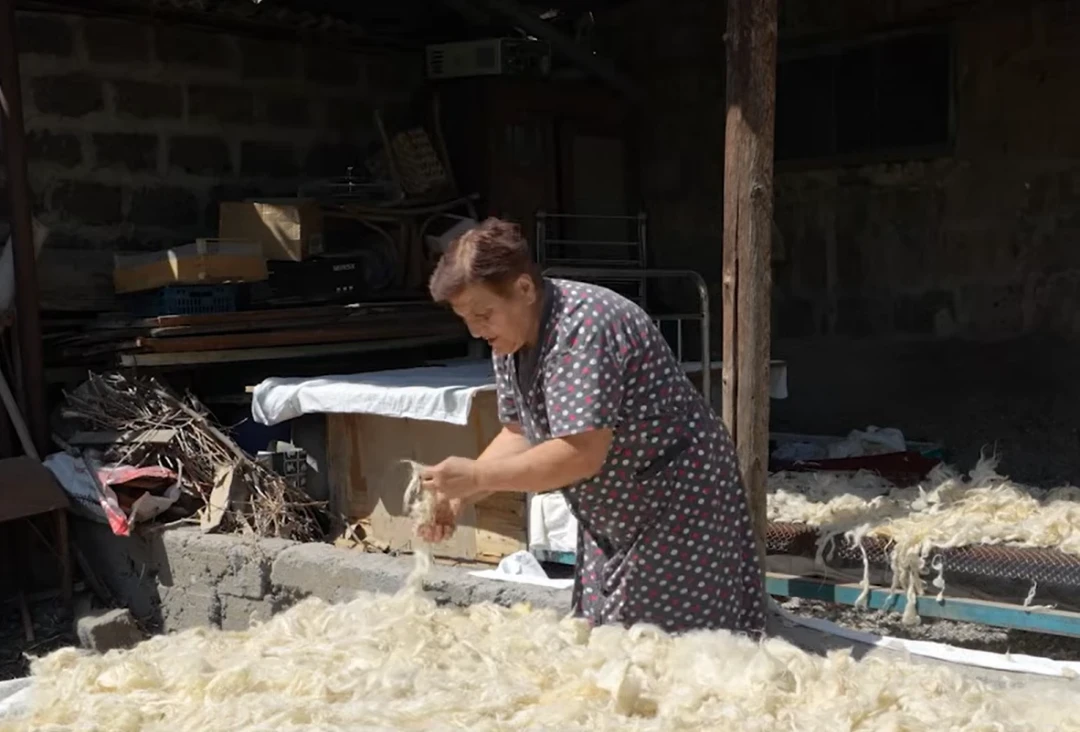
Naira arrived with the determination to work, but prospective employers noted her age.
“Everywhere I went, they said: ‘You’re over 70. We won’t give you a job,’” she recalls. “I told them: ‘I could carry whoever works there on my back and still do as much work as they do.’”
She turned to her vegetable garden. But gardening alone could not fill the day. When the sun became too hot and she went indoors, she felt trapped. At night, she could not sleep. She suggested buying 100 chickens, which could provide eggs to sell, birds to sell, and some to eat.
Then she and a friend met an older woman, a doctor, who had washed two quilts but could no longer manage the stitching. Naira offered to finish them. In return, the woman gave her a large wool mattress, weighing about 10 kilograms (22 lbs). Naira took it apart, washed the wool and made herself bedding.
That was how the work began again.
“I talk to the wool while I work,” she says. “I talk to the chicks, too.”
As she explains her craft, I get a lesson in everything that can go wrong. Wool needs sun. It needs washing and beating until the dirt is gone and the fibers are loose. If someone has packed it into a quilt without properly teasing it apart, the next person who washes it will struggle with the felted mass.
She spreads the washed wool on clean cloth, raised off the ground to keep out dust. With good sunshine, she says, it can dry in an hour or an hour and a half. Orders come in July and August, continuing into mid-September. After that, the weather becomes a problem as the wool absorbs moisture.
She learned the work young. Her mother lost her sight when Naira was 20; that was also the year she married. She took on bedding-related responsibilities for both households. Now she can wash and stitch a quilt and a mattress in a day. Properly cared for, she insists, wool bedding can last 50 years.
One customer’s bedding never made it home.
A man from Martuni in Karabakh was due to collect his quilt and mattress on September 19, 2023. The war began that day. Naira left his order behind, washed, finished and neatly stacked in her house.
Her grandson, Armen Azizyan, was fighting near Stepanakert, Karabakh’s capital. Armen was 19 during the fighting. Although health problems had taken him off combat duty the previous day, he volunteered to reinforce a position in the heights above the city.
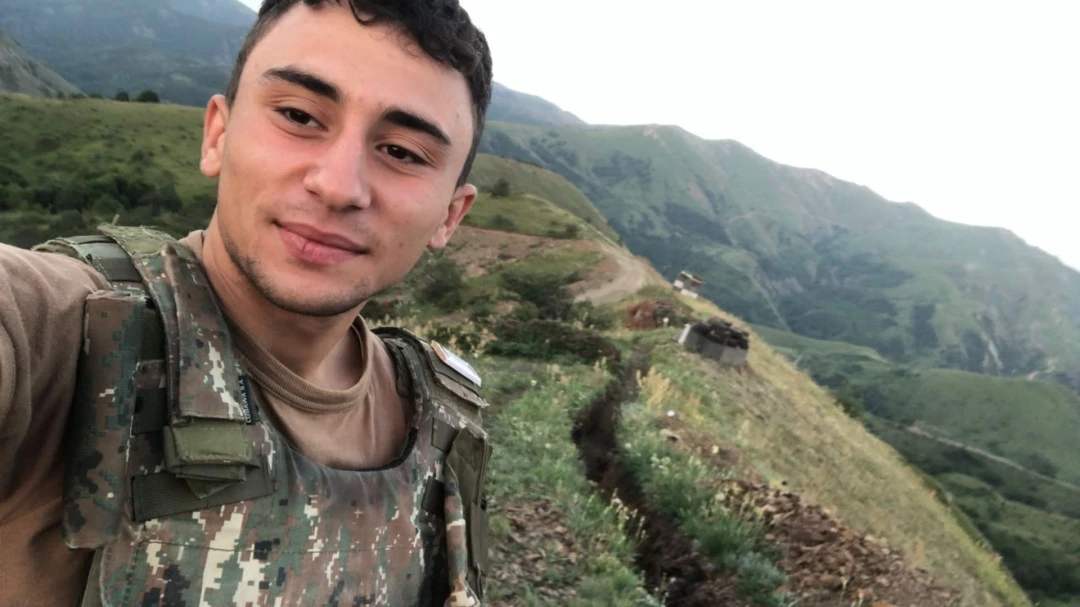
There he met a 50-year-old officer named Garik, his own father’s name. They promised each other that neither would leave the other behind if one was killed. Garik was shot and died in Armen’s arms. Armen helped the other soldiers carry his body out, keeping his promise. During the evacuation, a sniper’s bullet passed through Armen’s cheek. He had to undergo three operations.
Also read: The brief war of 2023 at Stepanakert’s Position 26: Armen Azizyan’s story (in Armenian)
Listening to Naira, I think of that unfinished collection of clean bedding waiting in one home while her grandson fought to bring someone out of another part of our homeland.
Here in Masis, she dates her work so customers with several mattresses can remember when each was last washed. She and another woman have completed 25 pieces in a month. There is still a practical question to settle, still another stitch to make.
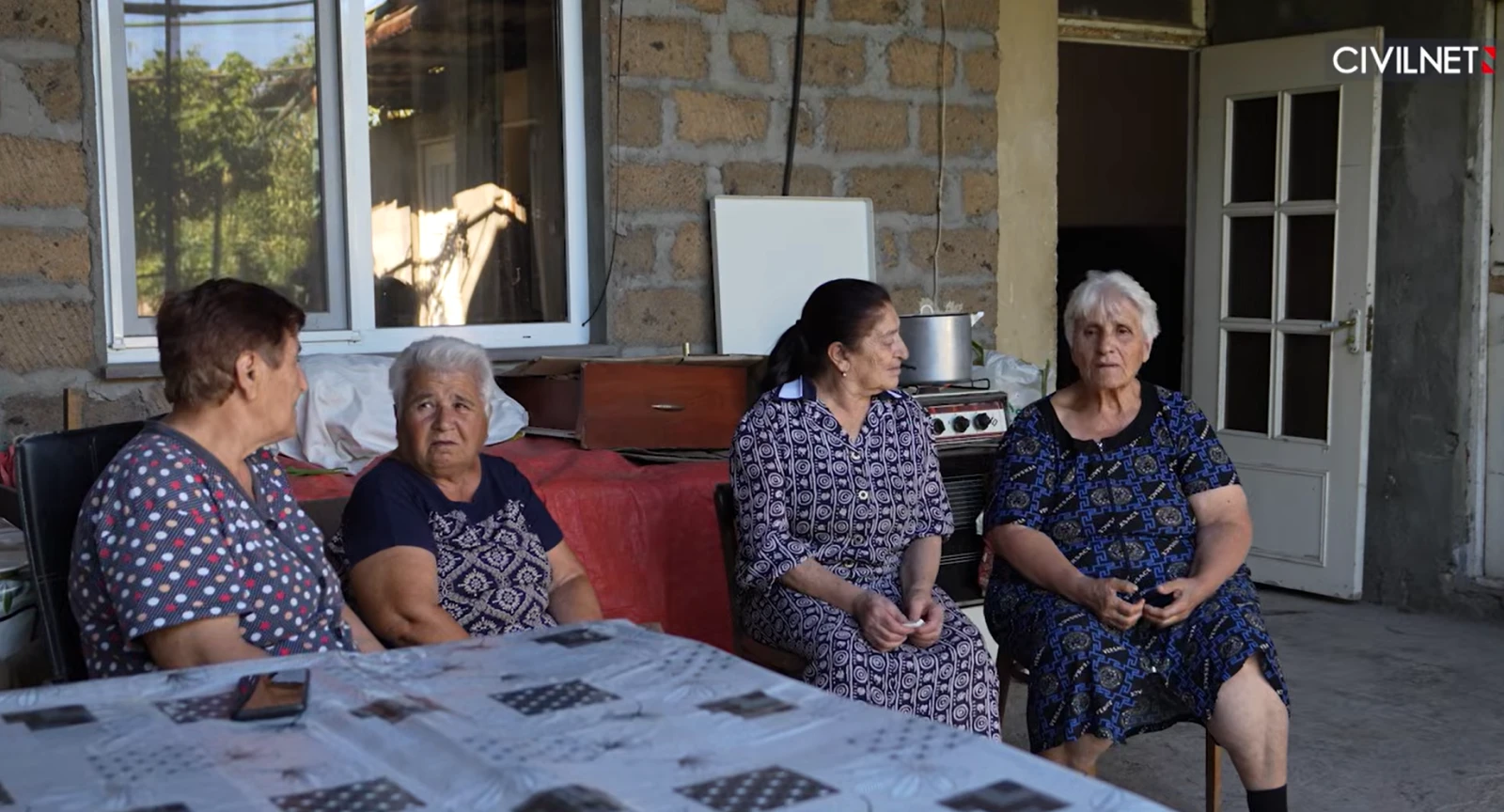
Three of her five children live nearby. Her new neighbors have also become family. Hranush is her “sister.” Vardush is both sister and friend. Silva and Silva’s daughter are her “oxygen.” Some of the locals call Naira their neighborhood chief.
Once, she telephoned her neighbors and told them to hurry over: she was ill, she was dying. Four arrived in alarm. Instead, they found a meal. Naira had harvested her garden and made ajapsandal, a vegetable stew, tomato-and-cucumber salad and a bean dish. The emergency was a harvest celebration.
“I’ve come to love Masis, too,” she tells me.
She wants peace and good fortune for the people around her. Life is short, she says; why spend any of it hurting one another?
Relatives and friends from Martuni and Stepanakert ask how she is managing. Her answer has become so familiar that they have turned it into a nickname.
“I’m doing all right,” she tells them. “As long as there is peace, I’m doing all right.”




 Stories