 Civilnet
By Ani Paitjan
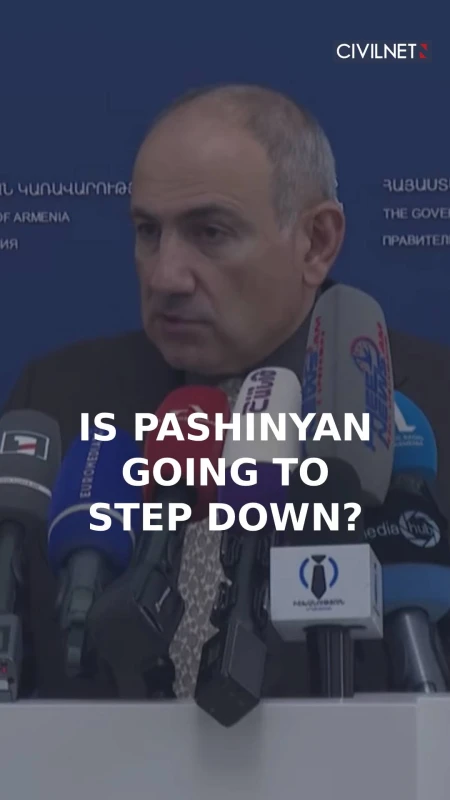
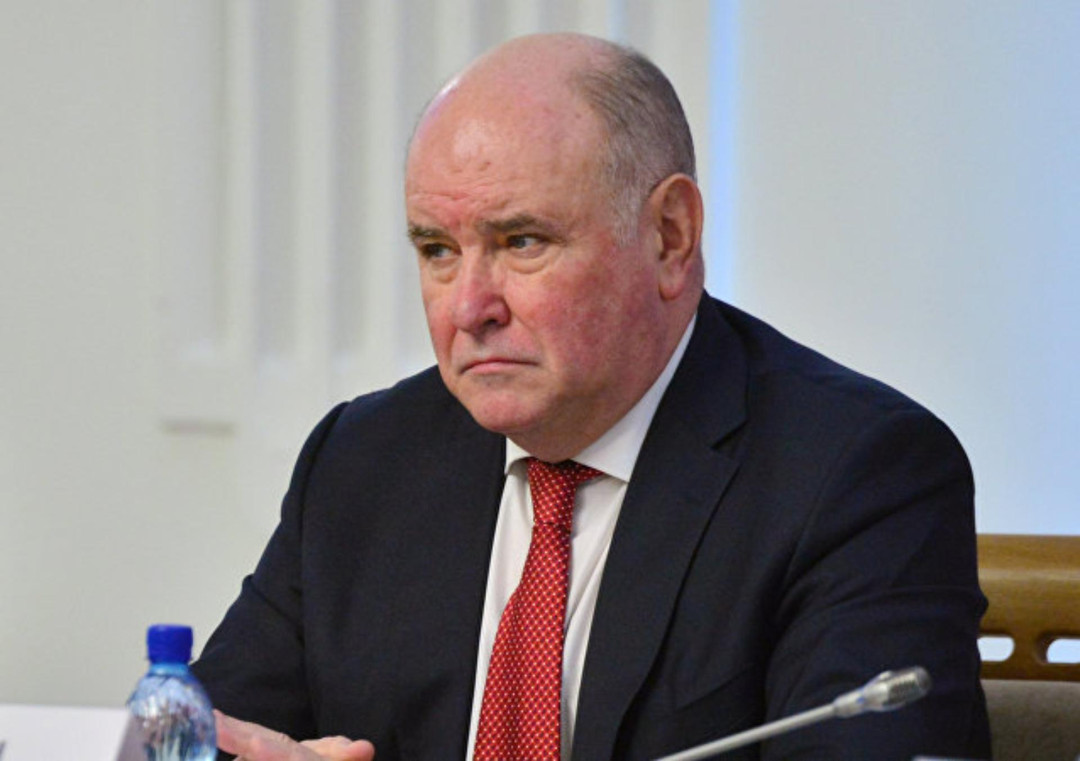
During a press briefing on December 19, Acting Prime Minister Nikol Pashinyan responded to remarks by State Secretary, Deputy Foreign Minister of Russia Grigory Karasin, who said he hoped that the new Armenian authorities will “find courage to resist the blackmail and pressure of the United States.”
“I will definitely use this occasion to clarify with our Russian partners the context of their information. Armenia implements its independent policy and will continue to do so,” said Pashinyan.
Grigory Karasin said that he hopes that the new leadership of Armenia will have the courage to resist the “pressure and will defend its sovereign right to independently make decisions based on national interests.”
Karasin’s statement referred to the visit by US National Security Adviser John Bolton to Azerbaijan, Georgia, and Armenia this past October. During his visit, Bolton said that normalizing relations with Azerbaijan and Turkey would enable Armenia to break “historical patterns” that have shaped its traditional foreign policy.
During his regional tour, Bolton hinted that Washington is ready to sell weapons to Armenia in order to balance Russia's sale of weapons to Armenia.
Pashinyan did not rule out purchasing weapons from the US. “If we get a favorable offer from the United States, we will discuss it,” he noted.
Bolton also stated that President Donald Trump’s administration will “squeeze Iran” with economic pressure in response to Tehran’s “malign” behavior in the Middle East and around the world.
However, Nikol Pashinyan has repeatedly said that despite American sanctions towards Iran, Armenia will keep its close relationship with the neighbouring country.
In response to Karasin’s charges, Armenian Foreign Ministry Spokesperson Anna Naghdalyan said in a conversation with Russia’s Ria Novosti that Armenia’s government has repeatedly stressed that “It is consistently building its relations with other countries on the principle of of sovereignty and equality. This position will be the basis of our foreign policy."

 Stories