By Siranush Adamyan
Six United Nations human rights experts have questioned Armenia's use of terrorism charges against Archbishop Bagrat Galstanyan and members of the opposition Holy Struggle movement, raising concerns that the case may involve the misuse of counterterrorism legislation and restrictions on fundamental rights. The Armenian government has rejected those concerns, insisting that the investigation is based on evidence of preparations for violent acts and an attempted seizure of power.
The exchange became public after the UN released official correspondence between Armenia and six mandate holders of the UN Human Rights Council's Special Procedures. The documents include a May 11 communication from the UN experts outlining their concerns and a 31-page response submitted by Armenia's Permanent Mission in Geneva on July 9.
The experts said information they had received raised concerns over the proportionality of the Armenian authorities' actions and their compatibility with the country's international human rights obligations.
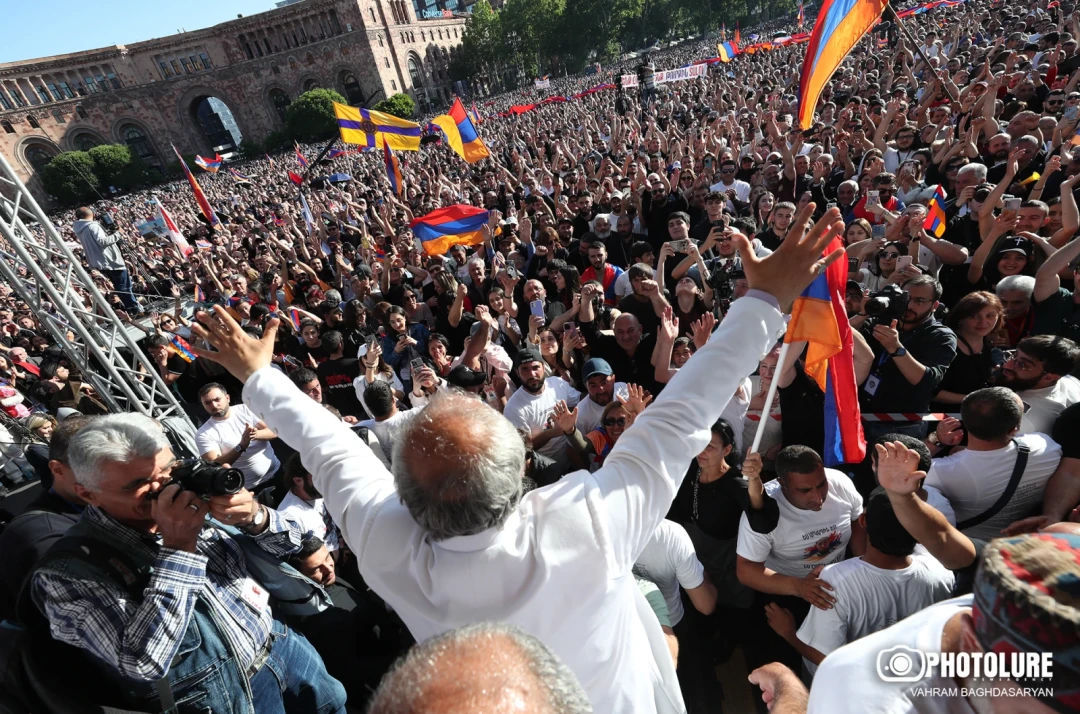
They questioned both the police response to anti-government demonstrations in June 2024 and the criminal case launched a year later against Galstanyan and 17 supporters, who were accused of preparing terrorist acts and attempting to seize power. According to the communication, much of the evidence described to the UN concerns political opposition, civil disobedience and protest activities rather than clear indications of violence or terrorism.
The experts also cited allegations that investigators selectively published intercepted conversations while preventing defense lawyers from releasing material they considered exculpatory. Although stressing that they were not prejudging the accuracy of the allegations, the experts said that, if confirmed, they could amount to violations of Armenia's obligations under international human rights law.
The communication asks Armenia to answer eight questions covering the legal basis for the terrorism charges, the proportionality of detention and travel restrictions, the use of force against protesters, fair trial guarantees, and measures to ensure that peaceful assembly, freedom of expression and political participation are not criminalized.
Armenia rejects the criticism
In its response, the Armenian government rejected the experts' concerns.
It argued that the June 12, 2024 events were not entirely peaceful demonstrations but included elements of mass disorder, attacks on police officers and an attempt to breach the National Assembly's protected perimeter. According to the government, the force used by police was lawful, necessary and proportionate, while the investigation into police conduct remains ongoing.
The government also denied that the criminal proceedings were politically or religiously motivated, saying investigators obtained evidence through covert investigative measures and wiretaps that, in the authorities' assessment, pointed to preparations for terrorism and the violent seizure of power.
It said courts imposed preventive measures based on individual risk assessments and that some restrictions were later eased as those risks diminished.
From border protests to terrorism charges
The Holy Struggle movement emerged in the spring of 2024 in opposition to Armenia's border delimitation process with Azerbaijan. Led by Archbishop Bagrat Galstanyan of the Armenian Apostolic Church's Tavush Diocese, the movement initially sought to halt the border agreement before expanding its demands to include Prime Minister Nikol Pashinyan's resignation. Mass protests gradually subsided after clashes between demonstrators and police outside parliament in June 2024.
In June 2025, Armenian authorities launched criminal proceedings against Galstanyan and other movement leaders. Galstanyan was detained and a total of 18 people were charged with preparing terrorism and attempting to seize power. Prosecutors say intercepted communications and other operational evidence revealed preparations for violent actions, while defense lawyers dispute that interpretation, arguing the material relates primarily to discussions of protests, civil disobedience and political activity.
The case has unfolded amid broader tensions between the Armenian government and the Armenian Apostolic Church, with government officials openly criticizing the church leadership and several senior clerics facing criminal investigations. The UN experts said they were examining whether counterterrorism measures were being used to suppress political and religious dissent.

 Stories